
Last updated November 25, 2026
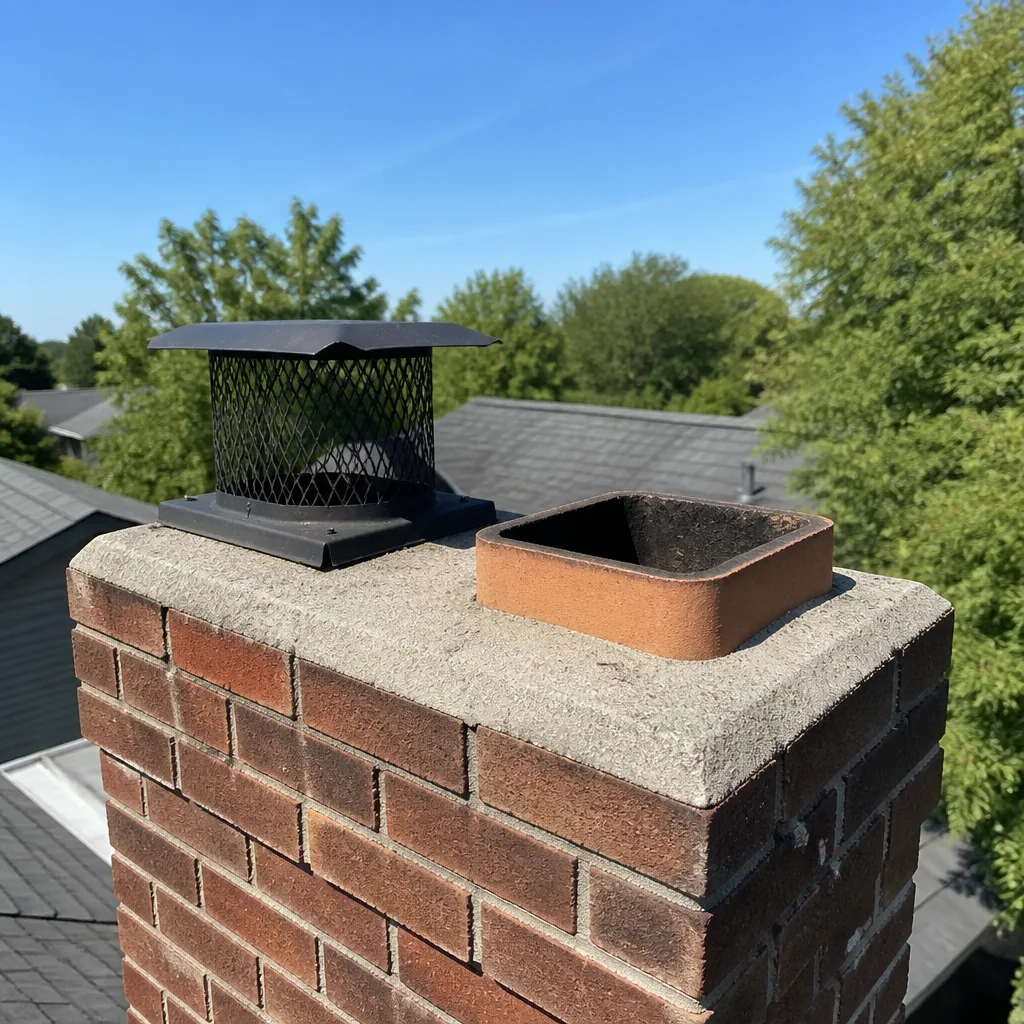 Sweep & inspection
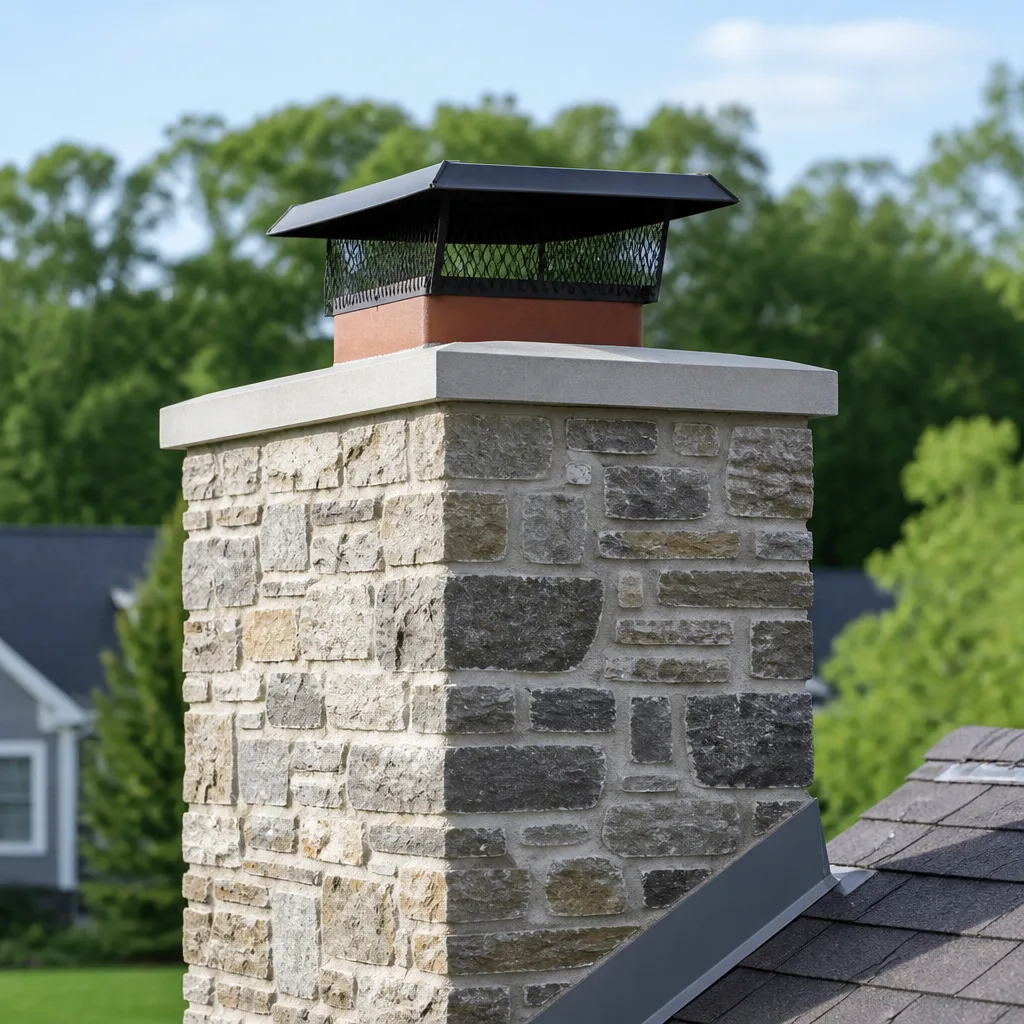 Caps & crowns
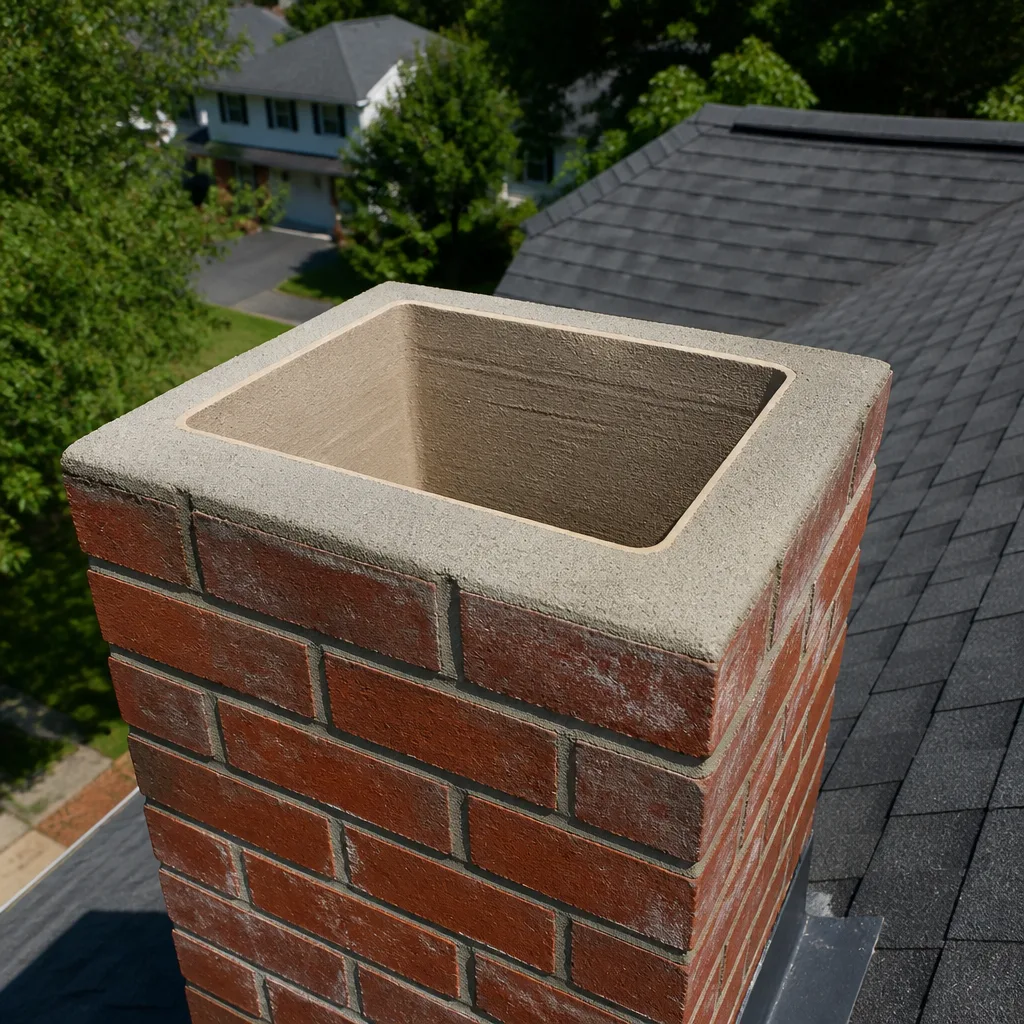 Flue relining
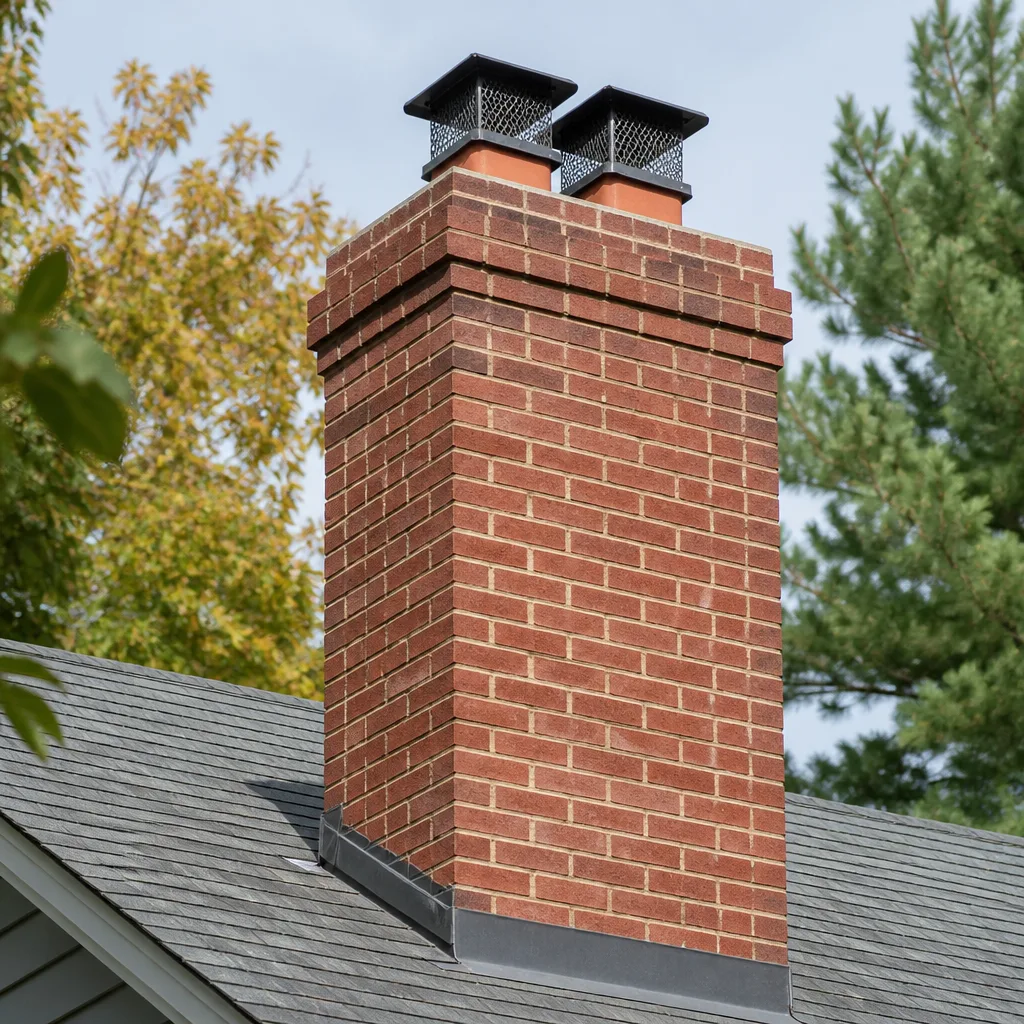 Masonry repair
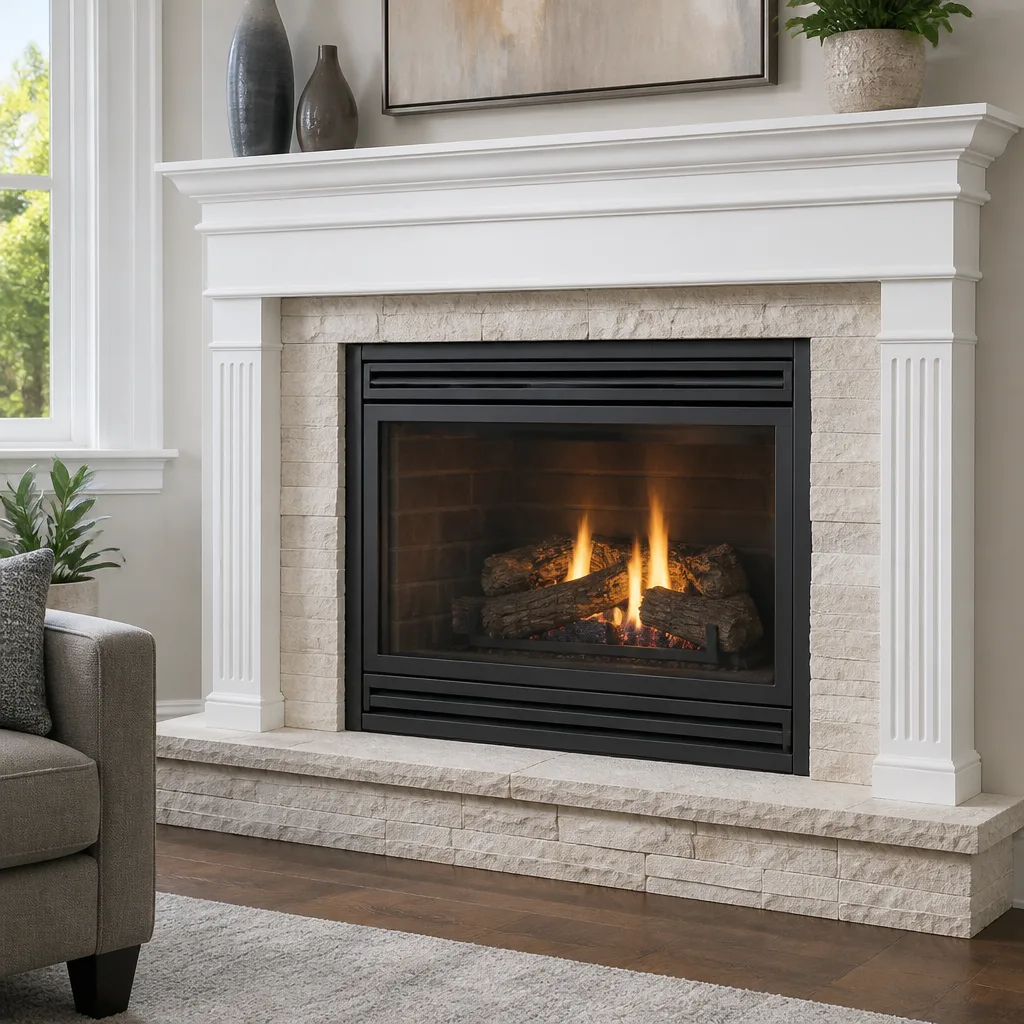 Gas fireplace service
Level 1 sweep and inspection to the NFPA 211 annual standard - flue, crown, cap, and flashing checked and photographed
Chimney sweep logs do not sweep chimneys. They loosen some creosote - which then falls where a brush and vacuum still have to collect it.
DIY vs Professional Chimney Cleaning: The New Dorp Homeowner’s Decision Guide
Most chimney cleaning advice online assumes every flue is the same, and that’s where it goes wrong. A brush kit from a home improvement store can genuinely clean a light creosote deposit out of a straight, accessible flue. It cannot chemically break down glazed stage 2 creosote, tell you whether your liner has cracked, or reveal that your cap stopped sealing water out two winters ago. The honest dividing line in New Dorp isn’t DIY versus professional in the abstract, it’s whether your chimney is still in the narrow window where brushing alone is the right tool. This guide gives you a clear way to figure out which category you’re actually in, what a brush can and can’t show you, and where the real safety risks hide.
Quick Answer
DIY chimney brushing is genuinely appropriate only for a straight, accessible flue burning seasoned wood with a light dusting of stage 1 creosote and a professional inspection on record from the past year. For anything past that point – glazed creosote, an offset flue, two or more years since service, or a chimney with no inspection history – a professional sweep and inspection is the correct call because the risks are the ones you can’t see from the firebox.
Styles & brands we work with
- Sweep & inspection
- Caps & crowns
- Flue relining
- Masonry repair
- Gas fireplace service
Table of Contents
- When DIY chimney cleaning is genuinely appropriate
- What DIY cleaning cannot reveal about your chimney
- Consumer brush vs. professional rotary system: the mechanical difference
- The liability and insurance side of DIY cleaning
- Creosote stages and why they decide the answer
- A yes/no decision framework for New Dorp homeowners
- What a professional sweep in New Dorp actually covers
- Common mistakes to avoid
- When to call a professional
- Frequently asked questions
When DIY chimney cleaning is genuinely appropriate
The DIY option is real, but it’s narrow. If you want a fair description of the conditions where brushing it yourself is a reasonable choice, this is the list. If your chimney doesn’t match every one of these, the answer is professional.
- Flue type: a straight vertical flue with no offsets, no elbows, and easy access from the firebox or a rooftop cleanout. A straight flue is the only layout where a consumer brush reliably reaches the full wall surface in one continuous pass.
- Fuel type: seasoned, dry firewood only. A chimney burning green wood, softwood scrap, or trash collects sticky deposits fast, and that changes the creosote picture within a single season.
- Cleaning frequency: swept once a year, on schedule, with no seasons skipped. A chimney that has been maintained on rhythm is far more likely to hold only light, brushable deposits.
- Creosote stage: stage 1 only – a dry, flaky, dusty soot that crumbles when you touch it. Stage 2 is glazed and tar-like. Stage 3 is a hardened, puffy crust that has baked onto the flue walls.
- Inspection history: a professional inspection on record within the past twelve months that confirms the liner, cap, and crown are sound.
- Usage level: a fireplace used as a secondary heat source or for occasional fires, not as the primary system heating the house through a New Dorp winter.
Why this window is tighter than it sounds
In our experience, the homeowners asking about DIY brushing usually fall just outside this list. The chimney has gone two, three, or more seasons without service. The firewood is whatever was available. The last inspection – if there was one – predates a move-in or a renovation. None of that means the chimney is unsafe, but it does mean the brushing job alone can’t establish that it’s safe. Cleaning a chimney and knowing a chimney is safe are different outcomes, and only one of them happens with a brush kit.
If your chimney fits this list exactly and you’re willing to do the real labor of a proper sweep, running a brush yourself will get the surface deposit off. If your chimney has drifted past this list, brushing the visible soot can actually make things worse by masking a problem the fire can still reach. The next section explains why.
What DIY cleaning cannot reveal about your chimney
Cleaning is a mechanical act. Diagnosis is a separate skill, and a brush kit doesn’t come with one. Here’s what a homeowner brushing with a consumer kit cannot see, and which of those invisible problems are the ones that actually threaten the house.
- Liner cracks and gaps. A cracked clay tile or a compromised stainless liner lets exhaust and embers reach the framing around the chimney. This is the highest-consequence failure on the list, and a brush gliding past smooth interior walls tells you nothing about it.
- Offset obstructions. Creosote, bird nests, and debris collect at flue offsets, the angled sections where the path shifts. A straight brush passes the offset and misses the deposit sitting in the pocket. Offset flues are exactly where a rigid liner or an aggressive rotary cleaning needs to be spec’d carefully.
- Failed crown sealant. The crown at the top of the chimney sheds water. When the sealant cracks, water runs into the masonry and the liner. You can’t inspect a crown from inside the firebox.
- Negative pressure conditions. A house running exhaust fans, a tight envelope, or a chimney that’s undersized for the firebox can pull smoke back into the room rather than up the flue. Nobody diagnoses pressure from the hearth.
- Creosote stage. You can see buildup, but telling stage 1 from early stage 2 by eye at the bottom of a flue isn’t reliable. Stage 2 doesn’t brush off – it needs a chemical agent or mechanical rotary cleaning to break it down.
The safety risks are the invisible ones
Chimney fires start when sufficient creosote ignites, and glazed stage 2 and stage 3 creosote is the most dangerous fuel. Carbon monoxide exposure happens when a compromised liner or a blocked flue lets exhaust into the living space instead of out the top. Both failures live in the parts of the chimney you can’t inspect without a camera and a trained eye. That’s the reason a professional sweep in New Dorp starts with a diagnostic inspection and not with the brush. We inspect before we recommend, because the recommendation depends entirely on what’s there.
Consumer brush vs. professional rotary system: the mechanical difference
Here’s the part most DIY guides skip. A consumer chimney brush kit and a professional rotary cleaning system are not performing the same mechanical action, and the gap matters when deposits are heavy or irregular.
How a consumer brush works
A retail kit gives you a stiff poly or wire brush on flexible rods, run up and down the flue by hand. That action is a scraping and brushing motion. It works well on a straight flue with a light, dry deposit because the brush contacts the walls in a consistent scuff. But on heavy, glazed, or irregular deposits, a hand-driven brush skates across the surface instead of cutting into it. The deposit stays, and the homeowner thinks the job is done because the visible soot is gone from the firebox.
How a professional rotary system works
A professional setup uses a motorized rod and spinning whip or brush head that contacts the flue walls at speed. The rotary action cuts into the deposit rather than sliding over it, and the technician adjusts the head for the flue size and material – soft whip heads for a stainless liner, stiffer heads for masonry. It’s a different tool for a different job, and it’s the only way to remove glazed creosote without damaging the liner underneath.
Where the gap gets you
- Heavy stage 2 or stage 3 deposits. A hand brush won’t break these down. A rotary system with chemical treatment will.
- Offset flues. The brushing head needs to negotiate the angle without snagging or missing the pocket. Rotary rods flex through the offset; consumer rods tend to bind.
- Liner integrity. Rotary cleaning is adjusted to the liner material so it doesn’t score a stainless wall. A homeowner can’t make that adjustment without the skill to match the head to the liner.
- Camera verification. A professional sweep finishes with a camera inspection to confirm the flue is actually clear. The brush kit has no way to prove the job.
The materials matter here too. When a professional sweep finds a problem that needs a part – a cap, a crown component, a liner section – the right part from a purpose-built supply line is not the same as whatever the hardware store had in stock. We work with brands like Famco and Copperfield for caps and components, Gelco and Olympia Chimney for liners and access parts, and DuraFlex for flexible liner systems when the flue path makes a rigid liner a poor fit. Contractor-grade parts, not hardware-store substitutes, is the standard we hold a professional sweep to.
The liability and insurance side of DIY cleaning
The safety question is the one that matters most, but there’s a second, quieter reason to have a professional sweep on record: documentation. If a chimney fire or a carbon monoxide incident ever brings an insurance claim, the question the adjuster asks is not whether you swept the chimney – it’s whether you can prove a qualified professional inspected and serviced it.
A DIY log doesn’t satisfy that requirement in the way a written inspection report does. Many homeowner policies ask for documented professional inspection before they’ll honor a chimney-related claim, and a report with a date, a technician, and the condition of the liner, cap, and crown is what an insurer accepts. Handwritten notes about brushing don’t carry the same weight because they can’t establish the flue was in sound condition when the chimney was last serviced.
What a professional report gives you
- A dated record of the inspection and the flue condition at that time.
- A documented finding of any liner, cap, or crown defect, with photos of what was found.
- Evidence that a qualified technician assessed the chimney, not just that someone cleaned it.
- A written basis for any repair recommendation, so you can decide what to do with the information.
This is one of those areas where the cost of a professional sweep is easier to justify than it looks. A sweep is a booked, priced job and the estimate is free, so you know what you’re agreeing to before anyone starts. The documentation is part of what you’re paying for, and it’s the part a brush kit can’t produce.
Creosote stages and why they decide the answer
Creosote is the residue left behind when wood smoke cools on its way up the flue, and it comes in three forms. The stage your chimney is in is the single biggest factor in whether DIY brushing is the right tool or the wrong one.
Stage 1: soot and dry flakes
This is the light, dusty, flaky deposit that a brush handles well. It’s what you see in a chimney that’s swept regularly and burns seasoned wood with a hot fire. Stage 1 is the only stage where a consumer brush kit is genuinely doing the right job. If this is your chimney, DIY brushing won’t hurt anything – assuming the liner and cap are in good shape, which the inspection has to confirm.
Stage 2: glazed, tar-like creosote
Stage 2 is dense, shiny, and sticky, and it forms when smoke cools too quickly – from green wood, cool burns, or a flue that runs below the temperature the smoke needs. A brush glides over stage 2 without removing it. Breaking it down takes a chemical treatment or a rotary cleaning, and the deposit itself is the fuel for a chimney fire. This is the point where DIY brushing gives a homeowner false confidence, because the visible soot comes off and the dangerous layer stays.
Stage 3: hardened, puffy crust
Stage 3 is a baked-on crust that has been through multiple fires. It’s the hardest deposit to remove and the most dangerous to leave, and it often signals that the flue has been running under temperature for a long time. Stage 3 needs professional rotary cleaning and, if the liner is damaged underneath, potentially relining. This is not a brush kit situation by any measure.
The New Dorp factor
New Dorp homes burn through cold winters, and a fireplace used as a secondary heat source sees a lot of fire time. That usage, combined with firewood that hasn’t fully seasoned, is exactly what pushes a chimney from stage 1 into stage 2 over a couple of seasons. A chimney that’s two or more years past its last professional service in New Dorp is likely to hold some stage 2 deposit, and the brush kit can’t tell you it’s there.
A yes/no decision framework for New Dorp homeowners
Answer these questions honestly. A single “no” routes you to a professional sweep, and the more “no” answers you get, the more certain that is.
- Has your chimney had a professional inspection in the past twelve months? If no, DIY cleaning is off the table until it has. The inspection establishes that there’s nothing hidden to worry about.
- Is your flue straight, with no offsets or elbows? If no, the brush won’t reliably reach the pocketed deposits at the offset. Route to professional.
- Do you burn only seasoned, dry firewood? If no, the deposit is more likely to be stage 2, and a brush won’t remove it. Route to professional.
- Have you swept once a year without missing a season? If no, the deposit has had time to harden. Route to professional.
- Is your fireplace a secondary heat source, not the primary heat? If no, the heavier usage means the chimney needs a closer look at least once a year. Route to professional.
- Is your cap and crown in good shape, with no obvious water staining inside the firebox? If no, that’s a crown or cap problem the brush can’t fix. Route to professional.
- Does the deposit look like dry, flaky soot when you look up the flue? If no, it’s likely stage 2 or heavier, and you need a rotary clean with a chemical treatment. Route to professional.
If you answered yes to all seven, a DIY sweep this season is a reasonable call, assuming you’re willing to do the work with the right brush and safety gear. If any answer was a no, book a professional sweep. That’s not an upsell – it’s the only route that answers the safety question the brush can’t.
What a professional sweep in New Dorp actually covers
When you book a professional sweep, you’re buying a diagnostic visit, not just a brushing. Here’s what that typically includes, and why each step exists.
- A Level I or Level II inspection. Level I covers the visible portions of the chimney and firebox. Level II adds a video camera inspection of the flue and is the right level when there’s a change of occupancy, a roof-level issue, or a chimney that’s overdue.
- Rotary cleaning matched to the liner. The brush head is chosen for your flue material, and deposits are removed without damaging the liner underneath. Glazed creosote may need a chemical treatment first.
- Camera verification and a photo report. You see what the technician saw. This is the difference between “we cleaned it” and “here’s proof it’s clear.”
- A written condition report on the liner, cap, and crown. Anything found is documented, with a recommendation for the next step if one is needed. We tell you when work can wait, too – not every finding needs immediate attention.
- Cap and crown assessment. A failing cap or crown is a water problem, and water is the slow killer of masonry chimneys. We spec a replacement from a purpose-built line – Famco and Copperfield caps are what we fit – not a generic substitute. The right cap for your flue is a size and fit question, not a pick-whatever’s-on-the-shelf question.
- Access to a full continuum of repair. If the sweep turns up a liner issue, a cracked crown, or fireplace damage, the same specialist team handles the repair. From the first sweep to full liner replacement, one call covers the whole chimney, so findings from the inspection are addressed by the technicians who identified them.
For a chimney that needs more than a sweep, we work with HeatShield, a resurfacing system that can restore a damaged flue in some cases rather than requiring a full reline, and with DuraFlex for flexible liner installation where the flue path is complex. Both are trade-level systems that require proper measurement and installation protocol, and both are the kind of capability a generalist handyman sweep company can’t offer.
Common mistakes to avoid
- Brushing a chimney that’s overdue for inspection. If your last professional service was two or more years ago, brushing first and asking later puts the cart before the horse. The inspection decides what the cleaning needs to be.
- Assuming a clear firebox means a clean flue. Visible soot in the firebox tells you nothing about the flue walls. A rotary clean with a camera check is the only way to know the flue is actually clear.
- Buying a brush kit without checking the liner material. A wire brush can score a stainless liner. If you’re brushing at all, the brush head has to match the liner, and most homeowners don’t know what their liner is made of.
- Ignoring water staining in the firebox. Water stains point to a failed crown, a missing cap, or a flashing leak. That’s a repair problem, not a cleaning problem, and it gets worse every season it sits.
- Burning green or unseasoned wood to “save money.” Green wood cools the smoke before it leaves the flue, and that’s the recipe for stage 2 creosote. The savings on wood show up as a much bigger bill later.
- Treating the DIY log as insurance documentation. A handwritten note doesn’t establish a qualified inspection for a claim. A written professional report does.
- Skipping the sweep because the fire “still burns fine.” A chimney can be badly fouled and still draw. The fire burning well isn’t evidence the flue is safe – it’s evidence the draft works, which is a different thing.
When to call a professional
Call a professional sweep if any of these describe your chimney: it’s been two or more years since the last professional service, you’ve had a chimney fire (even a small one you put out yourself), the deposit looks shiny or tar-like, the flue has an offset, the cap is missing or damaged, you see water staining in the firebox, or your insurer is asking for documentation before a claim. Also call if you’re not sure – a diagnostic sweep answers the question, and the written report tells you what, if anything, actually needs work. We inspect before we recommend, and we’ll say when a repair can wait.
For a professional chimney sweep in New Dorp, the estimate is free and the price is set by a written estimate before any work starts. If the sweep turns up fireplace damage, our fireplace repair service covers the firebox and hearth side, and if the cap or crown is failing, our chimney cap & crown work specs the right component from the correct supply line. Chimney Sweep New Dorp offers free estimates in New Dorp – call (855) 726-7829.
Frequently asked questions
You can, if your chimney is in the narrow window where DIY brushing is appropriate: a straight, accessible flue, seasoned wood only, a light stage 1 soot deposit, a sweep every year, and a professional inspection on record from the past twelve months. If any of those is missing, a professional sweep is the correct choice because the risks are the parts you can’t see. Call (855) 726-7829 for an exact quote – estimates are free.
Once a year for a fireplace used regularly, and more often if you burn heavily or use the fireplace as a primary heat source through the winter. The annual sweep is also the annual inspection, so it doubles as a check on the liner, cap, and crown. If it’s been two or more seasons since your last service, book a sweep now rather than brushing it yourself. Call (855) 726-7829 for an exact quote – estimates are free.
A sweep is priced per job, and the estimate is free and written, so you know the number before anyone starts. The price depends on the flue type, the deposit level, and whether a Level I or Level II inspection is needed. We don’t quote a flat figure without seeing the chimney, because the honest answer depends on what’s there. Call (855) 726-7829 for an exact quote – estimates are free.
Creosote builds up on the flue walls, and the heavier the deposit, the greater the chance of a chimney fire and the harder the deposit is to remove. A blocked or cracked flue can also let carbon monoxide into the living space. Skipping a year isn’t automatically dangerous, but two or more skipped seasons is where a light brushable deposit becomes a glazed one. Call (855) 726-7829 for an exact quote – estimates are free.
Usually no. A DIY log doesn’t establish that a qualified technician inspected the chimney, and many policies ask for documented professional inspection before honoring a chimney-related claim. A written report from a professional sweep – dated, with the liner and cap condition noted – is what an insurer accepts. If your policy is asking, book the sweep and get the report. Call (855) 726-7829 for an exact quote – estimates are free.
Stage 2 creosote looks shiny, glazed, and tar-like rather than dry and flaky, and it doesn’t brush off the flue walls. You often can’t see it clearly from the firebox, which is why the determination is made during a professional inspection with a camera. If it’s stage 2 or heavier, it needs a rotary clean or chemical treatment, not a consumer brush. Call (855) 726-7829 for an exact quote – estimates are free.
The Bottom Line
DIY chimney brushing is a real option, but only for a narrow set of conditions: a straight, accessible flue, seasoned wood, a light stage 1 deposit, an annual sweep on schedule, and a recent professional inspection. Outside that window – and in our experience most homeowners asking about DIY are outside it – a professional sweep is the right call, because the risks worth worrying about are the liner cracks, offset obstructions, and failing crowns that a brush can’t reveal. A professional sweep also gives you a written report that carries weight with an insurer. If you’re in New Dorp and not sure which category your chimney falls into, the free estimate settles it. Call (855) 726-7829. We answer 24/7. Fast dispatch from 7am to 7pm, Sunday through Friday. Or start with the main Chimney Sweep New Dorp page to see the full scope of what we handle.
Written by the team at Chimney Sweep New Dorp.
See the difference
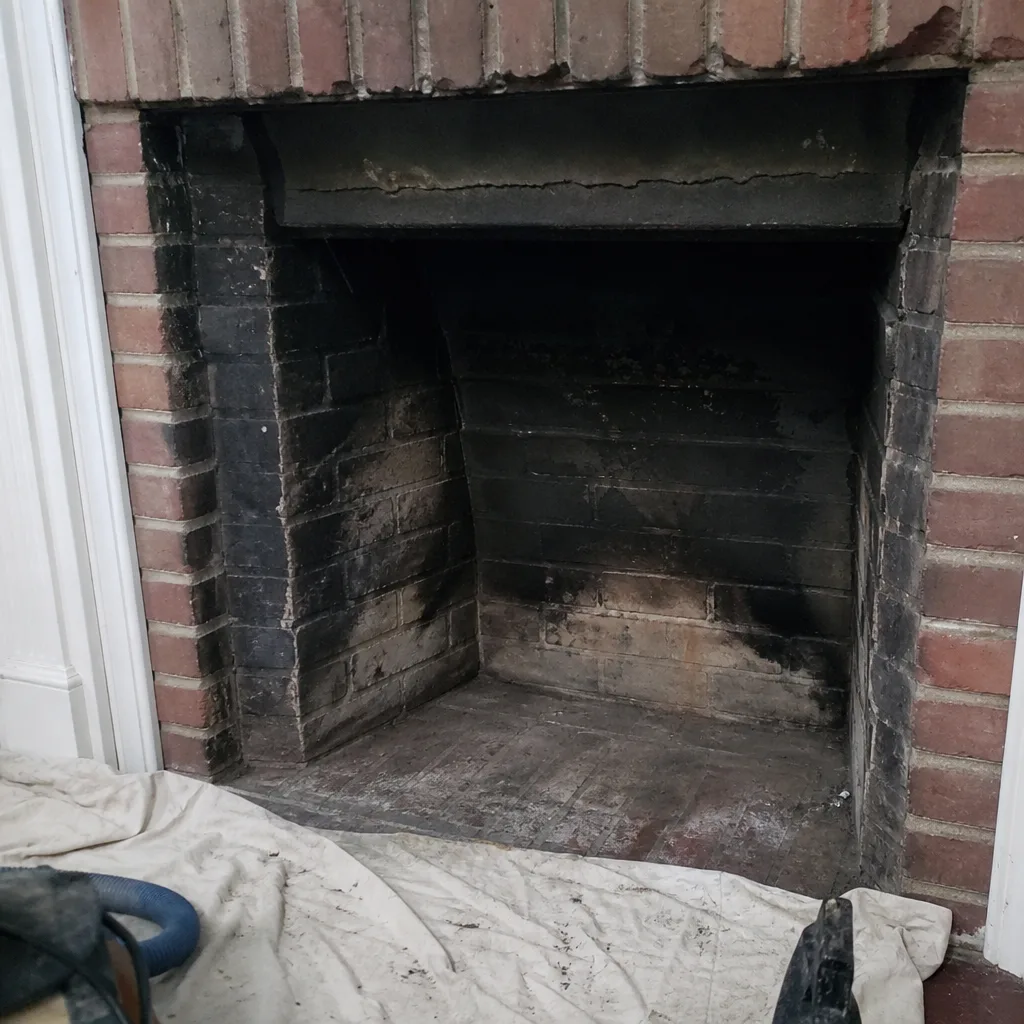 Before
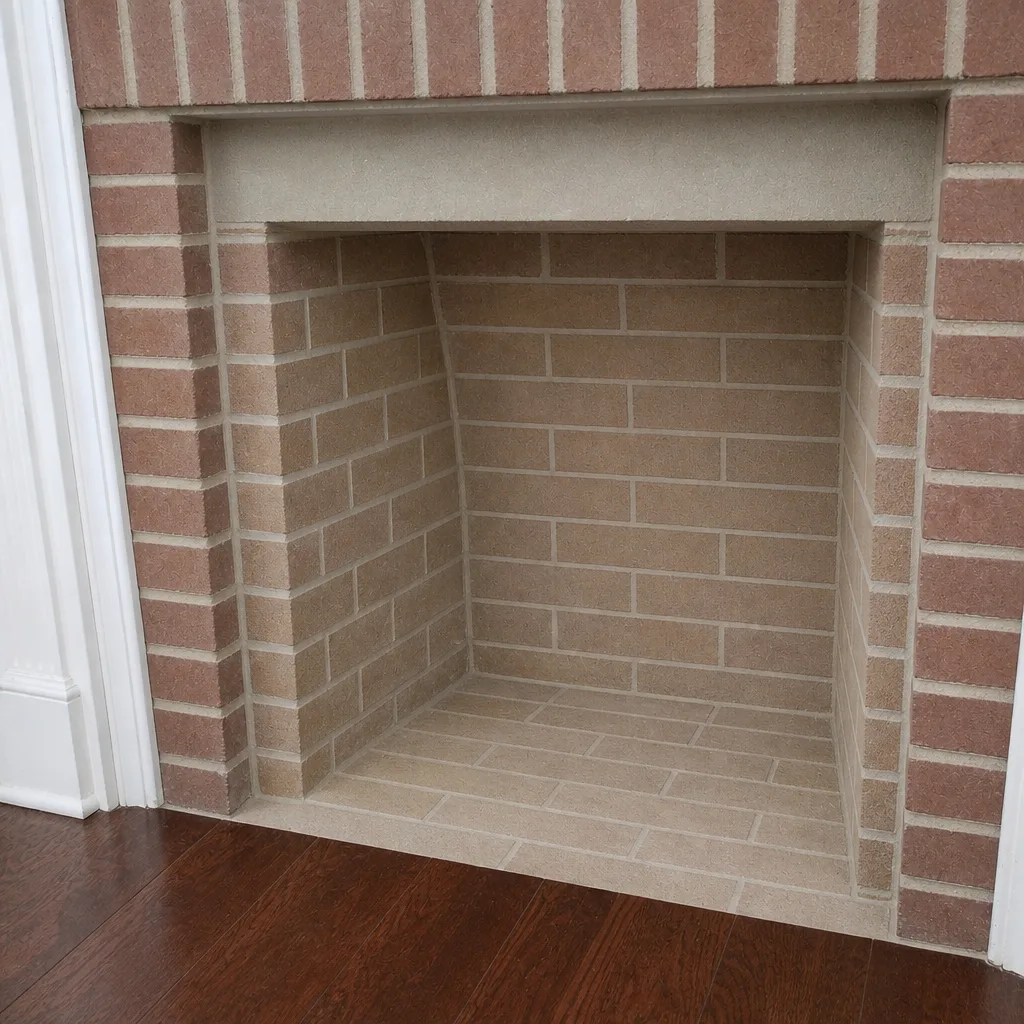 After
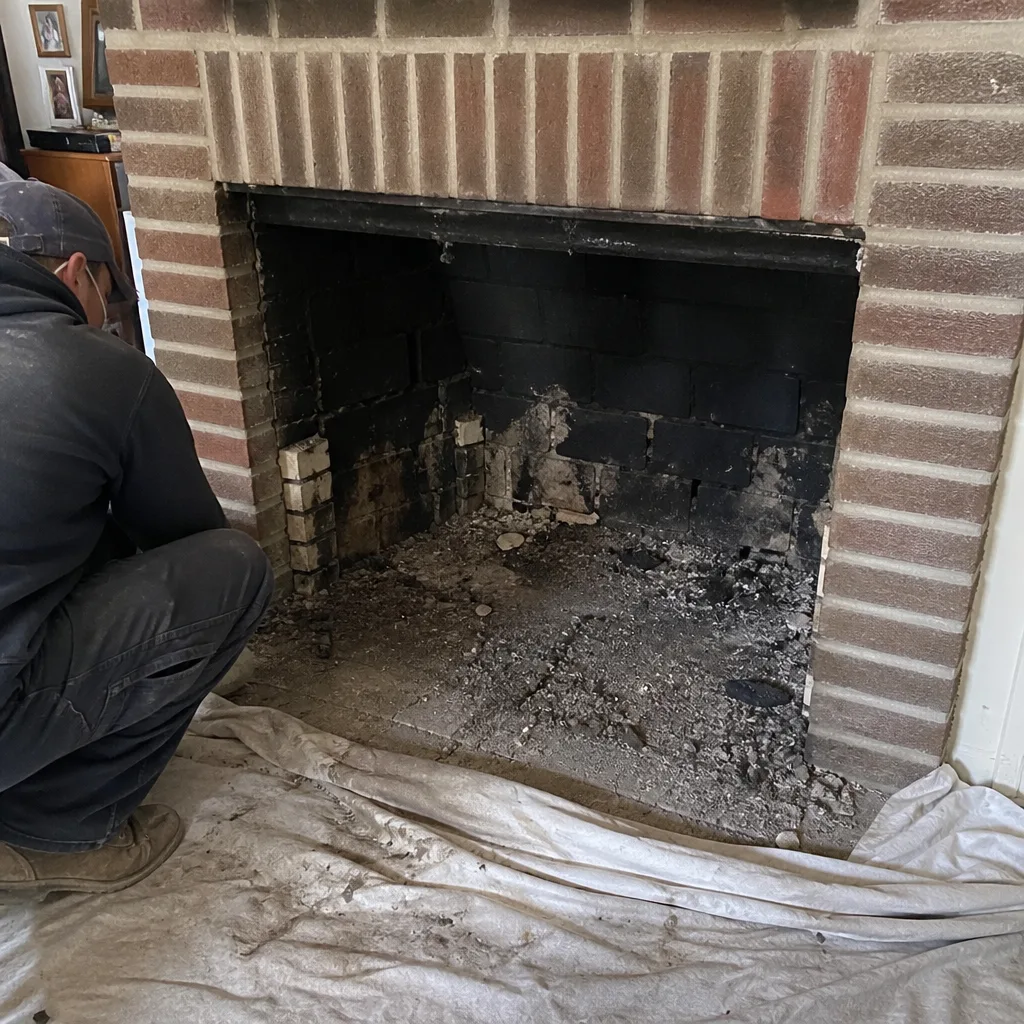 Before
 After
 Before
 After