
Last updated November 25, 2026
 Sweep & inspection
 Caps & crowns
 Flue relining
 Masonry repair
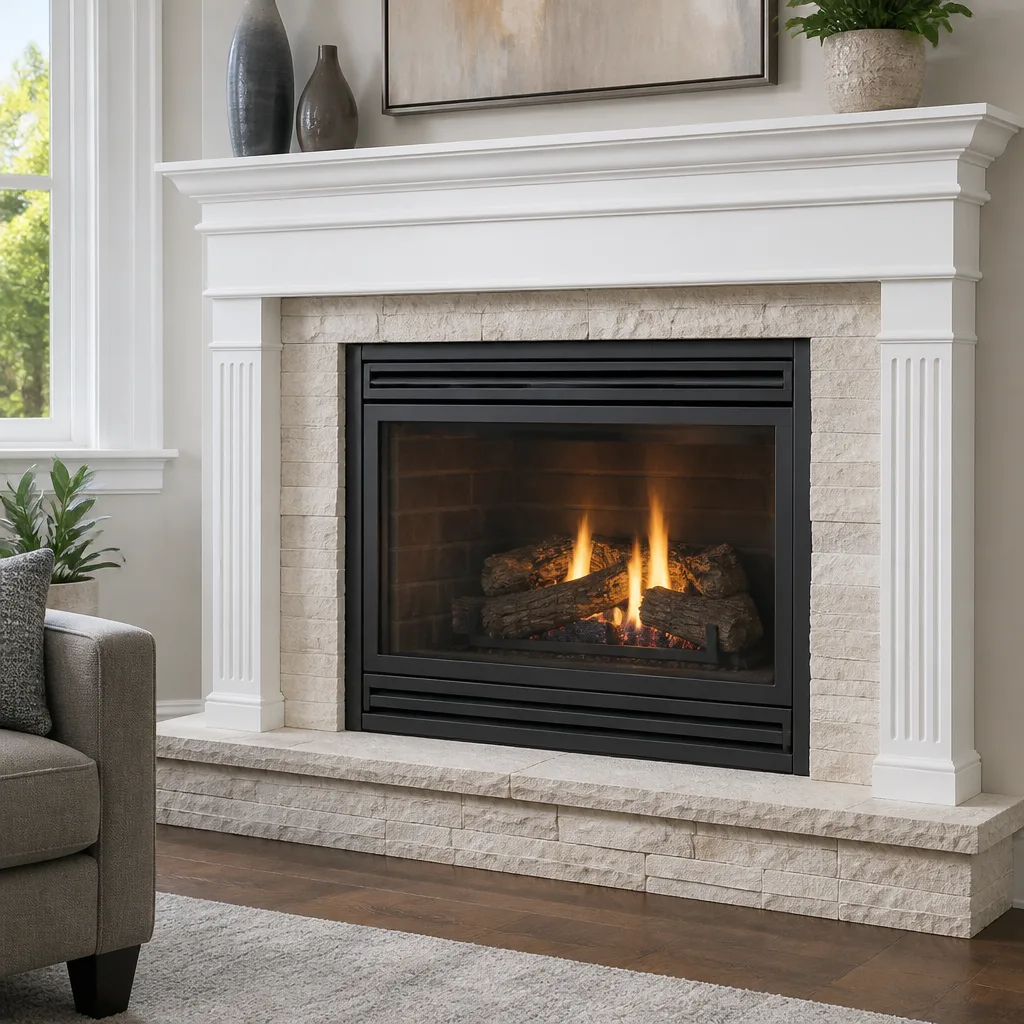 Gas fireplace service
Level 1 sweep and inspection to the NFPA 211 annual standard - flue, crown, cap, and flashing checked and photographed
Chimney sweep logs do not sweep chimneys. They loosen some creosote - which then falls where a brush and vacuum still have to collect it.
Seasonal Chimney Cleaning Care for New Dorp: Year-Round Homeowner’s Guide
Most chimney advice you’ll read says the same thing: book a sweep in October and forget about it until next fall. For New Dorp homeowners, that advice leaves a gap wide enough to cost you a season. The problem is summer. Between the last fire of spring and the first fire of fall, an unserviced chimney crown sits through months of rain, heat, and the freeze-thaw swings that hit Staten Island harder than colder inland climates. Moisture gets into mortar and sealant, and by the time you’re ready to light up in October, the damage started in July. This guide walks you through the four service windows that actually matter for New Dorp homes, what you can safely check yourself, and what needs a trained technician.
Quick Answer
Chimney care in New Dorp works on four seasonal windows, not one: a post-season sweep in spring, weatherproofing and cap-and-crown attention in summer, a pre-season inspection in early fall, and a mid-winter diagnostic if anything changes. Wood, gas, and oil fireplaces each have different cleaning profiles, and a crown that’s left unaddressed through a wet summer can undo a spring cleaning before heating season arrives.
Styles & brands we work with
- Sweep & inspection
- Caps & crowns
- Flue relining
- Masonry repair
- Gas fireplace service
Table of Contents
- Why One Annual Sweep Doesn’t Cover New Dorp
- Spring: The Post-Season Clean and Inspection
- Summer: Weatherproofing, Caps, and Crowns
- The Freeze-Thaw Dynamic in New Dorp
- Fall: Pre-Season Inspection Before the First Fire
- Mid-Winter: The Diagnostic Window
- Fuel Type Changes the Calendar
- What You Can Check vs. What Needs a Technician
Why One Annual Sweep Doesn’t Cover New Dorp
Chimney care calendars are usually written for inland climates. The assumption is simple: heat the house for six months, sweep before heating season, and that’s that. New Dorp sits on the eastern edge of Staten Island where the housing stock ages a particular way. Salt air moves through the air most of the year, mortar joints soften faster than they would fifteen miles inland, and the heating season runs longer than most of the country expects. That combination means a chimney here sees more exposure in a single year than the same chimney would in a colder, drier climate.
What that means in practice is that a single annual visit, no matter how thorough, is a snapshot. It tells you the condition of your chimney on the day the technician is on your roof. It doesn’t tell you what happened between that visit and the next one, and eight months is a long time for a chimney to sit through four distinct weather patterns.
So we build our maintenance recommendations around four service windows instead of one:
- Spring (post-season): Sweep and close out the season with a Level I inspection.
- Summer (weatherproofing): Cap, crown, flashing, sealant, and a look at mortar joints.
- Fall (pre-season): Level II inspection, especially if the summer passed without one.
- Mid-winter (diagnostic): A check if smoke, draft, or sound changes mid-season.
For most New Dorp homes with an active fireplace, the spring and fall windows are essential, and the summer window is where the real preventable damage sits. If you’ve never thought about your chimney as a summer project, you’re not alone. Most homeowners don’t, and it’s the reason crown repairs are one of the most common jobs we see. For a straight sweep, chimney sweep service handles the seasonal clean and inspection in a single visit.
Spring: The Post-Season Clean and Inspection
Spring is the right time to sweep. You’ve finished burning for the season, so the creosote layer is at its thickest and easiest to remove, and you’re getting the chimney to a clean state before the humid months arrive. Creosote that sits through a wet summer absorbs moisture, and glazed creosote actually hardens further, which makes the fall sweep harder on the flue.
A spring visit should include more than a brush. Here’s what a proper post-season service covers:
- Full flue sweep. Removes soot and creosote from the firebox through the top of the flue.
- Level I inspection. Visual check of the accessible portions of the chimney, firebox, damper, and flue.
- Creosote assessment. Degree and location of any deposit, since that drives whether a standard sweep is enough or a different approach is needed.
- Cap and crown visual. Even if repairs happen in summer, spring is when you want to know the condition.
- Draft and smoke test on request. A quick check that the flue is pulling correctly after the clean.
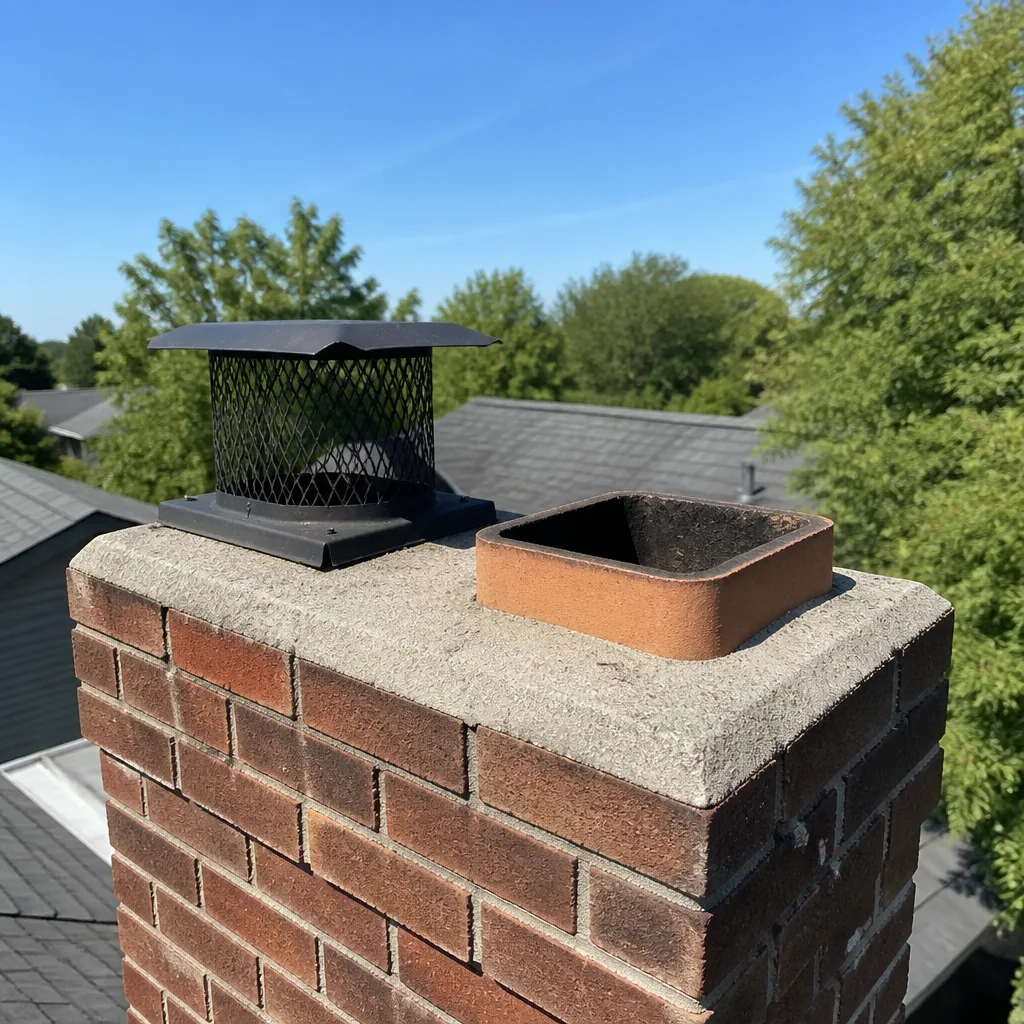
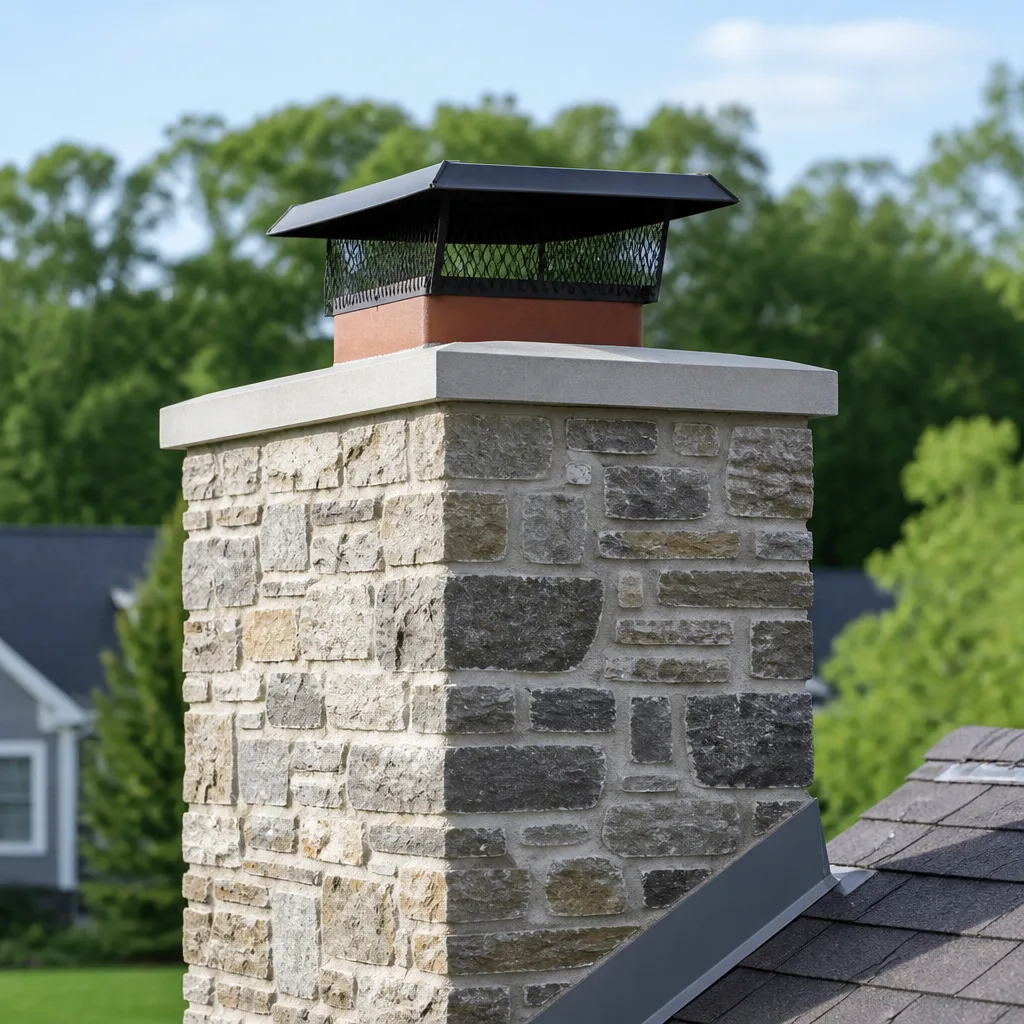
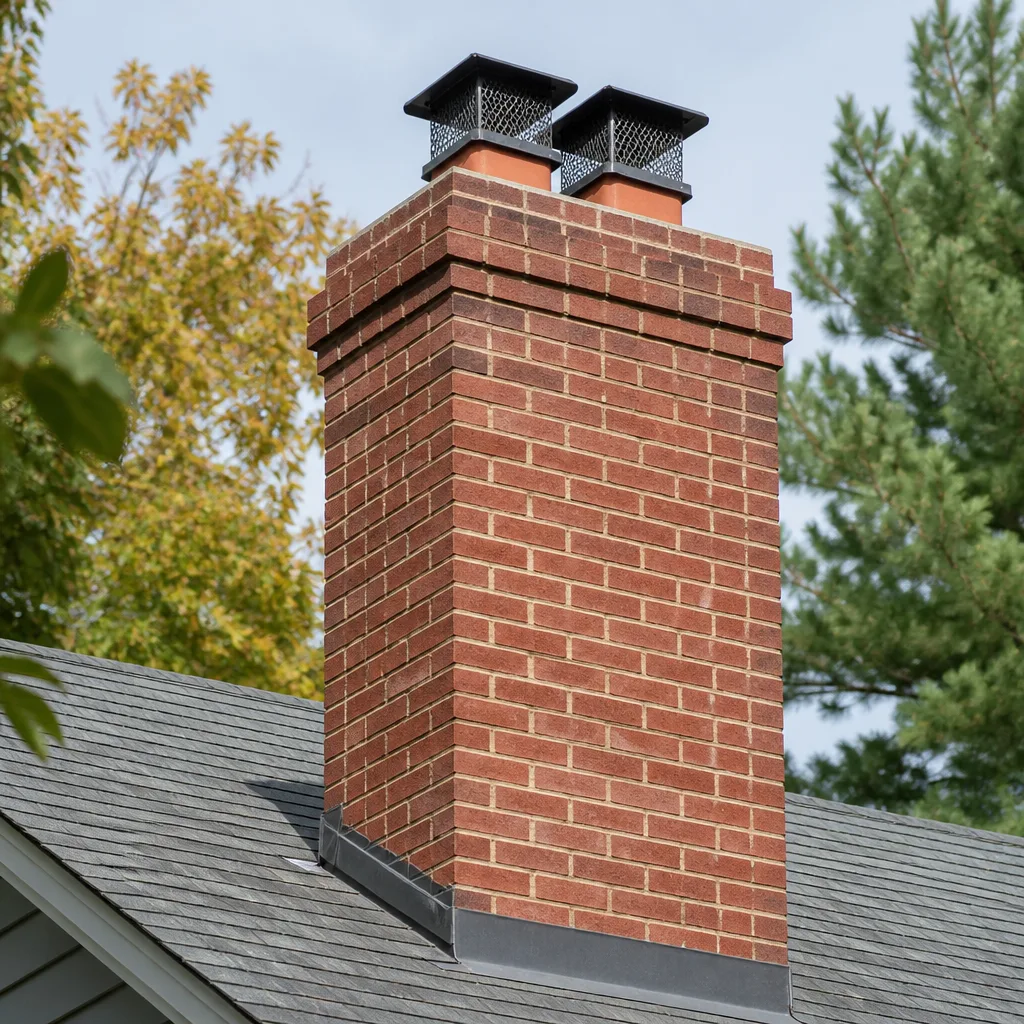
Nesting birds and squirrels are a spring problem in New Dorp, and if your cap has a loose screen or a rusted edge, you may find evidence of an attempted nest inside the flue. A cap that’s missing or damaged is one of the easiest things to fix and one of the most common reasons a chimney drafts poorly come fall. If your cap has been on the roof a long time, this is the season to look. Famco and Copperfield caps are the kinds we fit most, because they’re built for the specific flue size rather than improvised from hardware-store parts.
If your firebox or damper has taken damage, spring is also the right season to address it, since a warm-weather fireplace repair doesn’t compete with a burning season. A cracked firebox brick doesn’t get better on its own, and moisture in the firebox over summer makes a small crack worse.
Summer: Weatherproofing, Caps, and Crowns
This is the section most seasonal guides skip. For New Dorp homes, summer is not a rest period. It’s when the chimney is most exposed, and where the combination of salt air and driving rain does the most preventable damage. A crown that’s already showing hairline cracks in June will be a decision point by October.
Salt air accelerates the breakdown of cement-based mortar and caulk-type sealants. The damage isn’t dramatic; it’s incremental. A joint that would hold for several seasons inland starts to soften sooner here. When a weakened joint meets standing water from a summer thunderstorm, freeze-thaw cycles in late October finish the job. That sequence runs every year in New Dorp, and the homes that come out ahead are the ones that addressed the summer exposure.
A summer weatherproofing visit typically covers:
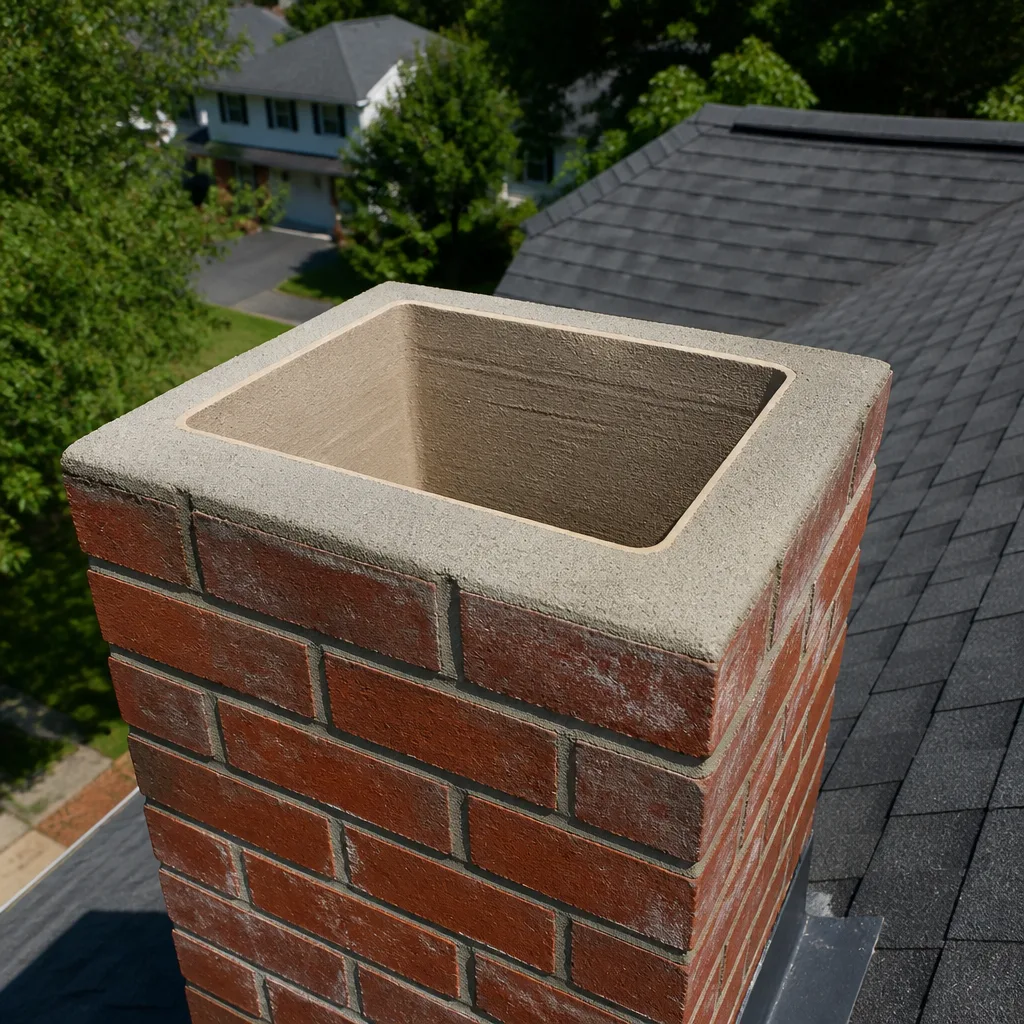
- Crown inspection and repair. A cracked crown lets water into the chimney structure. We repair or replace crowns using proper mixes, not tube caulk.
- Cap condition. Check hinges, screens, and attachment. A cap that’s loose or rusted through doesn’t stop rain or animals.
- Flashing. The metal seal where the chimney meets the roof is where leaks start most often.
- Mortar joints. Tuckpointing at the top of the chimney where exposure is highest.
- Sealant refresh at the crown edge. Where the crown meets the flue, sealant degrades faster than the crown itself.
If your crown is completely failed and the flue interior has taken damage, the summer window is when we have the schedule space to address it, and when a repair-first approach makes sense. HeatShield resurfacing can restore a damaged flue interior without a full reline in the right conditions, and it’s the kind of judgment call that requires an actual inspection rather than a phone assessment. Some homes need a DuraFlex flexible liner instead, particularly when the flue has an offset that a rigid liner won’t clear. Either way, the diagnosis comes first. For cap and crown work specifically, chimney cap & crown service is the starting point.
The Freeze-Thaw Dynamic in New Dorp
One of the most counterintuitive things about chimney care here is that colder climates don’t necessarily damage chimneys faster. Staten Island sits in a temperature band where winters hover near freezing rather than dropping deep and staying there. That’s actually worse for masonry. Deep cold creates one long freeze. New Dorp winters create many short freeze-thaw cycles, and each cycle does its own small amount of spalling to any masonry that absorbed water beforehand.
A typical New Dorp winter brings repeated cycles where daytime temperatures push just above freezing and night pulls back below. A saturated brick expands when it freezes and contracts when it thaws. Do that enough times and the face of the brick begins to flake off. The mortar joints weather faster in the same way. Homes that see the most spalling are usually the ones whose masonry spent the summer absorbing water it couldn’t shed.
That’s why summer weatherproofing is not cosmetic. A sound crown and tight flashing mean less water in the masonry, and less water in the masonry means fewer freeze-thaw cycles that actually do damage. The logic is the same for the firebox interior, which sees water ingress through a compromised crown and then expands under its own winter moisture.
What to look for on your own after a hard overnight freeze: a small pile of brick grit or mortar flakes at the base of the chimney on the roof or against the outside wall. That’s a spalling signal, and it’s worth a call before the next cycle starts. If you’ve seen grit on the ground below the chimney in mid-winter, don’t assume it’s weathering; that’s the pattern we want to inspect before spring.
Fall: Pre-Season Inspection Before the First Fire
Fall is the last clean shot at your chimney before you start burning in earnest. If you swept in spring and weatherproofed in summer, the fall visit can be lighter: a Level I visual check, a look at the cap and crown, and confirmation that the flue is clear. If the summer came and went without attention, this is the visit where you may find the year’s most important issues.
The fall checklist:
- Confirm the clean flue. If you didn’t sweep in spring, sweep now before burning season starts.
- Level I or Level II inspection. Level II if you’ve had any change: new appliance, storm damage, a masonry crack you noticed, or a chimney fire you suspect.
- Cap and crown re-check. Confirm the summer fix held and nothing shifted.
- Damper operation. A damper that sticks or won’t close fully costs you heat through the winter.
- Chimney fire evidence check. A technician looks for the pattern of cracks and creosote changes that indicate a past chimney fire.
- Carbon monoxide safety check. Especially important for gas fireplaces, where CO is a real risk if the flue isn’t venting correctly.
In New Dorp, the first fire of fall often comes early. The first cold snap tends to pull people inside and light up the fireplace before the calendar says November. Get the inspection done before the first cold snap, not after. Booking a fall inspection in September keeps you ahead of the curve and gives you a window to schedule any repair in reasonable time, rather than making a decision under pressure when the fireplace is already in use.
For homes near the New Dorp business district and the tighter residential blocks around New Dorp Lane, where houses sit close together and masonry exposure is similar home to home, fall is also the season to notice what your neighbors’ chimneys look like. If nearby chimneys have crowns that are cracked or heavily stained, it’s a reasonable prompt to check yours. The neighborhood pattern does show up.
Mid-Winter: The Diagnostic Window
Mid-winter is not a cleaning season, and it shouldn’t be sold as one. What mid-winter calls for is a diagnostic: a technician visits because something has changed. Call for an inspection if you notice any of the following during the burning season:
- Draft problems. Smoke rolling into the room, or a fire that has to be coaxed constantly.
- Smoke smell in the house when the fireplace isn’t lit. Often a sign of flue or pressure issues.
- New noise. Rattling, whistling, or a sound you didn’t have before.
- Visible soot on the firebox or the room. Not normal, and not a life problem.
- Carbon monoxide detector alert. This is a “call a technician now” signal, not a wait-until-spring one.
- Suspected chimney fire. A roaring sound, a sudden heat spike, a bang, or a burst of black smoke from the top of the chimney.
Most mid-winter visits resolve into one of three outcomes. The flue needs a mid-season sweep and it’s fine. The flue has a small issue that can wait for spring without risk. Or there’s a genuine hazard that should be addressed right away. We don’t move a small issue into the third category just to justify a repair. If it can safely wait, we’ll tell you it can safely wait. That’s the point of scheduling a fall visit in the first place: to know what’s already been assessed.
If the mid-winter issue is safety-related, don’t wait. A carbon monoxide concern from a gas fireplace or a chimney fire you’ve just had are both situations where a real inspection can’t wait for a convenient calendar slot.
Fuel Type Changes the Calendar
A lot of New Dorp homeowners don’t realize that fireplaces burning different fuels have different seasonal care profiles. The calendar isn’t universal.
Wood-burning fireplaces
Wood is the highest-maintenance profile. Creosote accumulation depends on the wood’s moisture content and the burning habits of the household, which is why the annual spring sweep is essential. Glazed creosote needs special handling, not just a brush. Annual Level I inspection is the baseline, and Level II is the right call after any chimney fire suspicion or appliance change.
Gas fireplaces
Gas produces less soot but has its own issues: the flue can develop a residue, the vent termination can be blocked, and carbon monoxide is the primary risk if draft fails. Gas fireplaces should be inspected annually, and mid-winter diagnostic visits are more often about venting and CO than creosote. A gas appliance is not “safe by default” just because it produces less visible smoke.
Oil-burning appliances
Oil-fired boilers and furnaces tied to a chimney produce a residue that behaves differently from wood creosote. Oil appliances typically need annual service on the appliance side and a chimney inspection on the venting side, because a partially blocked oil flue is a serious safety issue. Oil-burning homes often run their systems longer into the season than wood-burning homes, which is a reason to get the fall inspection done in September rather than October.
Homes with more than one fuel source, or a wood fireplace with a gas starter, need a single service that covers both. That’s why we keep sweeping, inspection, and repair in one place. One call covers the whole chimney, and the same team that finds an issue is the one that fixes it.
What You Can Check vs. What Needs a Technician
Some seasonal tasks are fine for a homeowner. Some are not. The line is where safety and access start to require training, tools, and insurance.
Reasonable for a homeowner
- Ocular check of the cap and crown from the ground. Binoculars are your friend here. Look for obvious cracks, missing cap pieces, or debris stuck in the cap screen.
- Clearing visible debris from the cap screen. Only if you can reach it safely from the ground or a stable ladder at low height. Many caps need a proper roof access.
- Listening for changes during the season. Note when the fireplace sounds different and mention it on your next inspection.
- Watching for spalling grit at the chimney base. Any grit or mortar flakes worth noting at your next visit.
- Testing your carbon monoxide detector monthly. This isn’t chimney work, but it belongs in the seasonal care calendar.
Needs a technician
- Any roof work at height. Chimneys are not a safe DIY surface, and a fall from a roof is far more serious than any chimney repair.
- Crown repair or replacement. This is structural work with specific mixes and Curing requirements, not tube caulk.
- Flue sweep and inspection. Both need specialized brushes and lighting to be done correctly.
- Liner work and HeatShield resurfacing. Both require product-specific training and application protocol.
- Chimney fire evidence. Any suspicion of a past chimney fire means a real inspection before the next fire.
The safety caution here is real but simple: the inside of a chimney can hide cracks that a visual from the ground never shows, and the top of a chimney sits at the top of a ladder on a sloped roof. For anything above the crown, call us. Our technicians have up to 15 years of experience, and they know what to look for on a Staten Island roof in October that a homeowner can’t see from the ground in June.
Common Mistakes to Avoid
- Skipping the summer weatherproofing entirely. The biggest preventable damage in New Dorp happens between the last spring fire and the first fall fire, not during heating season. A crown in June is often a repair in October.
- Sweeping in fall and calling it done for the year. A fall sweep is right, but it leaves the chimney sitting through humid weather with a fresh clean flue and an untested crown. The fall visit tells you the state of the chimney at the start of the season; the summer visit is what protects it during the season.
- Using tube caulk on a crown crack. It’ll last through one summer and fail in the next freeze-thaw. A proper crown repair is a different job.
- Assuming the cap is fine because it’s still attached. Rusted screens and loose hinges don’t stop rain or birds, and a rusted cap is where a lot of animals find their way in.
- Not re-inspecting after summer storm damage. A strong summer storm can shift flashing or crack a crown without any visible cue from the ground. A fall inspection catches it before the first fire.
- Treating gas as low maintenance. A gas fireplace still needs annual inspection for venting and CO. “It burns clean” doesn’t mean “it vents correctly.”
- Waiting for a problem instead of scheduling a window. A mid-winter diagnostic is a sound call, but it works best when a fall inspection has already established a baseline. Otherwise every mid-winter issue is a diagnosis from scratch.
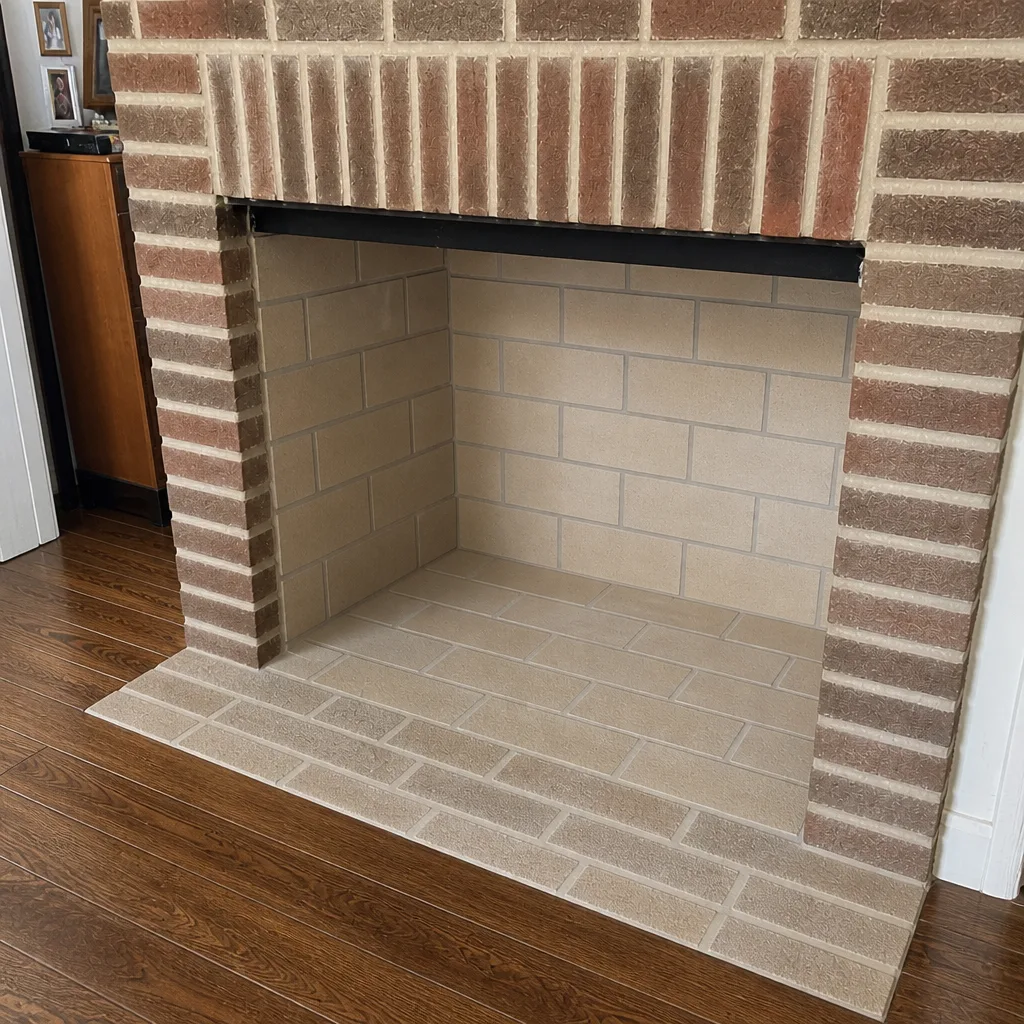
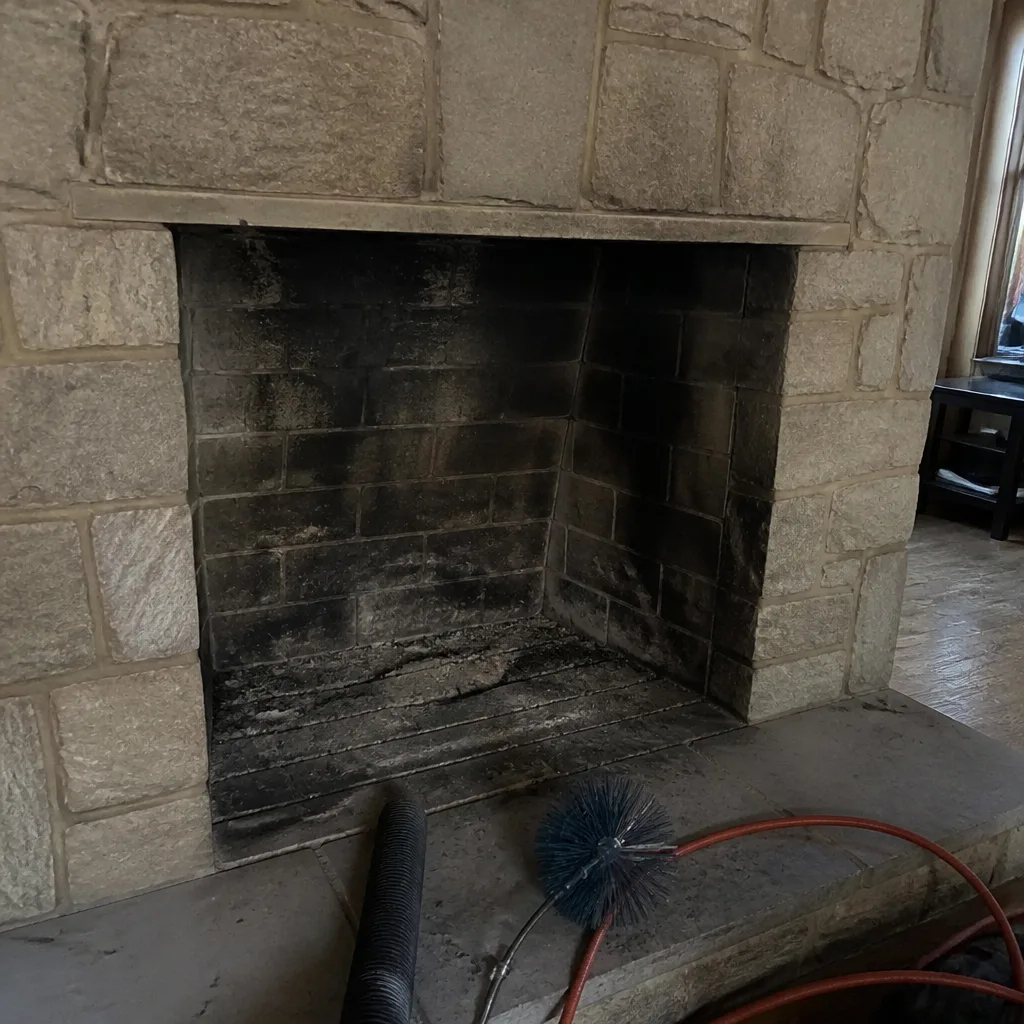
See the difference
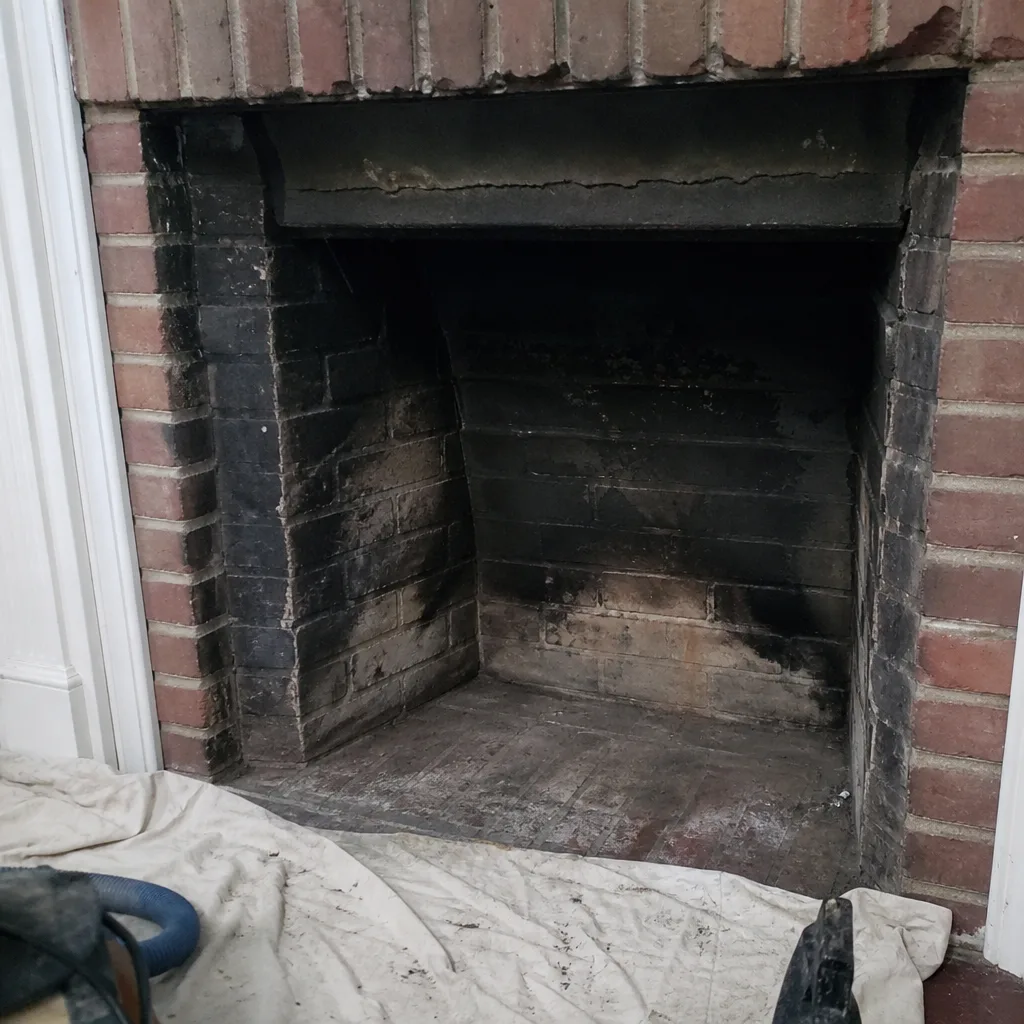 Before
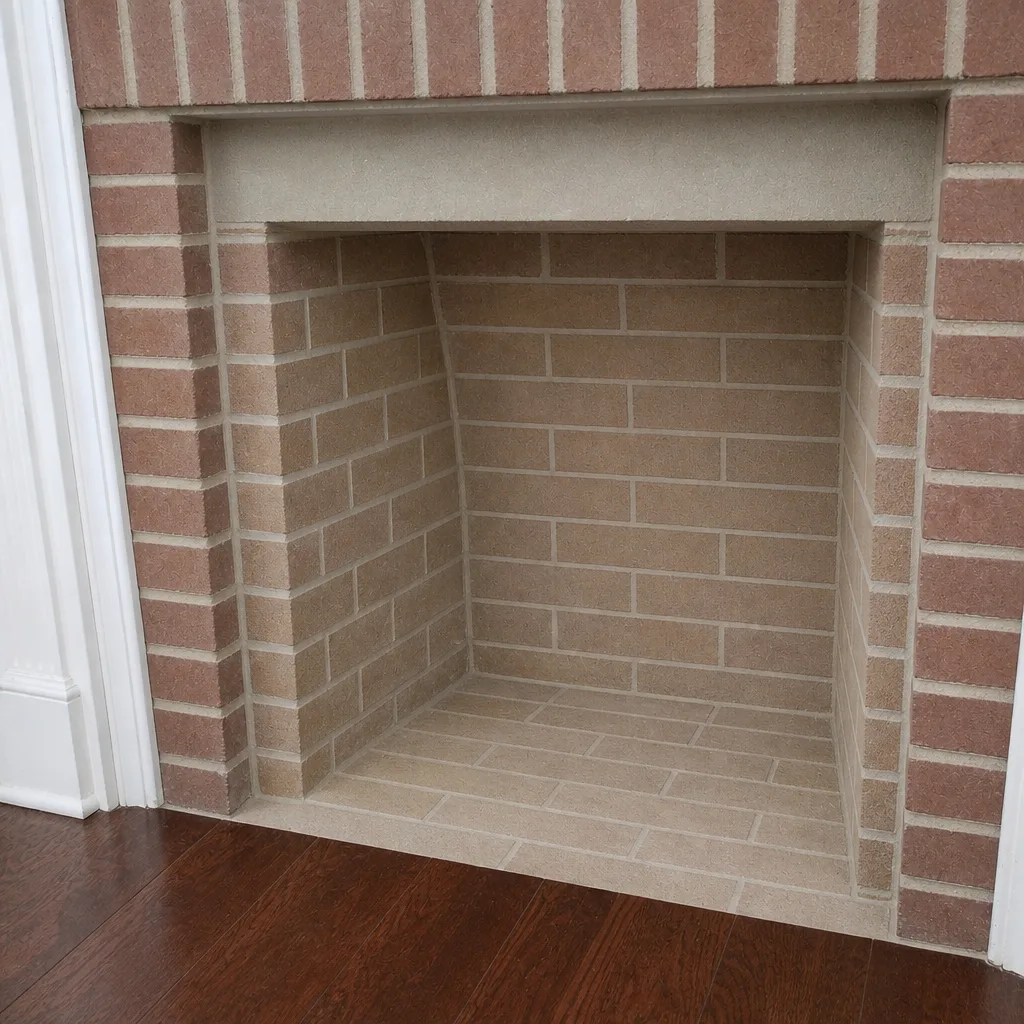 After
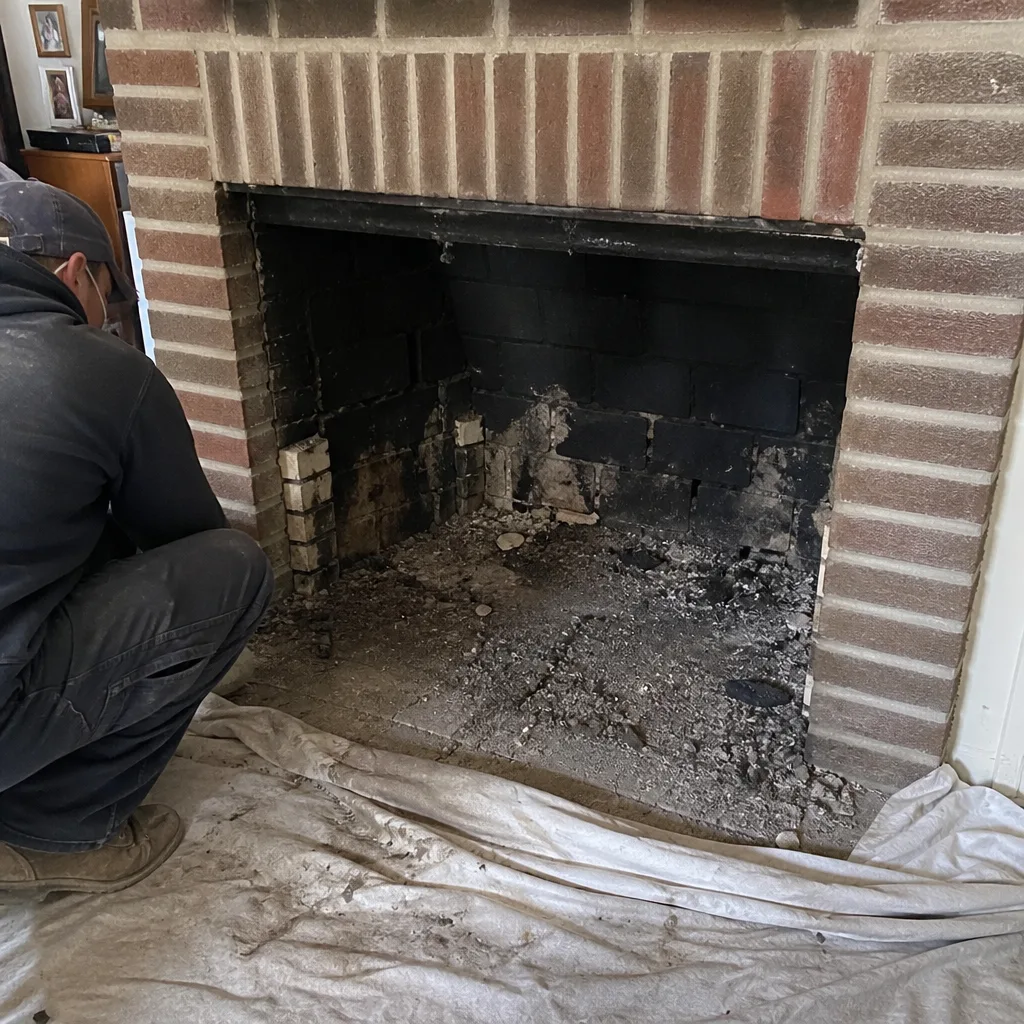 Before
 After
 Before
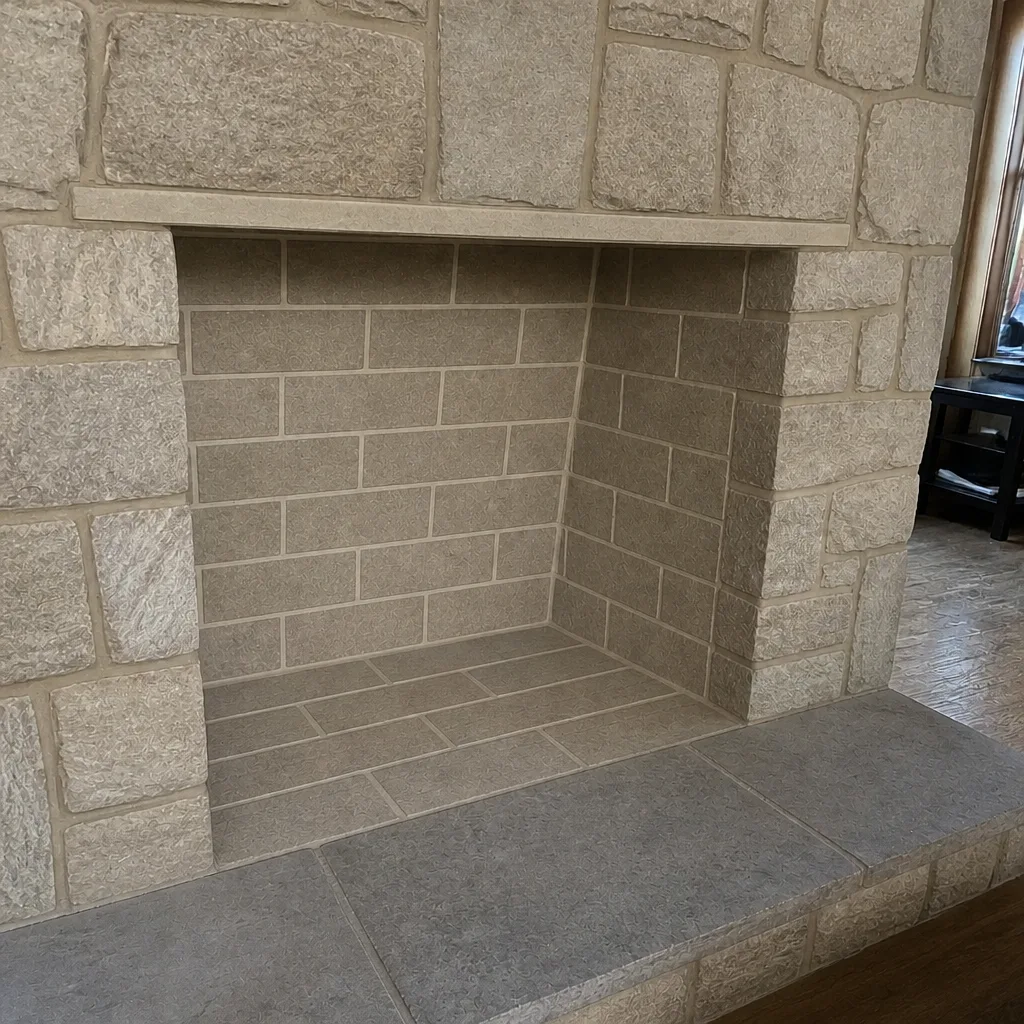 After
When to Call a Professional
Call a trained chimney professional if you notice draft problems, a smoke smell in the house with the fireplace off, soot on the firebox or in the room, a carbon monoxide detector alert, a suspected chimney fire, or any visible structural change at the crown or flashing. Call before the first fire of the season if you haven’t had an inspection since the previous winter, and call early in the summer if your crown is looking rough. Anything at height, on a sloped roof, or involving the flue interior should be a technician’s job, not a homeowner project. Chimney Sweep New Dorp offers free estimates in New Dorp. Call (855) 726-7829.
Frequently Asked Questions
For an actively used wood-burning fireplace, once a year is the baseline, and the spring window is the right time. Homes that burn heavily through the winter may need a mid-season assessment. Gas and oil appliances also need annual inspection on the venting side even without a heavy soot load. Call (855) 726-7829 for a free estimate.
Yes, and it’s the one most homeowners skip. The crown, cap, flashing, and mortar joints see their heaviest weather exposure in summer, and salt air accelerates the breakdown of mortar and sealant here faster than it does inland. A summer weatherproofing visit is where the preventable damage is addressed. Call (855) 726-7829 for a free estimate.
No scheduled maintenance is required, but a mid-winter diagnostic is worth calling for if anything changes: draft problems, new noise, a CO detector alert, or soot in the room. If nothing changes, you can wait for the spring sweep. Call (855) 726-7829 if anything seems off.
A Level I is a visual check of accessible portions of the chimney and firebox, appropriate for a routine annual visit. A Level II goes further and is the right call after a chimney fire, an appliance change, a new home purchase, or a structural concern. Not every visit needs a Level II, and we’ll tell you which one you actually need. Call (855) 726-7829 for a free estimate.
A visual check of the cap and crown from the ground and clearing debris you can safely reach at low height are both fine. Anything at roof height or involving the flue interior is a technician job. Crown repair and liner work require product-specific training and aren’t a homeowner project. Call (855) 726-7829 for a free estimate.
We’re a chimney-only specialist working with professional-grade brands including DuraFlex, HeatShield, Gelco, Olympia Chimney, Famco, and Copperfield. That means a cap that’s spec’d correctly for your flue, not adapted from hardware-store parts, and a liner system chosen to fit the actual shape of your chimney. Call (855) 726-7829 for a free estimate.
The Bottom Line
New Dorp chimneys age on a four-window calendar, not a single annual event. Spring sweeping clears the flue at the right moment. Summer weatherproofing on the cap and crown is where the real preventable damage is addressed, and it matters here more than in colder, drier climates because salt air and repeated freeze-thaw cycles finish off weak mortar faster than deep cold does. Fall inspection confirms the chimney is ready for the first fire. Mid-winter is for diagnostics, not for a scheduled clean. Fuel type changes the profile: wood lives or dies on the creosote assessment, gas lives or dies on the venting check, and oil needs annual attention on both sides. Contractor-grade parts from Familiar chimney supply brands, a single team from inspection through repair, and an honest call on when work can safely wait: that’s what we stand for. If your chimney is due for its next window, we’d like to be the ones who look at it. Call (855) 726-7829 for a free estimate.
Written by the team at Chimney Sweep New Dorp.