
Last updated November 25, 2026
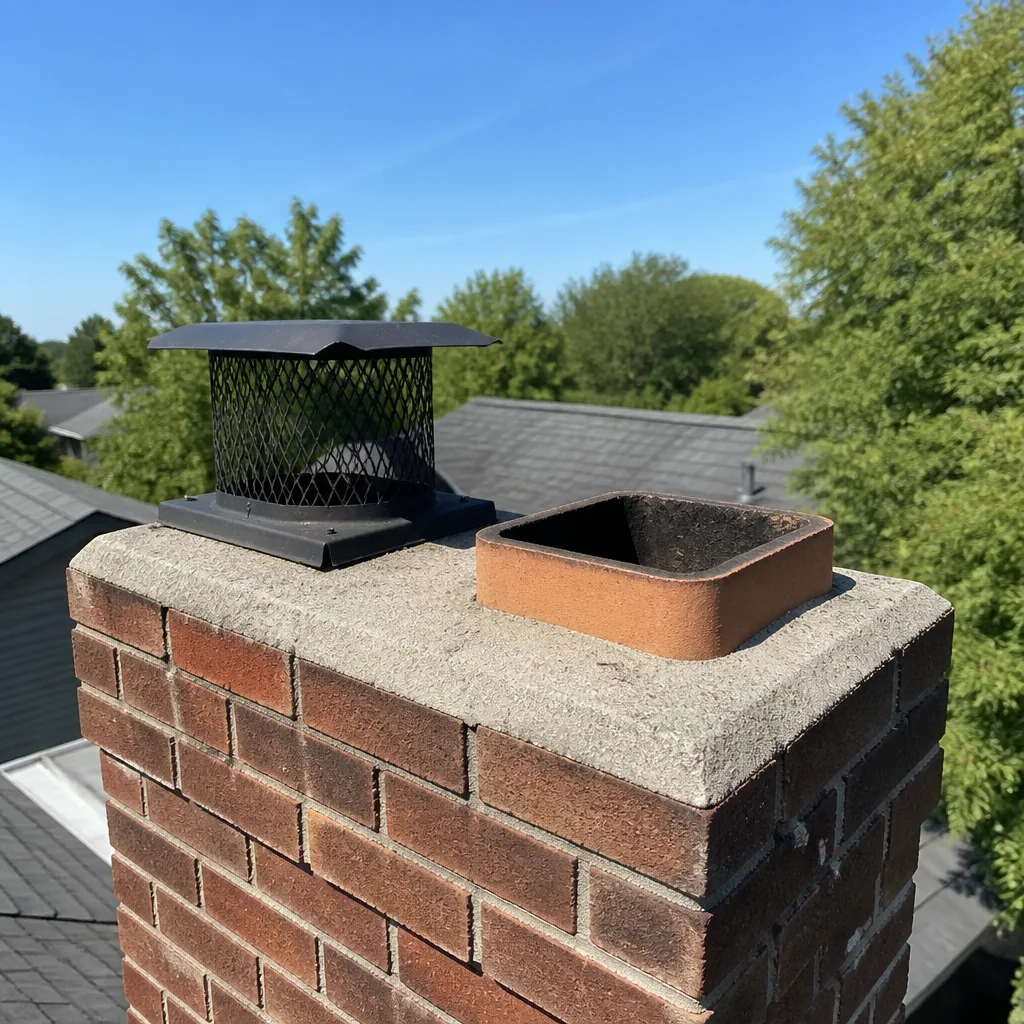 Sweep & inspection
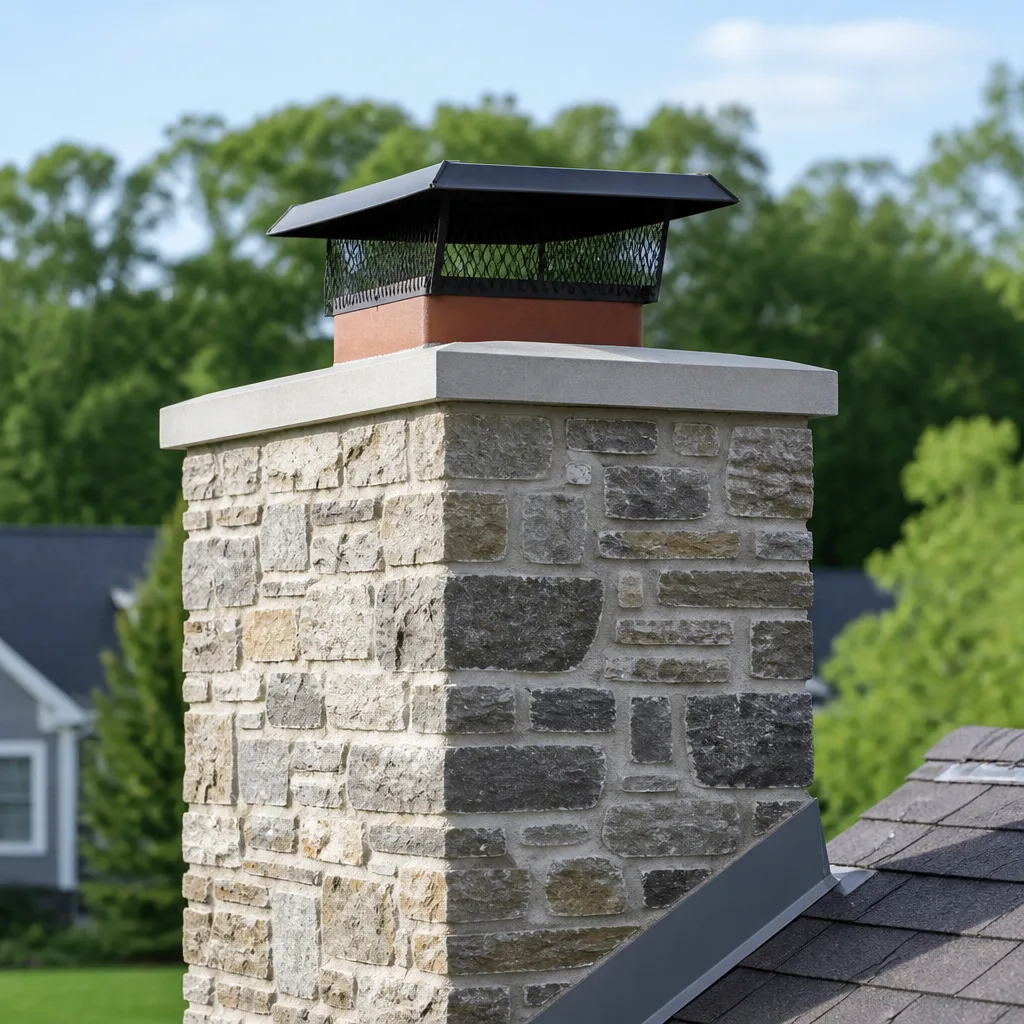 Caps & crowns
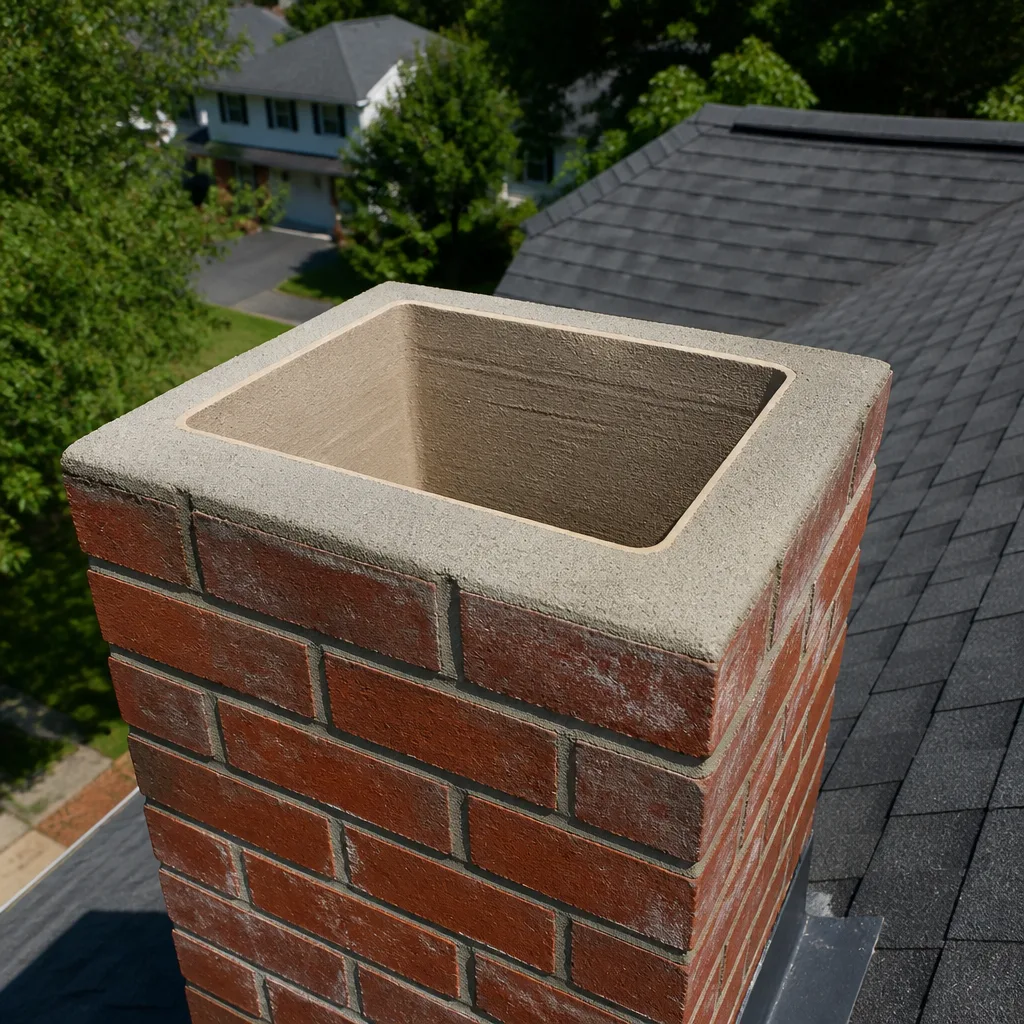 Flue relining
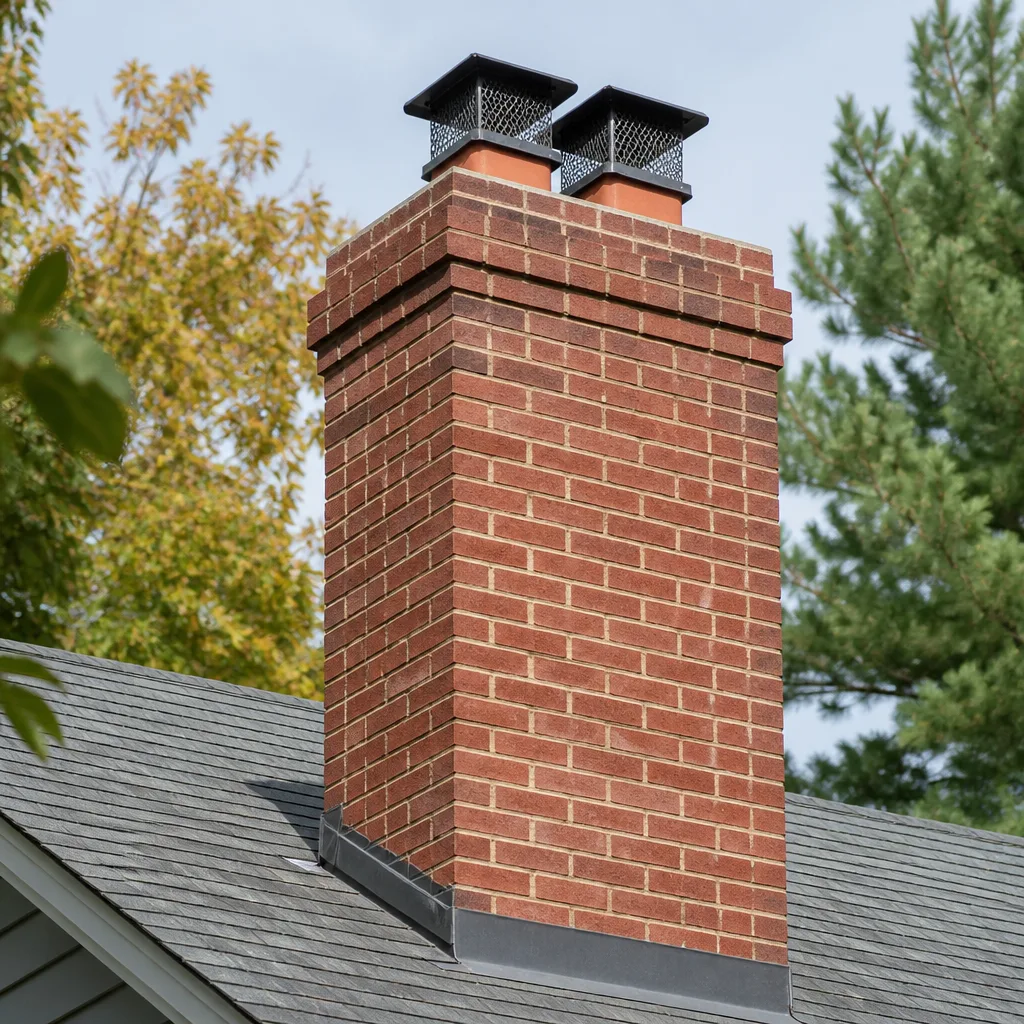 Masonry repair
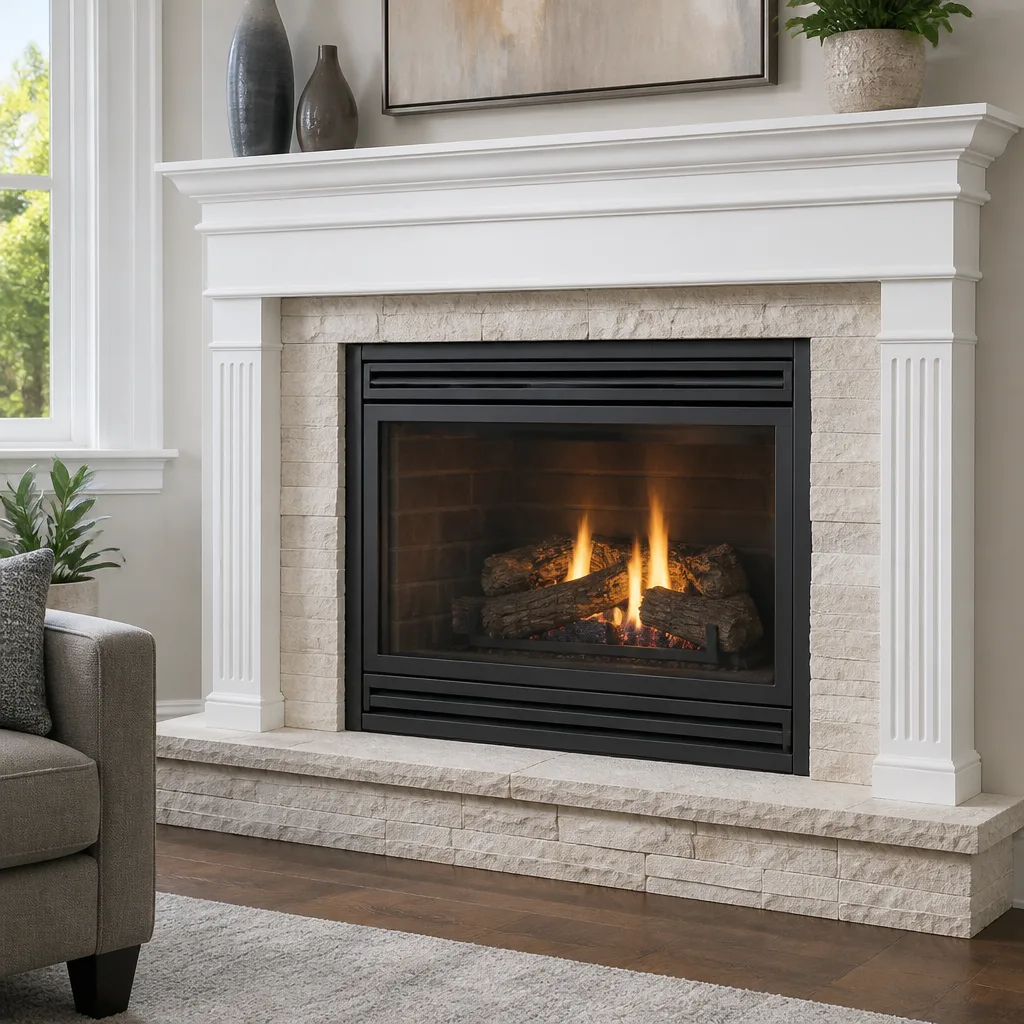 Gas fireplace service
Level 1 sweep and inspection to the NFPA 211 annual standard - flue, crown, cap, and flashing checked and photographed
Chimney sweep logs do not sweep chimneys. They loosen some creosote - which then falls where a brush and vacuum still have to collect it.
How to Hire a Chimney Cleaning Contractor in New Dorp: A Step-by-Step Guide
A licensed general contractor in New York can legally sweep your chimney. That doesn’t mean they know what they’re looking at inside a deteriorating terra cotta liner, and you won’t find out until the problem is structural. Chimney work sits at the meeting point of masonry, venting, and fire code, and the skills that make a good roofer or handyman don’t automatically carry over. Hiring well in New Dorp means vetting for trade-specific credentials, equipment, and reporting habits, not just a business license and a brush on a pole. This guide walks through exactly what to ask, what to check, and what a fair estimate should contain.
Quick Answer
To hire a chimney cleaning contractor in New Dorp, verify trade-specific credentials first: ask about CSIA certification, actual equipment (rotary systems and video inspection), how debris is handled, and whether the contractor carries insurance that specifically covers chimney work. Then compare written estimates line by line. A legitimate contractor asks about your fuel type and chimney height before quoting, and provides a written inspection report. Our technicians have up to 15 years of experience, and we inspect before we recommend.
Styles & brands we work with
- Sweep & inspection
- Caps & crowns
- Flue relining
- Masonry repair
- Gas fireplace service
Table of Contents
- Why Chimney Work Needs Different Credentials
- What CSIA Certification Actually Means
- The Questions to Ask Before You Book
- Equipment and Video Inspection: What to Look For
- How to Read a Chimney Estimate
- Verifying Insurance That Covers Chimney Work
- Red Flags Specific to Chimney Contractors
- Permits, Liners, and When Work Requires Approval
Why Chimney Work Needs Different Credentials
Chimney work crosses three trades that are usually kept separate: masonry, venting, and fire safety. A chimney is a masonry structure, but it’s also a venting system, and it’s also a fire containment path. A general contractor’s license in New York covers a broad range of residential work, but it doesn’t test for any of the specific knowledge a chimney technician needs: how flue gases behave, how a liner degrades, how a crown sheds water, or how a cap affects draft.
That gap matters most when the problem isn’t visible. From the ground, a chimney with a cracked crown or a spalling flue tile looks fine. The damage shows up when a technician runs a camera down the flue or checks the smoke chamber. If the person you hired doesn’t have that capability, they’ll sweep the flue and tell you everything’s clear, and you’ll believe it because you have no way to check.
Chimney Sweep New Dorp is a chimney-only specialist. We don’t take roofing jobs or general handyman work, which means every visit is a chimney visit with the equipment and knowledge a chimney needs. Our technicians have up to 15 years of experience, and our work runs from a routine chimney sweep through structural repair. When we find a problem, the same technicians who identified it can address it, from the first sweep to full liner replacement.
What CSIA Certification Actually Means
CSIA certification is a specific credential issued by the Chimney Safety Institute of America, and it’s not the same as a contractor saying “we’re certified.” Anyone can print a certificate. CSIA certification means the individual technician has passed a written exam covering codes, venting, and inspection standards, and maintains it through continuing education. It’s tied to a person, not to a business name.
The key distinction: a business can be a CSIA-certified chimney sweep company only if it employs at least one currently certified technician. So when you’re vetting a New Dorp contractor, ask whether the technician who arrives at your home holds the certification, not just whether the office does. A few specifics to check:
- Do they name the certifying body and the technician, or just say “fully certified” with no affiliation?
- Is the certification current? CSIA credentials renew, and a lapsed credential isn’t the same as an active one.
- Does the technician explain what the certification required? Someone who actually holds it will usually describe the exam and the code knowledge it covers.
- Do they carry errors-and-omissions coverage in addition to general liability, and can they document it?
None of this is about gatekeeping a simple sweep. It’s about knowing the person on your roof has been tested on the things that can go wrong. If a contractor can’t answer these questions clearly, that tells you something in itself. Our technicians are backed by professional supply relationships, including with Olympia Chimney and DuraFlex, which means parts and liners are spec’d from purpose-built chimney lines rather than generic components.
The Questions to Ask Before You Book
Most homeowners ask two things: price and availability. Both matter, but neither tells you whether the contractor is qualified. These are the questions that do. Run through them in order, and pay attention to how the contractor answers. A qualified chimney technician will answer them plainly. A generalist will get vague or change the subject.
- What fuel type is my chimney venting, and does that change the scope of the visit? A wood-burning chimney accumulates creosote and needs a brush and vac. A gas fireplace produces different waste and is often cleaned and inspected differently. If they don’t ask, they’re guessing.
- How tall is the chimney, and how many flues does it have? Height and flue count drive the equipment and the time needed. A quote that doesn’t account for them is a quote that will change on arrival.
- Do you use a rotary cleaning system or a hand brush? Rotary systems clean heavily glazed creosote that a hand brush leaves behind. If they only use a brush, ask whether that’s a limitation for your chimney.
- Do you have video inspection capability? A camera down the flue is the difference between “looks clear” and “here’s what we saw.” Ask to see the footage.
- What happens to the debris? Do you use a HEPA vacuum and a containment system? Loose soot in the living room is a sign the setup wasn’t right for the job.
- Will I get a written report from this visit? A report is the artifact that turns a visit into a record you can reference later. No report, no accountability.
- Can you document your insurance coverage for chimney work specifically? General liability doesn’t automatically cover chimney work. See the insurance section below.
- Who actually does the work, and are they employees or subcontractors? You want to know whose hands are on your liner, not just whose name is on the invoice.
These questions take ten minutes on the phone. They’ll save you from the scenario where you’ve paid for a sweep and still don’t know the condition of your flue. When you call us, ask them. You’ll get straight answers.
Equipment and Video Inspection: What to Look For
Equipment is where most chimney contractors differentiate themselves, and it’s one of the easiest things to verify. A serious chimney operation carries more than a brush and a ladder. The specific capabilities to look for are rotary cleaning systems, video inspection equipment, and proper containment for the debris.
Rotary cleaning systems. Creosote comes in stages, and the glazed, hardened kind (sometimes called stage three) doesn’t come off with a hand brush. A rotary system uses a powered spinning head to remove it down to the flue surface. If a contractor only owns hand brushes, their cleaning will be less complete on a heavily used wood-burning chimney, and they may be setting you up for a repeat visit or, worse, a chimney fire they didn’t catch coming.
Video inspection capability. This is the piece most homeowners don’t think to ask about. A camera on a cable lets the technician see the inside of the flue, including joints, offsets, and the smoke chamber, which are the spots a visual check from the top or bottom misses. It’s how you get from a guess to a photograph. Ask to see the footage or the still image; that’s the evidence base for any recommendation.
Debris handling. Soot and creosote are the debris, and they travel. A proper setup uses a HEPA vacuum and a containment seal at the firebox opening so the cleaning stays inside the chimney. A contractor who shows up with a shop vac and a tarp is one who’s going to leave you cleaning up after them.
Equipment also shows up in what gets installed. A chimney cap & crown that’s spec’d correctly matters more than it sounds: an undersized or improvised cap changes the draft characteristics of your flue. We fit Famco and Copperfield caps and components because they’re made for the job rather than adapted from hardware-store parts.
How to Read a Chimney Estimate
A chimney estimate should tell you more than a number. It should tell you what the visit covers, what it assumes, and what it explicitly excludes. The problem is that estimates vary in scope depending on whether you’re getting a cleaning-only visit, a cleaning-plus-inspection, or a full diagnostic. Knowing which you’re getting prevents the surprise upgrade on arrival.
Here’s the general shape of each, so you can compare apples to apples.
- Cleaning-only: Sweep the flue, remove the debris, and leave. No camera, no written report. This is appropriate for a chimney that was swept recently and shows no signs of trouble, and it’s the cheapest of the three. It’s also the least informative.
- Cleaning plus Level I inspection: The sweep plus a visual inspection of accessible portions of the chimney, firebox, and venting. In our experience, this is what most active fireplace owners actually want, because it catches problems early without adding much time.
- Cleaning plus Level II inspection (video): The sweep plus a camera inspection of the flue and smoke chamber, with photos. This is the diagnostic visit. It’s the right call when you’ve moved into a home, changed fuel type, had a chimney fire, or noticed performance problems.
Each estimate should also state what’s included. Look for a written breakdown: what’s being cleaned, whether the cap and crown are checked, whether the report is included, and whether any additional work is quoted separately with its own scope. The final price is set by the written estimate, so get it in writing before anyone arrives.
If a liner issue turns up, the estimate should name the approach. We work with HeatShield for liner resurfacing, a repair-first option that can extend chimney life before full relining becomes necessary, and DuraFlex flexible liner systems for flues with offsets or other paths where a rigid liner won’t fit. Naming the specific system is a sign the contractor has actually assessed your flue rather than quoting a one-size job.
Verifying Insurance That Covers Chimney Work
Insurance is the question most homeowners skip, and it’s one of the most important. General liability coverage for a general contractor doesn’t automatically extend to chimney work. Some policies explicitly exclude it because of the fire and fall exposure. A contractor whose policy excludes chimney work is, functionally, uninsured for the thing they’re about to do at your house.
You can’t take a contractor’s word for it. The specific things to verify:
- Ask for a certificate of insurance and check the effective dates. A certificate that expired last year doesn’t count.
- Ask whether the policy covers chimney-specific work, including liner installation and any work at height. The general liability line item alone doesn’t answer this.
- Ask about workers’ compensation. If a technician is injured on your property and there’s no coverage, the exposure can land on you.
- Ask whether the technician is an employee or a subcontractor. Subcontractors should carry their own coverage, and you should see documentation for both.
A contractor who can produce these on request is a contractor who’s thought about what could go wrong. One who gets evasive has given you an answer. It’s worth asking before the job, not after.
Red Flags Specific to Chimney Contractors
Chimney work has its own set of red flags, separate from the ones you’d catch with any contractor. These are the ones we’ve seen matter most.
- A quote without asking about fuel type or chimney height. These two facts change the scope of the job. A contractor who quotes blind is either guessing or planning to renegotiate on arrival.
- No written report. A sweep that ends with a verbal “looks good” leaves you with nothing. No photos, no record, no accountability.
- Recommending a liner without showing you the problem. A liner is expensive. A legitimate recommendation comes with camera evidence you can see. If you’re told you need a full relining on the first visit with no footage, get a second opinion.
- Not pulling a permit for liner work. Liner installation and structural chimney repair typically require a permit in most jurisdictions. Ask who’s pulling it. If the answer is “you don’t need one,” that’s a problem.
- The same company doing a “free inspection” and recommending thousands in repair. Free inspections that turn into big quotes aren’t inspections. They’re sales visits.
- Pressure to decide on the spot. Chimney work is rarely a today-or-never decision. If the safety issue is real, you should be told what it is and given a written scope, not rushed.
- No way to check the credential. If they say “certified” without naming the body, ask which one. CSIA, for example, is verifiable.
The common thread is transparency. If the contractor is willing to show you the evidence, tell you what’s urgent and what can wait, and put it in writing, you’re in good hands.
Permits, Liners, and When Work Requires Approval
Chimney work falls into two buckets: work that typically needs a permit, and work that usually doesn’t. Knowing which is which protects you from a contractor who’s cutting corners and helps you understand the timeline on a bigger job.
Usually permitted: liner installation (including HeatShield resurfacing and DuraFlex flexible liners), structural chimney repair, and significant crown or masonry work. Most cities require a permit for this, so ask your city’s building department. The permit process exists so the work is inspected against code, and a contractor who does it as a matter of course is one who expects to pass.
Usually not permitted: routine sweeping and a Level I visual inspection. A cleaning visit doesn’t change the structure of the chimney, so there’s nothing to inspect afterward.
What you need to know is which of these your job is likely to be. If the technician finds a problem during a sweep, the recommendation should tell you whether it’s routine or permit-level, and why. That’s where the difference between a generalist and a chimney specialist shows up. A generalist may tell you the liner looks fine because they don’t have the camera or the knowledge to know otherwise. A specialist will tell you what the camera showed and what the options are, from resurfacing with HeatShield to full relining, so you can make a decision with the evidence in front of you.
For fireplace-related work, like a firebox crack or a damper problem, the scope is often smaller, but it still belongs with someone who understands the fire side of the system. Our fireplace repair service is part of the same visit.
Common Mistakes to Avoid
- Hiring a general contractor for chimney work. They can legally do the sweep. They can’t necessarily see the problem in the flue. By the time it’s structural, you’re looking at a much larger repair than a specialist would have caught early.
- Skipping the insurance question. Most homeowners assume general liability covers everything. Some policies exclude chimney work. Ask for the certificate and the coverage language.
- Taking a verbal “all clear” as the final word. If you don’t get a written report, you have no record and no way to track changes between visits. Insist on the written report.
- Booking an inspection without asking whether a camera is included. A Level I visual inspection looks at what’s visible. A Level II includes the camera. They’re not the same visit, and the price difference reflects it.
- Accepting a liner recommendation without seeing the footage. Liner work is a major expense. The recommendation should come with a photo you can look at. If it doesn’t, ask for it or get a second opinion.
- Using a hand brush on a heavily used wood-burning chimney. Glazed creosote doesn’t come off with a brush. If the previous sweep was brush-only, there may be buildup left behind. Ask about rotary systems.
- Not asking who’s pulling the permit. Permits are part of the job on liner and structural work. Not pulling one leaves you with uninspected work and a paper trail problem if you ever sell the house.
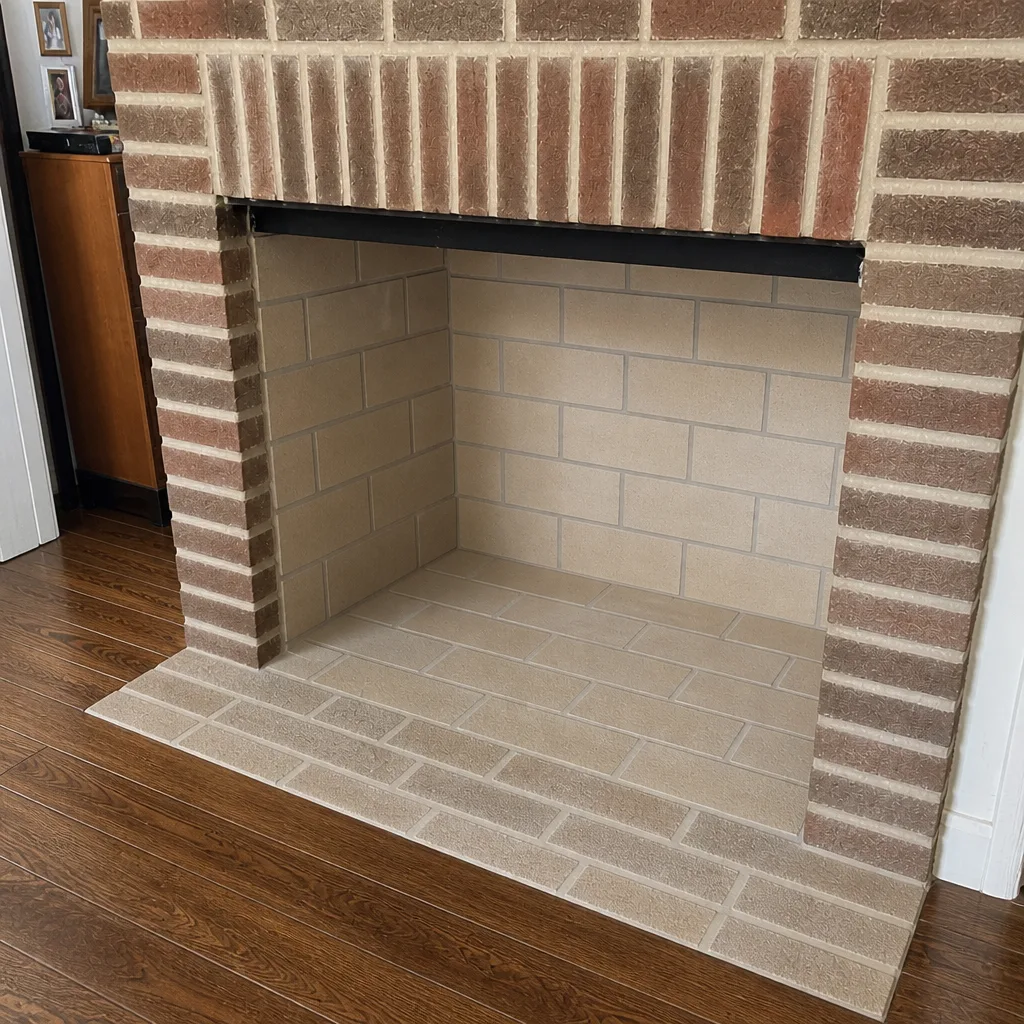
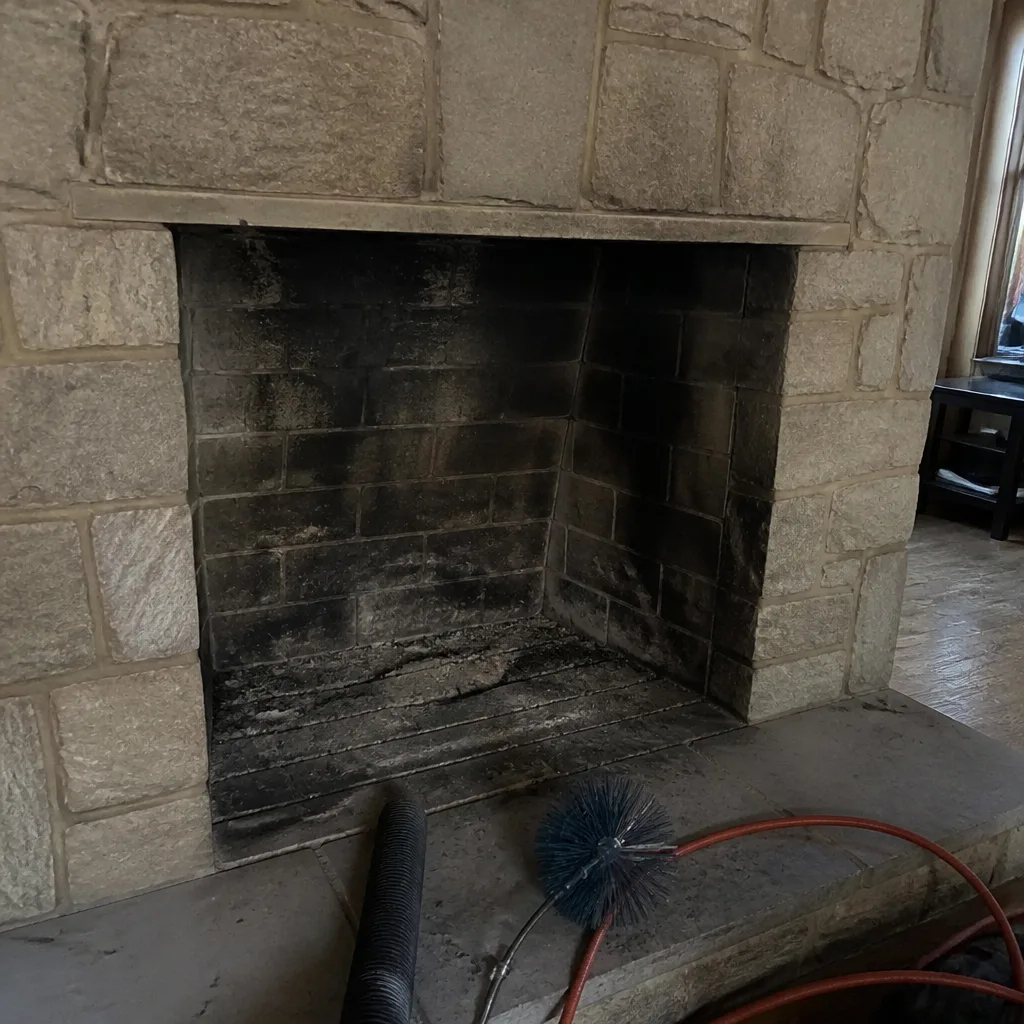
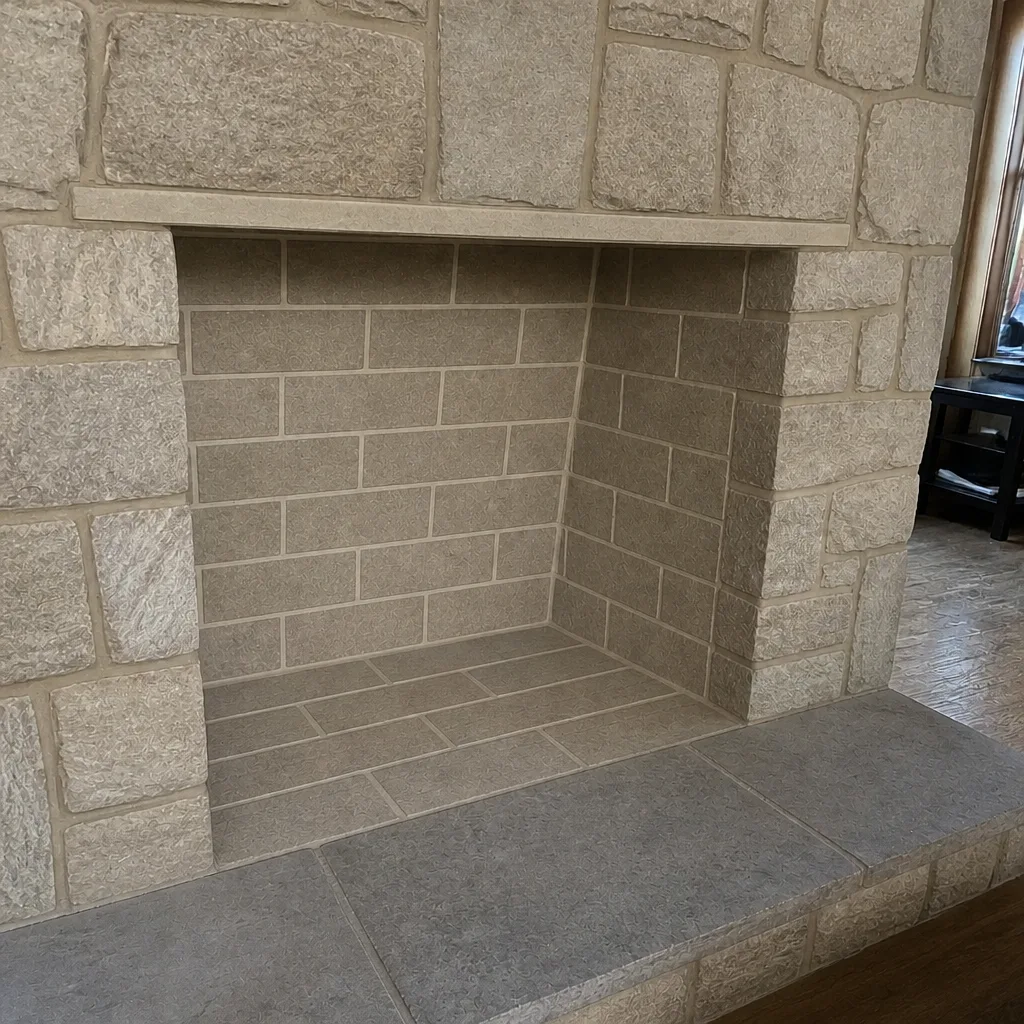
See the difference
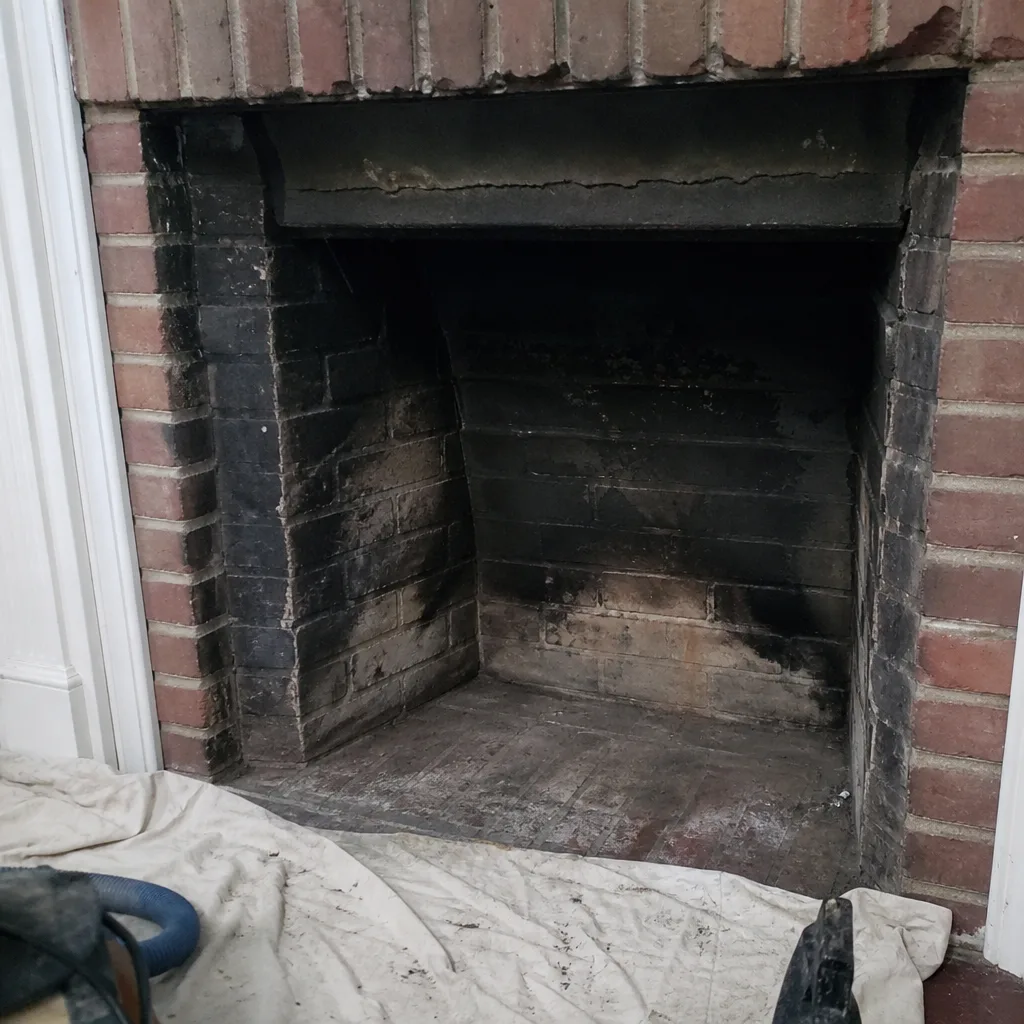 Before
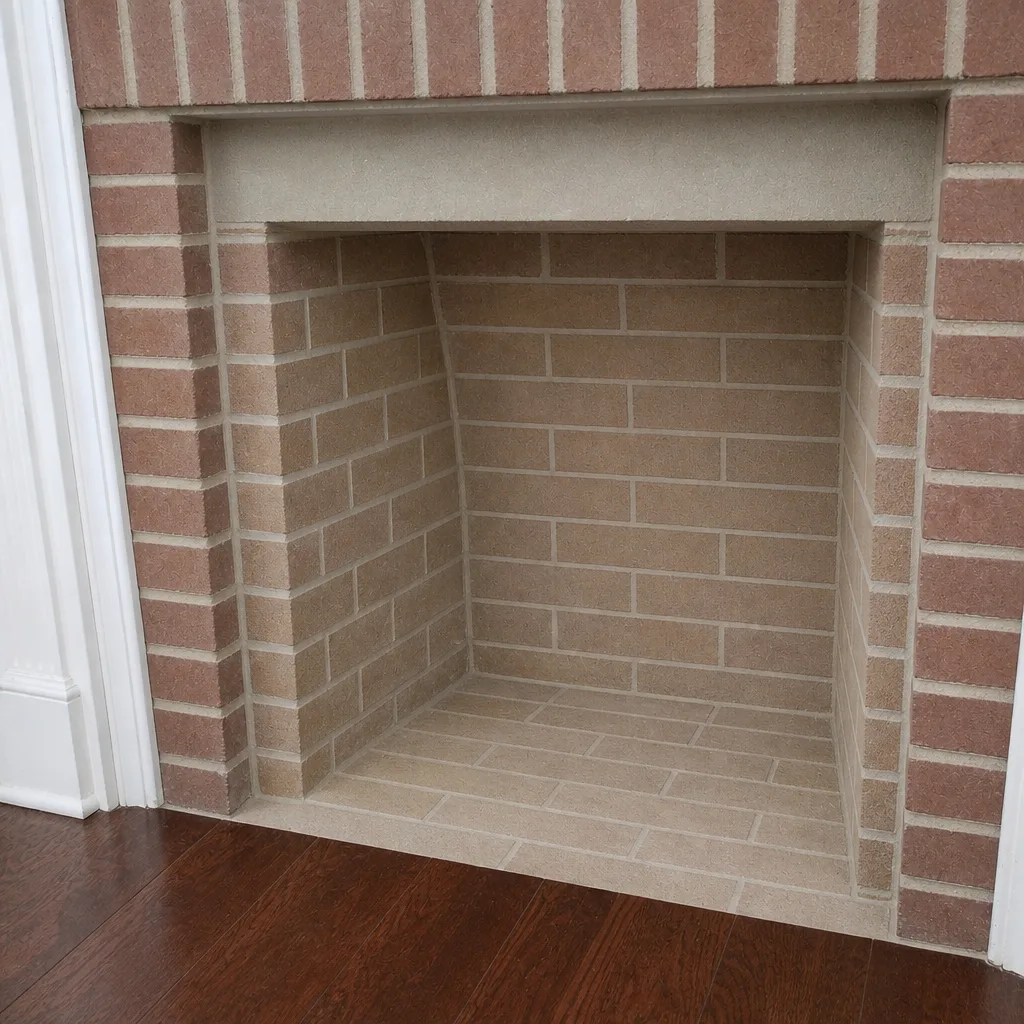 After
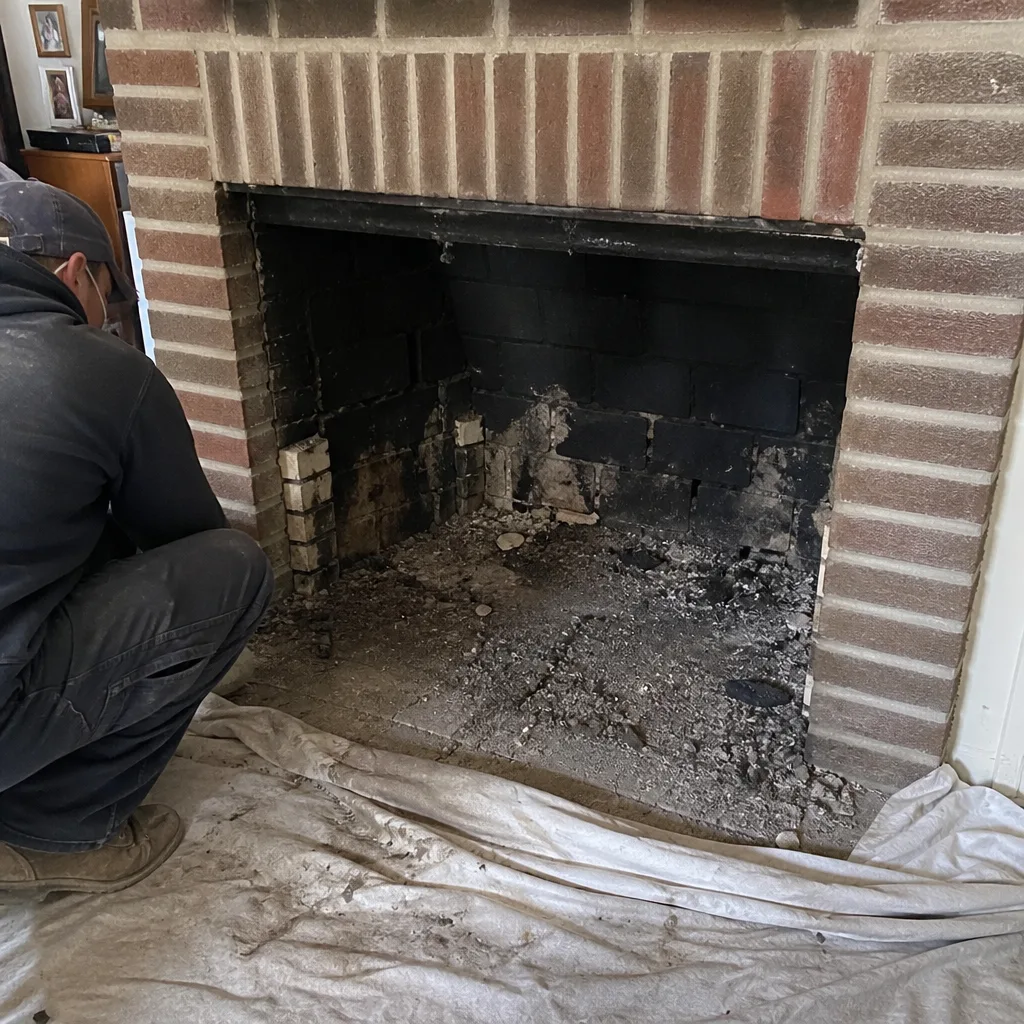 Before
 After
 Before
 After
When to Call a Professional
Some things you can check yourself: a cap that’s visibly loose, a damper that doesn’t close, soot at the firebox. Some things you can’t, and that’s where a professional visit makes the difference. Call a chimney professional if you’ve moved into a home with a fireplace and don’t know when it was last swept, if you’ve changed fuel type (switching from wood to gas or vice versa), if you’ve noticed smoke rolling back into the room, if you hear a crackling or popping sound during a fire, or if your chimney has a persistent smell between uses. Also call if it’s been a while since the last sweep and you’ve used the fireplace regularly. A sweep and inspection is a booked visit, not an emergency, but the best time to find a problem is before you need the fireplace. Chimney Sweep New Dorp offers free estimates in New Dorp. Call (855) 726-7829. We answer 24/7.
Frequently Asked Questions
Typical chimney sweep pricing runs as an estimate per job, and the written estimate sets the final price. Cleaning-only visits tend to be the lowest, cleaning plus Level I inspection sits in the middle, and a Level II visit with camera inspection is the highest of the three. For an exact number, call (855) 726-7829. Estimates are free, and the price is set by the written estimate before anyone arrives. Call for an exact quote.
Only if the evidence shows it. A liner recommendation should come with camera footage showing the specific defect, and it should explain why resurfacing won’t solve it. We use HeatShield for liner resurfacing, which can extend the life of a chimney before full relining becomes necessary, and when a liner is needed we’ll tell you why and name the system. If a contractor recommends a liner without showing you the problem, get a second opinion. Call (855) 726-7829 for a free estimate with the evidence in front of you.
A chimney serving an active wood-burning fireplace is generally swept when there’s enough creosote buildup to warrant it, which for regular use means roughly once a year, and a gas fireplace is inspected on a similar cadence. The right answer depends on how often you burn and how cleanly. A Level I inspection tells you what’s actually there. Call (855) 726-7829 to book a visit and find out what your chimney needs.
Creosote accumulates. Over time it hardens into a glazed layer that ignites more easily, and a chimney fire can damage the liner and the surrounding masonry without you realizing it happened. The other risk is carbon monoxide, which can back up into the home if the venting is compromised. Neither is a reason to panic, but both are reasons to have the chimney checked before the next season of use rather than after. Call (855) 726-7829 for an estimate.
In New York, a licensed general contractor can legally perform a chimney sweep. The question is whether they have the trade-specific knowledge and equipment to know what they’re looking at, particularly inside the flue. If the liner is deteriorating, a generalist may not have the camera or the training to catch it. Ask about CSIA certification and video inspection capability before booking, whoever you hire.
Ask whether the report is written, whether it includes photos or video, and whether it documents the condition of the flue, the smoke chamber, the cap, the crown, and the firebox. A verbal report is not a report. The written version is what lets you compare visits over time and gives the next contractor something to work from. We inspect before we recommend, and the report follows the visit.
The Bottom Line
Hiring a chimney contractor in New Dorp comes down to a few things you can verify on the phone: trade-specific credentials, real equipment including video inspection, a written report, and insurance that specifically covers chimney work. A general contractor’s license doesn’t answer those questions, and the gaps show up later. Ask the questions in this guide, compare estimates line by line, and insist on seeing the evidence before a major repair is recommended. Contractor-grade parts, spec’d correctly, plus a technician who can explain what they found, is what you’re paying for. Our technicians have up to 15 years of experience, and one call covers the whole chimney, from the sweep to the repair.
For a free estimate, call (855) 726-7829. We answer 24/7. Fast dispatch, 7am-7pm, Sunday through Friday, and closed Saturday. Chimney Sweep New Dorp is here to help you make a decision with the evidence in front of you. Start with a Chimney Sweep New Dorp visit and go from there.
Written by the team at Chimney Sweep New Dorp.