
Last updated November 25, 2026
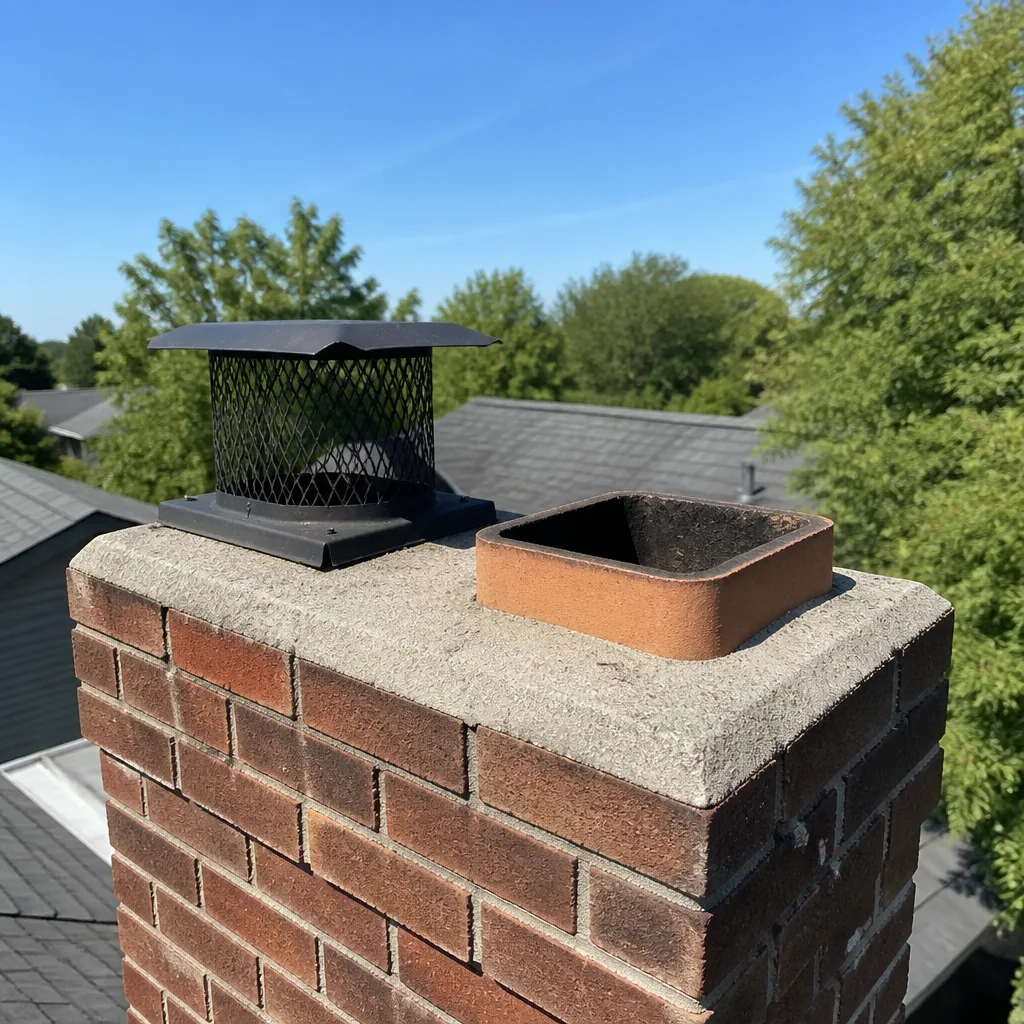 Sweep & inspection
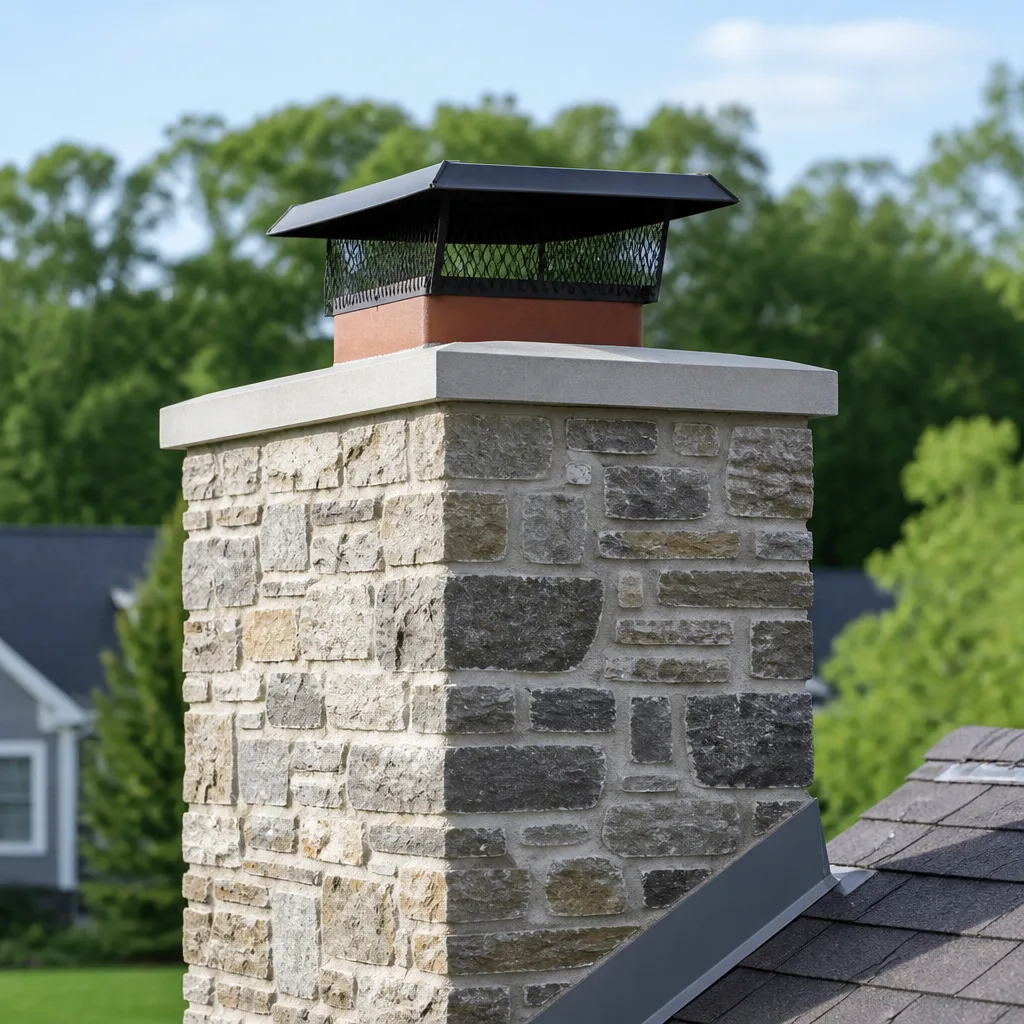 Caps & crowns
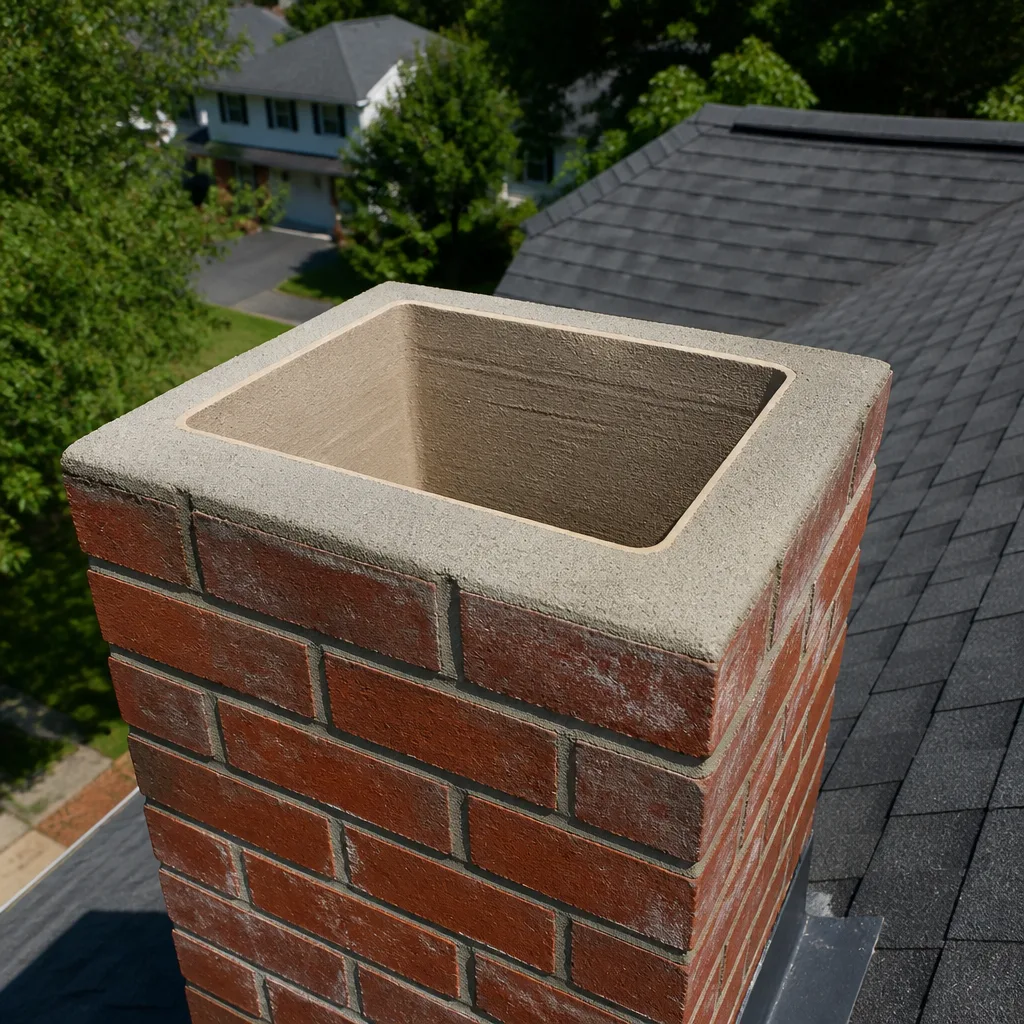 Flue relining
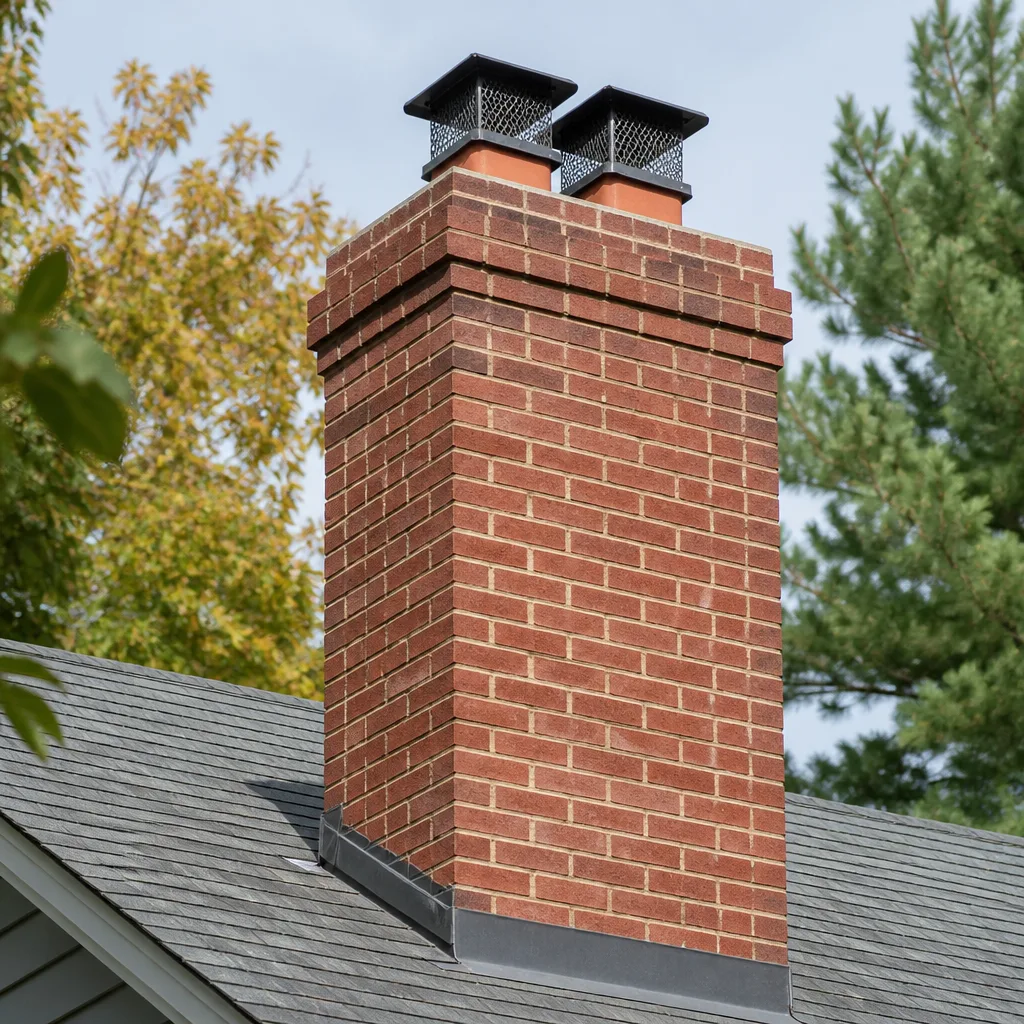 Masonry repair
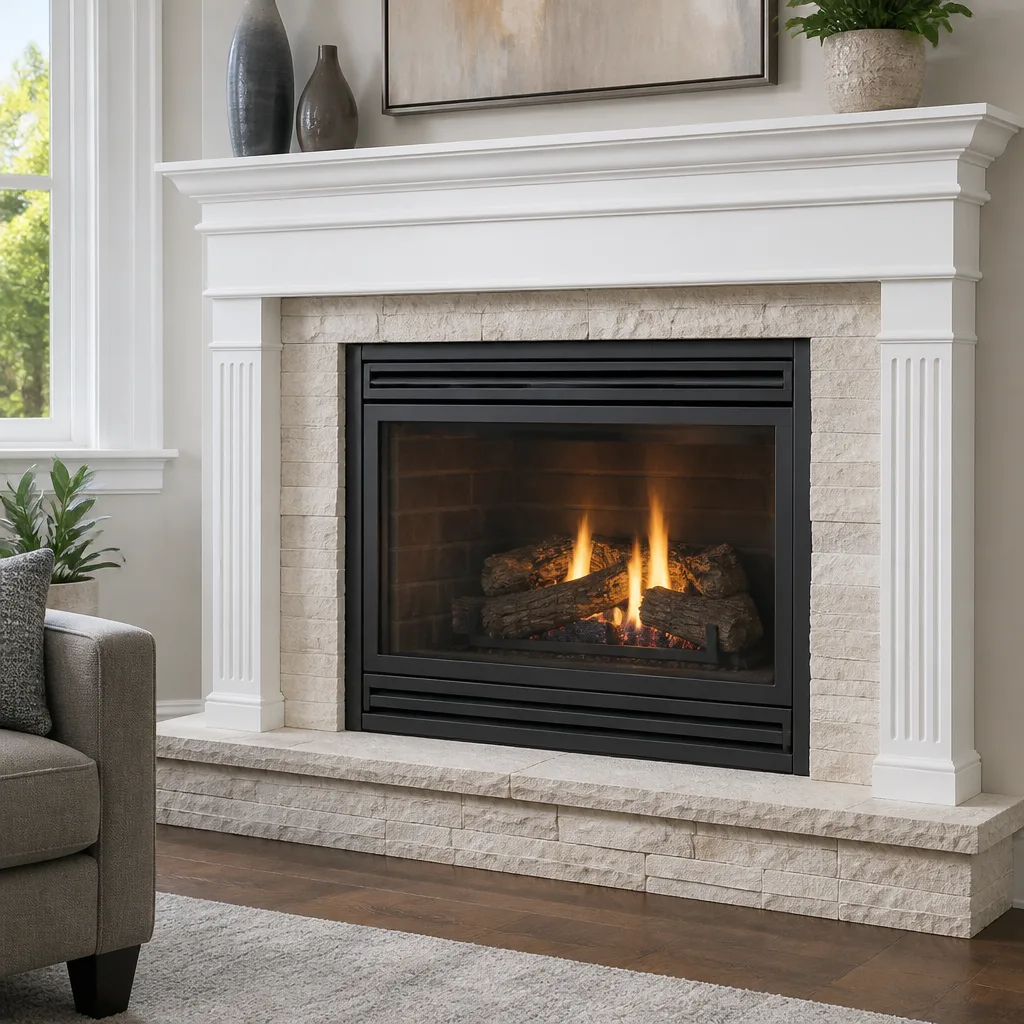 Gas fireplace service
Level 1 sweep and inspection to the NFPA 211 annual standard - flue, crown, cap, and flashing checked and photographed
Chimney sweep logs do not sweep chimneys. They loosen some creosote - which then falls where a brush and vacuum still have to collect it.
The Complete Guide to Chimney Cleaning in New Dorp
Most homeowners who had their chimney “cleaned” last year couldn’t tell you whether the technician ever looked inside the flue. They paid for a service, got a receipt, and moved on. That gap between what a sweep should include and what a basic brush-and-go actually delivers is where small problems quietly become structural repairs.
Cleaning a chimney isn’t one task. It’s a sequence: assessment, removal, verification, inspection, and documentation. Skip a step, and the whole job loses value. This guide walks that sequence from start to finish, so you know exactly what a thorough cleaning in New Dorp looks like and what to ask for before anyone steps onto your roof.
Quick Answer
A complete chimney cleaning in New Dorp is a staged process, not a single sweep: a Level 1 inspection, mechanical removal of soot and creosote with rotary tools, a post-cleaning verification scan of the flue, and a written report documenting what was found. If a technician only runs a brush up the flue and hands you a bill, the job isn’t finished. The inspection and documentation are what tell you whether your chimney is safe to use again.
Styles & brands we work with
- Sweep & inspection
- Caps & crowns
- Flue relining
- Masonry repair
- Gas fireplace service
Table of Contents
- The Three Levels of Chimney Inspection
- Creosote Stages 1, 2, and 3: Why the Tool Changes
- What a Contractor-Grade Sweep Brings to a New Dorp Job Site
- New Dorp and Staten Island Factors That Change Cleaning Frequency
- What a Completed Job Report Should Document
- The Full Cleaning Sequence, Step by Step
- How Often Does a New Dorp Chimney Need Cleaning?
- Repair-First vs. Replace: Where Resurfacing Fits
The Three Levels of Chimney Inspection
NFPA 211, the national standard for chimneys, fireplaces, vents, and solid-fuel appliances, defines three inspection levels. Knowing which one your situation calls for tells you what you’re actually paying for.
Level 1 is the standard inspection that accompanies an annual cleaning. It covers readily accessible portions of the chimney, appliance, and connector without tools that damage the structure. It’s what applies if your setup hasn’t changed and you’ve had no chimney event.
Level 2 is more thorough. It includes everything in a Level 1 plus inspection of accessible areas of the attic, crawl space, and any area the chimney passes through. A video scan of the flue is typically part of it. This level applies when you’ve changed the fuel type or appliance, after a chimney fire, after an earthquake or other event that may have damaged the structure, or when a property is being sold. Real estate transactions almost always call for a Level 2.
Level 3 is the deepest inspection, and it’s only used when a Level 1 or Level 2 uncovers a hazard that can’t be assessed without opening up parts of the structure. It’s rare, but when a contractor recommends it, they should be able to show you exactly what they saw to justify it.
- Annual cleaning, no changes: Level 1
- New appliance, fuel change, fire event, or home sale: Level 2
- A hidden defect that requires opening structure: Level 3
In New Dorp, a lot of the housing stock changes hands between families and moves across generations, which means Level 2 inspections come up more often than homeowners expect. If you’re buying or transferring a property, ask for a Level 2 up front so there are no surprises later.
Creosote Stages 1, 2, and 3: Why the Tool Changes
Creosote is the residue left behind when wood smoke cools inside the flue. It’s not a single substance, and it doesn’t come off with the same tool at every stage. The industry classifies it in three grades, and each one demands a different approach.
Stage 1 creosote is flaky, soot-like, and comes off with a standard brush and mechanical action. This is the easy end of the spectrum, and a rotary sweep handles it cleanly.
Stage 2 is the transition grade: the residue has become a hardened, crusty layer that clings to the flue walls. A standard brush skates right over it. Stage 2 creosote needs rotary systems with specialized head designs, and often a chemical treatment to soften the deposit before mechanical removal. This is where a generalist with a hand brush stops making progress and where a contractor-grade rotary setup earns its keep.
Stage 3 is a glazed, hardened residue that fuses to the flue surface, and it’s the most combustible grade. It represents an increased fire risk and requires rotary equipment combined with chemical treatments and real patience during removal. When we find stage 3, the conversation changes from maintenance to whether the flue was compromised by the conditions that created it, and that’s a video-scan question, not a guessing game.
Why this matters to you: the grade you’re at determines the tool. If a sweep arrives with only a brush and a shop vac, and your flue is at stage 2 or 3, the job won’t fully remove the deposit. Ask what grade they found and how they removed it. A thorough technician can tell you, in specific terms. If you want to understand how the cleaning ties into fireplace care, our fireplace repair page covers what happens when creosote and soot accumulate around the firebox itself.
What a Contractor-Grade Sweep Brings to a New Dorp Job Site
The difference between a professional-grade chimney service and a handyman with a brush is mostly in what’s on the job, not in the truck itself. Here’s the practical comparison.
- Rotary cleaning systems: power-driven heads that remove stage 2 and stage 3 creosote that a hand brush can’t touch.
- Video scanning equipment: a camera that lets the technician and the homeowner see the flue interior together, so findings are verified rather than described.
- Proper PPE and containment: drop cloths, HEPA filtration, and respirators, so the cleaning doesn’t spread soot into your living space.
- Purpose-built components: when a cap, crown, or component needs replacing, the right part comes from a professional supply line, not a hardware-store improvisation.
- Documentation: a written report with photos or scan images, not a verbal summary.
That last point is the one homeowners undervalue. When we recommend a repair, we show the camera evidence. You see what our technician sees before any work is approved. If a repair can safely wait, we say so. That’s what “we inspect before we recommend” means in practice, and it’s the reason a chimney sweep from a specialist feels different from a generalist visit.
We also work with professional-grade chimney brands rather than generic substitutes. HeatShield for liner resurfacing, DuraFlex for flexible liner installations, and Copperfield and Gelco for caps and components. When a part gets spec’d from a purpose-built supply line, it lasts the way it was designed to.
New Dorp and Staten Island Factors That Change Cleaning Frequency
Chimney cleaning frequency isn’t universal. The right interval depends on your fuel, your appliance, your burning habits, and where you live. In New Dorp, three factors come up again and again.
Housing Stock Age
A lot of the homes in and around New Dorp were built decades ago, and many have chimneys that have been through several owners and at least one renovation. Older flues can have offset paths, deteriorated mortar joints, or prior repairs done with the wrong materials. An annual inspection matters more in these homes because the flue has more history to uncover. If a liner has been compromised, the scan finds it before it becomes a carbon monoxide concern.
Predominant Fuel Types
Wood-burning fireplaces produce creosote continuously, and the rate depends heavily on how dry the wood is and how hot the fire burns. Gas appliances don’t produce creosote the same way, but they still need inspection for venting integrity. In a New Dorp neighborhood with a mix of wood-burning and gas fireplaces, two homes on the same block can need very different maintenance intervals. If you burn wood regularly, plan on a sweep at least annually. If you burn occasionally, an annual inspection still applies, because the flue can degrade without ever being heavily used.
Waterfront Proximity and Damp Conditions
New Dorp sits near the water, and that proximity brings humidity that affects masonry. Damp brick and mortar deteriorate faster than dry masonry, and a chimney cap or crown that’s failing lets water in where it shouldn’t. That’s one reason chimney cap & crown work comes up so often in this part of Staten Island. A properly fitted cap from a brand like Copperfield does more than keep rain out; it keeps animals and debris out and protects the flue from the moisture cycles that shorten a masonry chimney’s life.
What a Completed Job Report Should Document
A job report is your baseline. It’s what a future technician reads to understand your chimney’s history, and it’s what protects you from being told work is needed that can’t be verified.
Here’s what a thorough report includes:
- Inspection level performed (Level 1, 2, or 3) and the date.
- Fuel type and appliance connected to the flue.
- Creosote grade found (stage 1, 2, or 3) and how it was removed.
- Scan images or photos of the flue interior, before and after, if the scan was performed.
- Condition notes on the liner, mortar joints, cap, crown, and firebox.
- Findings that need attention now vs. findings that can be monitored.
- Recommended next interval for cleaning or inspection.
Ask for the report in writing, and keep it. When you have one, you can compare what a future technician says against what the prior report documented. That’s how you avoid being sold work you can’t verify. It’s also how you build a maintenance record that’s useful when a property changes hands.
The Full Cleaning Sequence, Step by Step
This is the sequence a thorough job follows. Each step depends on the one before it, which is the point.
- Pre-work assessment. The technician confirms the appliance and fuel type, checks for blockages, and sets up containment so soot doesn’t migrate into the home.
- Level 1 inspection. The accessible portions of the chimney and flue are checked before cleaning, so any pre-existing damage is documented.
- Mechanical removal. Rotary tools sized to the flue remove soot and creosote, adjusted to the grade found.
- Chemical treatment where needed. Stage 2 and 3 creosote may require a treatment to soften the deposit before the rotary pass.
- Post-cleaning verification scan. A video scan confirms the flue interior is actually clean and that no damage was uncovered during removal.
- Component check. The cap, crown, damper, and firebox are checked for condition and fit.
- Written report and walkthrough. The technician shows you the scan evidence, explains findings, and documents everything in writing.
Notice that the inspection comes both before and after cleaning. The before-inspection catches pre-existing problems; the after-inspection confirms the job is done. A cleaning that ends at step 3 leaves you without either verification.
How Often Does a New Dorp Chimney Need Cleaning?
The general rule of thumb is an annual cleaning for actively used wood-burning chimneys, and an annual inspection for any chimney regardless of fuel. That’s a starting point, not a fixed schedule.
Several conditions push the interval shorter:
- You burn wood heavily through the winter, or burn green or unseasoned wood.
- You’ve noticed smoke backing into the room, a stronger than usual smell, or a buildup of soot near the damper.
- You’ve had a chimney fire, even a small one you put out yourself.
- Your appliance or fuel has changed since the last inspection.
- You’re buying or selling the home, which warrants a Level 2.
If you burn occasionally and the last inspection was clean, an annual inspection still applies, but the cleaning interval may stretch. The inspection is what tells you which side of that line you’re on. If it’s been more than a year since anyone looked inside the flue, book a sweep before the next season gets underway.
Repair-First vs. Replace: Where Resurfacing Fits
When an inspection finds a compromised liner, the reflex is often to recommend full relining. Sometimes that’s the right call. Often it isn’t, and a repair-first approach can extend the chimney’s life at lower cost.
HeatShield is a liner resurfacing system that fills cracks and restores a smooth flue surface without full replacement. It requires specific product training and technique to apply correctly, which is why not every chimney company offers it. When the liner damage is within the range the system can address, resurfacing is a legitimate option.
When the flue path is complex or offset, a DuraFlex flexible liner may be the better fit, because rigid liners can struggle in flues that don’t run straight. The choice between resurfacing and flexible relining depends on the condition found by the scan and the geometry of your particular flue. That’s a decision we make with you, on the evidence, not around it. If a repair can wait, we tell you it can wait. If it can’t, you’ll see the reason on the scan.
Common Mistakes to Avoid
- Accepting a cleaning with no inspection. A sweep without an inspection tells you nothing about your flue’s condition. In older New Dorp homes, that’s the part that matters most.
- Assuming a hand brush handles the job. Stage 2 and stage 3 creosote need rotary tools and often chemical treatment. A brush alone leaves deposit on the flue walls.
- Skipping the post-cleaning scan. Without verification, you don’t know whether the flue is clean or whether damage was uncovered. The scan is what closes the loop.
- Hiring a generalist to save money. A handyman with a brush can’t measure, scan, or spec the right components. What looks like savings on the sweep often becomes a repair bill later.
- Ignoring the cap and crown. A failing cap or crown lets water into the masonry, and damp conditions near New Dorp’s waterfront accelerate deterioration. Have both checked during the cleaning.
- Throwing away the report. Without a written baseline, every future technician is guessing. Keep the report and compare it against the next one.
- Burning unseasoned or wet wood. Wet wood produces more creosote per fire, which shortens the interval before you need a sweep. Dry, seasoned wood keeps the fire cleaner and the deposit lower.
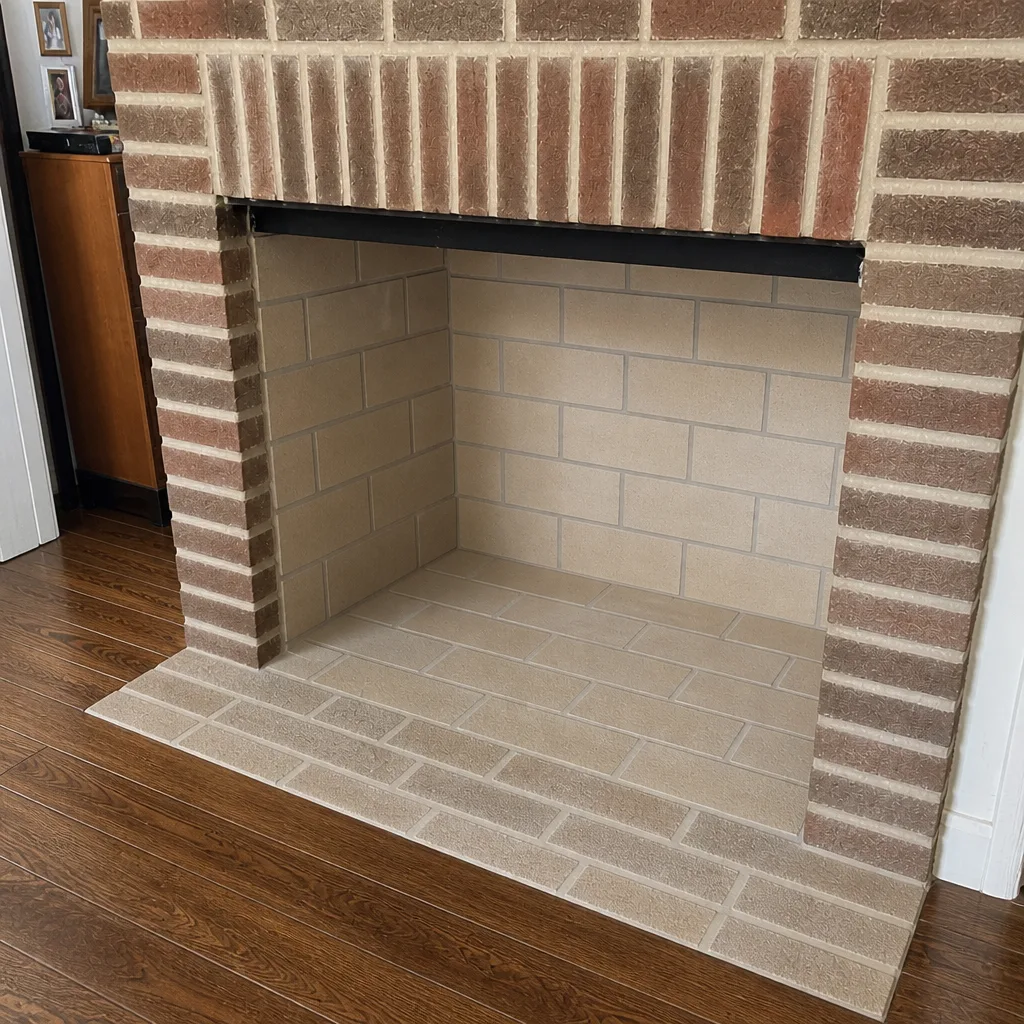
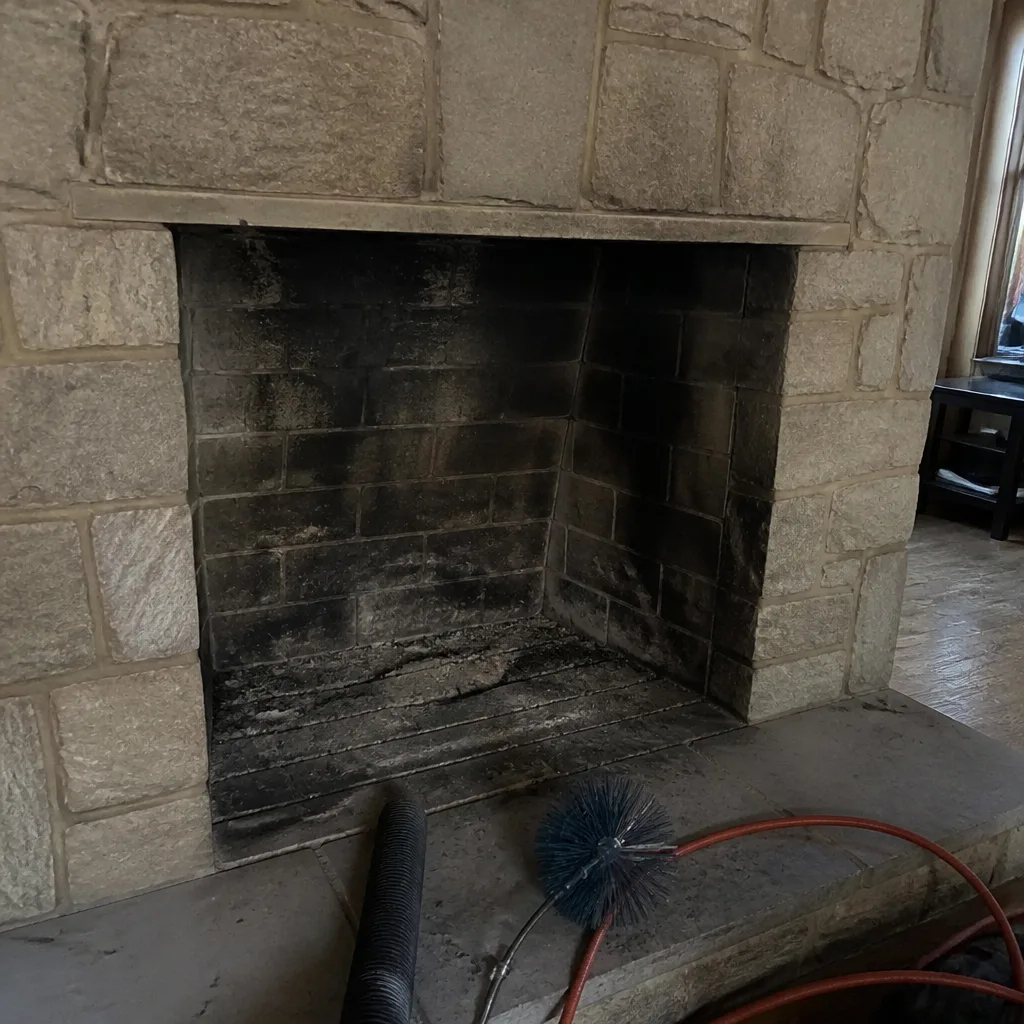
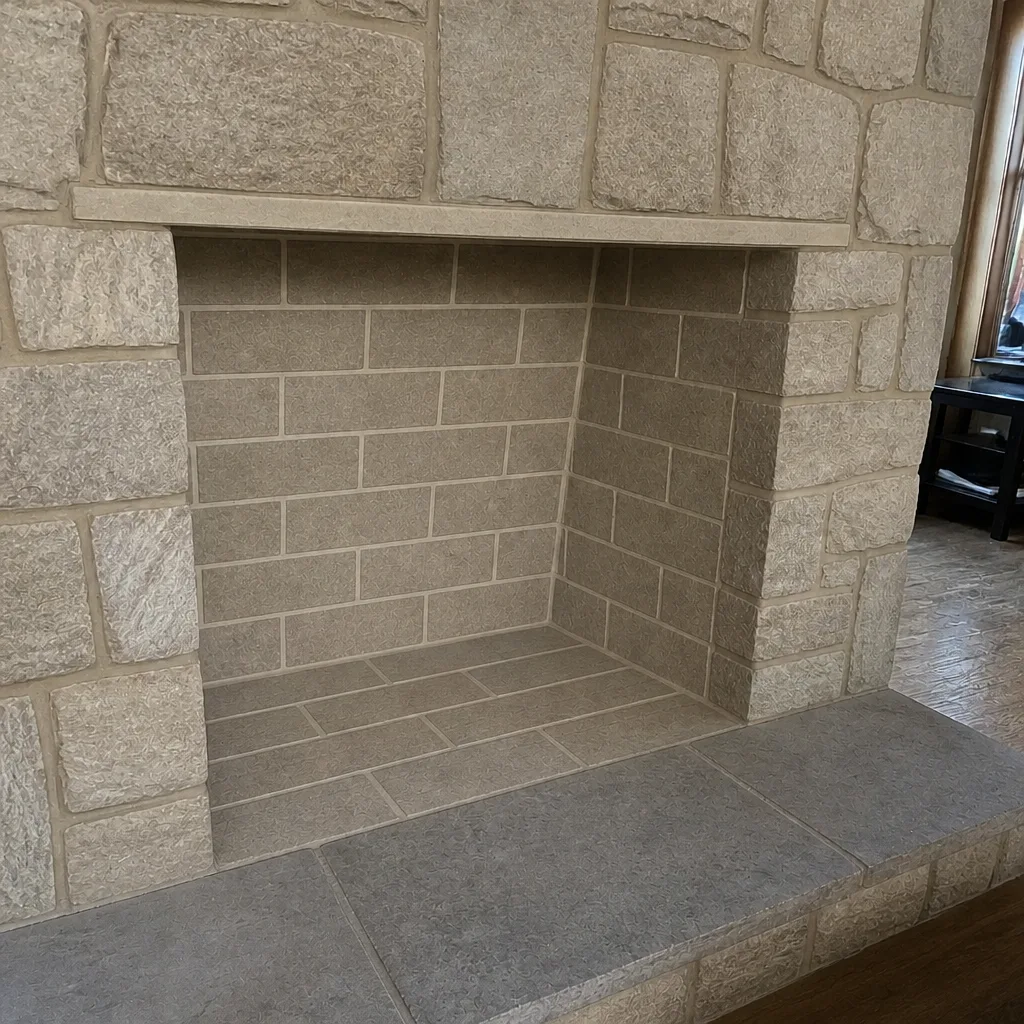
See the difference
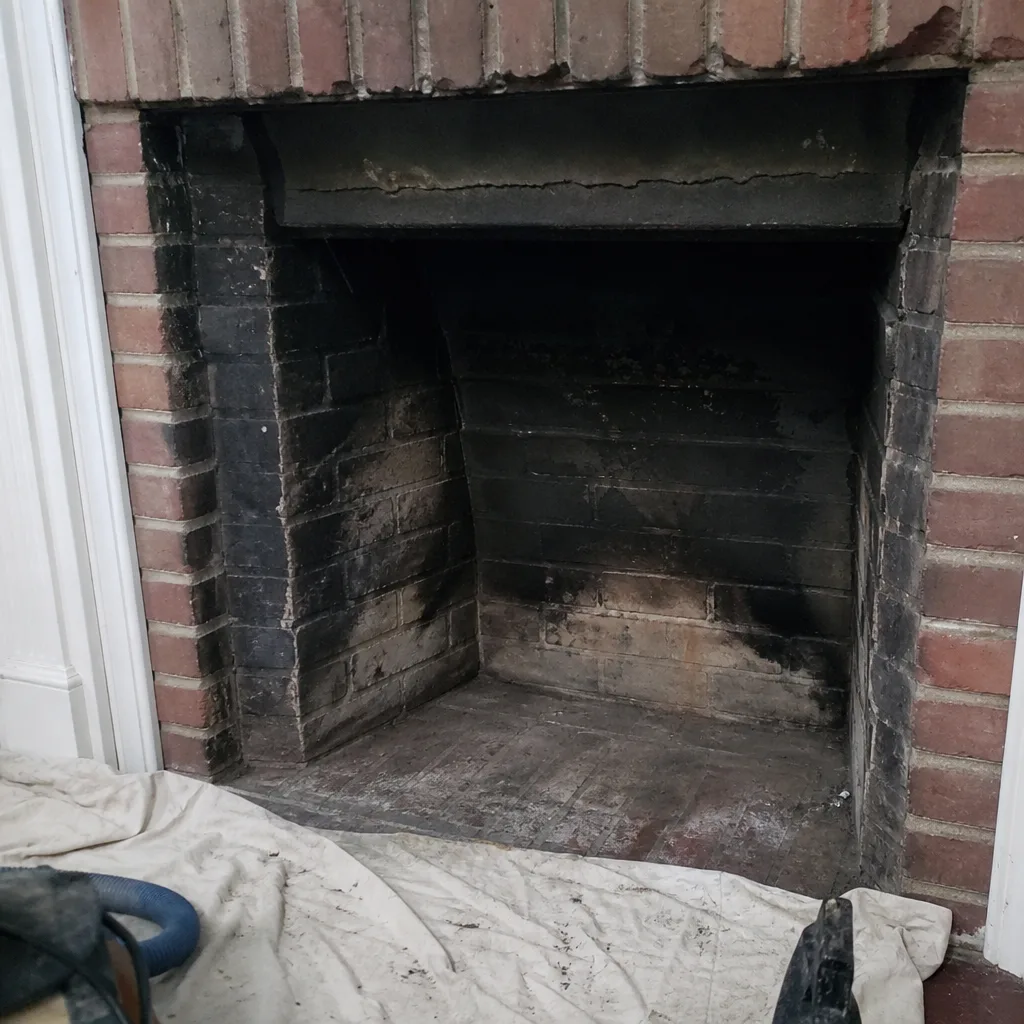 Before
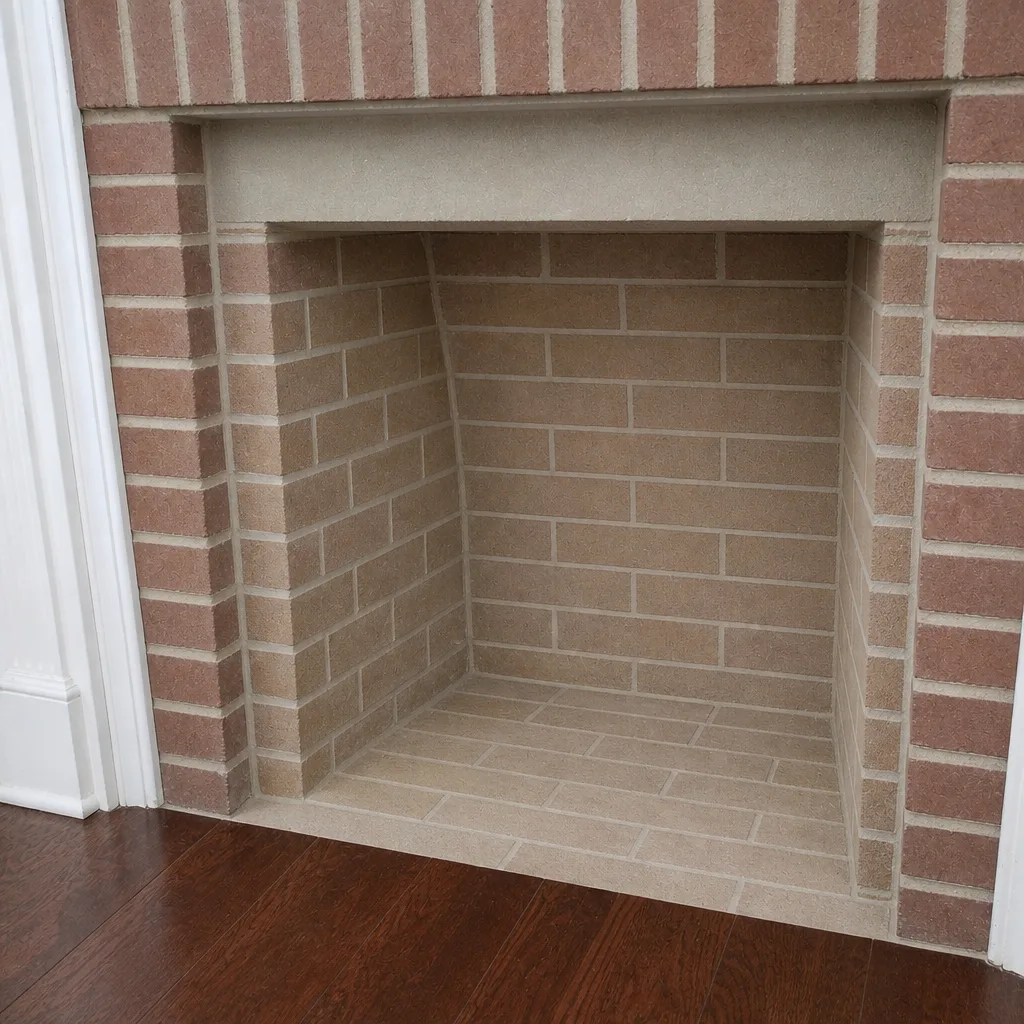 After
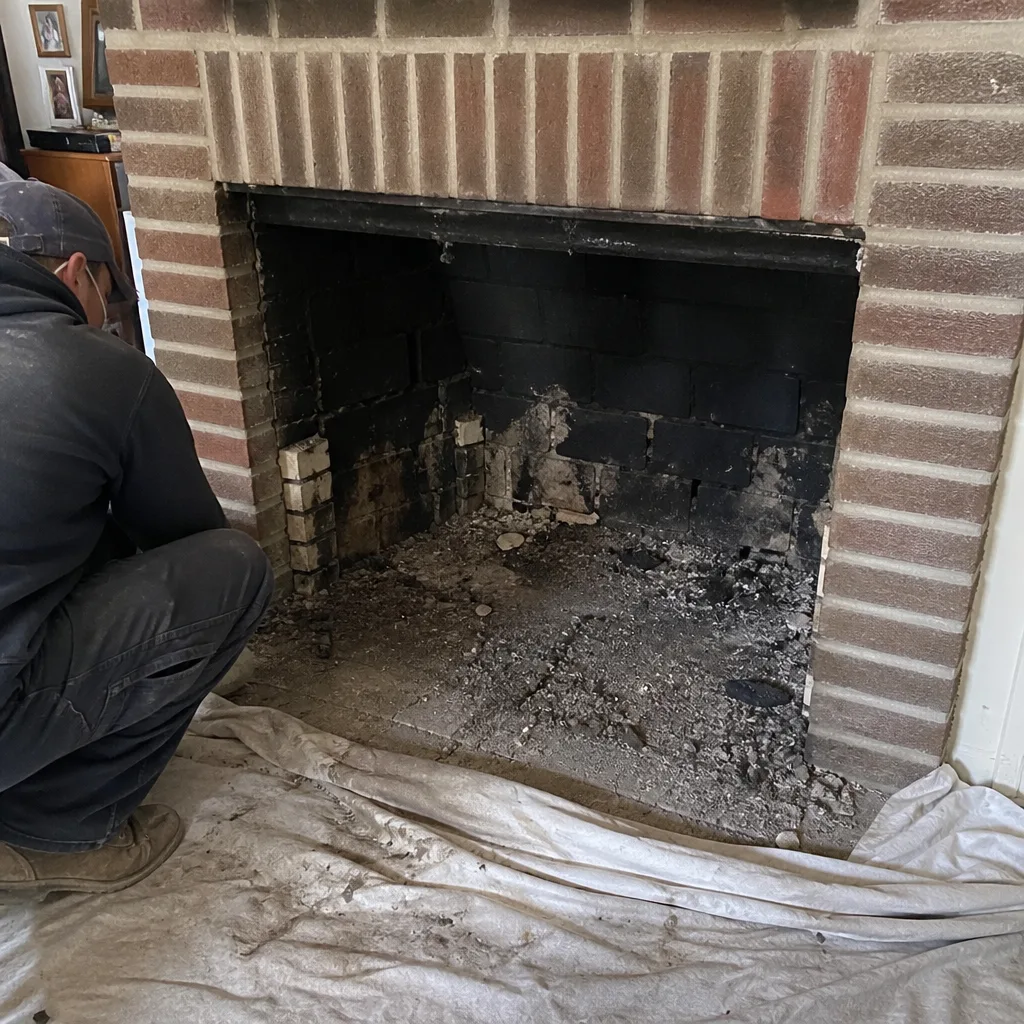 Before
 After
 Before
 After
When to Call a Professional
Call a professional if it’s been a year or more since your chimney was inspected, if you’ve noticed smoke smell in the house or soot near the damper, if you’ve had any chimney fire, if you’ve changed appliances or fuel, or if you’re buying or selling a home in New Dorp. Call immediately if you notice a strong creosote odor, visible cracking in the firebox or flue, or a draft that has suddenly worsened.
Chimney Sweep New Dorp offers free estimates in New Dorp. Call (855) 726-7829. We answer 24/7. Fast dispatch from 7am to 7pm, Sunday through Friday.
Frequently Asked Questions
Yearly. A wood-burning chimney in active use should be swept at least once a year, and any chimney should be inspected annually regardless of fuel. Homes in New Dorp with older flues or heavy winter burning may need attention sooner. Call (855) 726-7829 for a free estimate.
Creosote builds up in layers, and stage 2 and stage 3 deposits increase the risk of a chimney fire and restrict the flue’s ability to vent. A compromised flue can also allow carbon monoxide into the living space. Skipping a year doesn’t guarantee a problem, but it removes the inspection that would catch one early. Call (855) 726-7829 for an assessment.
Yes, for any job where damage is suspected or where a Level 2 inspection applies. The scan is what verifies the cleaning and gives you camera evidence you can see for yourself. Nothing gets recommended here without it.
Stage 1 is flaky and brushes off. Stage 2 is hardened and needs rotary tools and often chemical treatment. Stage 3 is glazed and fused to the flue, the most combustible grade, and requires rotary equipment plus chemical softening. The grade determines the tool, and a thorough sweep reports which grade was found.
Not to a professional standard. A generalist with a brush can’t handle stage 2 or 3 creosote, can’t scan and document the flue interior, and can’t spec purpose-built components from a professional supply line. A chimney specialist covers the whole sequence in one visit. Call (855) 726-7829.
Yes, in almost every case. A property transfer is one of the standard triggers for a Level 2 inspection under NFPA 211, because the buyer needs to understand the chimney’s condition. A Level 2 includes the attic and crawl space areas the chimney passes through, plus a video scan of the flue.
The Bottom Line
Chimney cleaning in New Dorp is a sequence, not a transaction: inspect, remove, verify, document. The inspection tells you what’s there, the cleaning removes it with the right tools for the creosote grade, the scan proves the job is done, and the report gives you a baseline for next time. A specialist covers all four; a generalist covers one. If you want a crew that works with contractor-grade systems like HeatShield and DuraFlex, specs caps from purpose-built lines like Copperfield, and shows you the scan before recommending anything, that’s worth an annual call.
Call (855) 726-7829 for a free estimate. We answer 24/7. Fast dispatch from 7am to 7pm, Sunday through Friday.
Written by the team at Chimney Sweep New Dorp.