
Last updated November 25, 2026
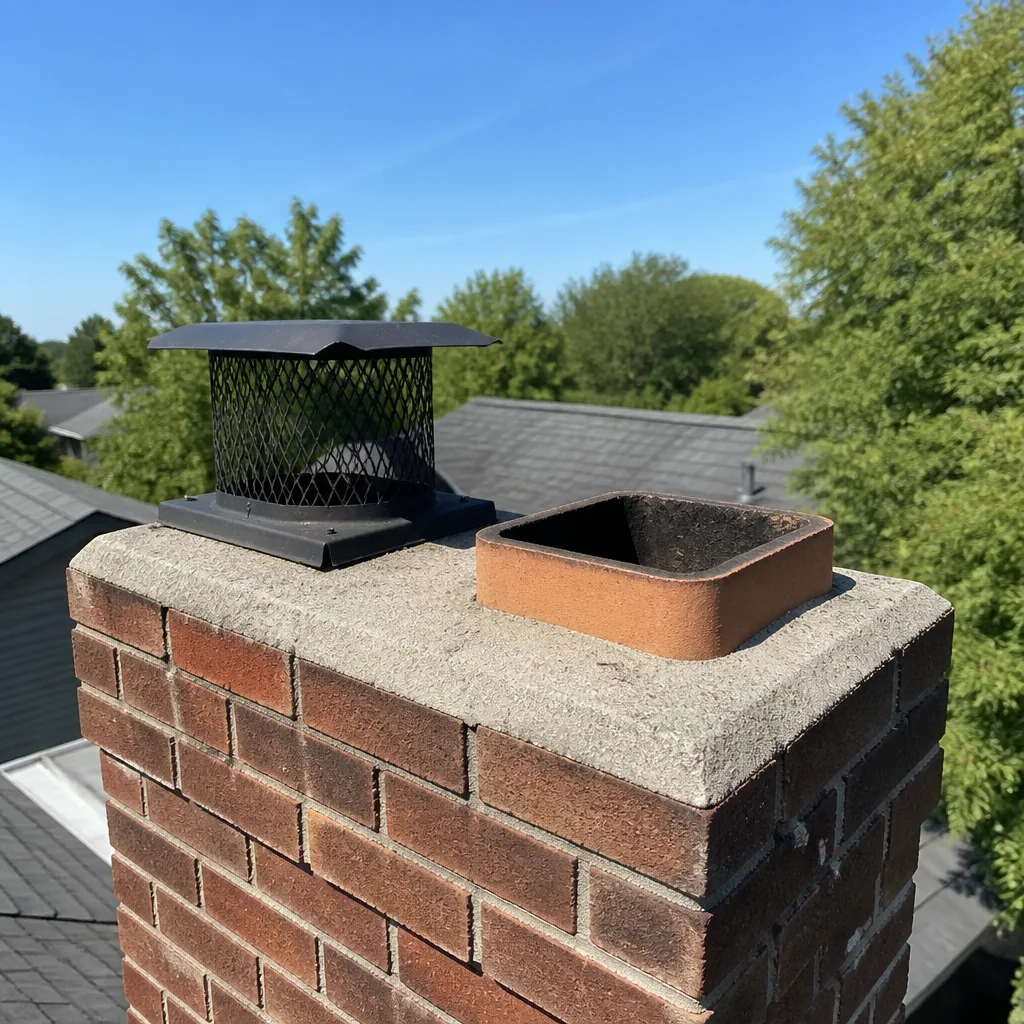 Sweep & inspection
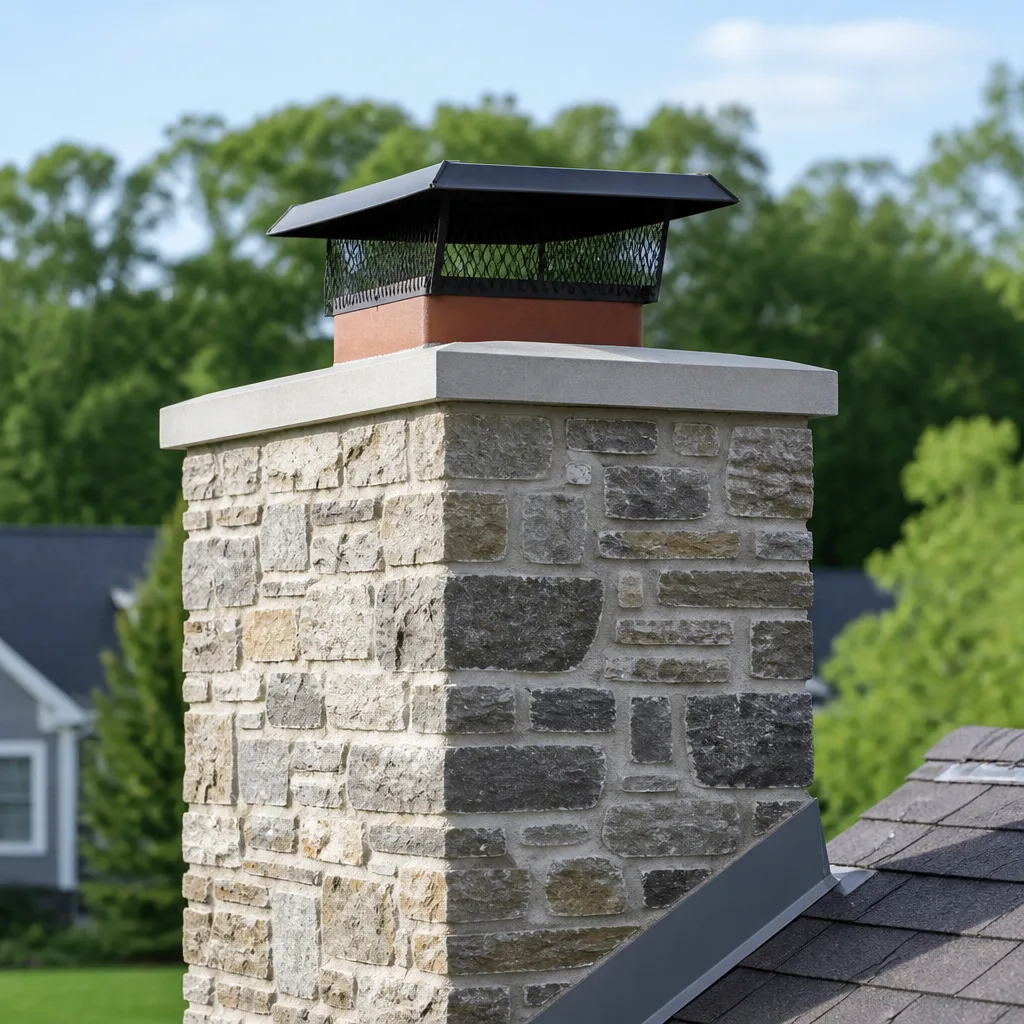 Caps & crowns
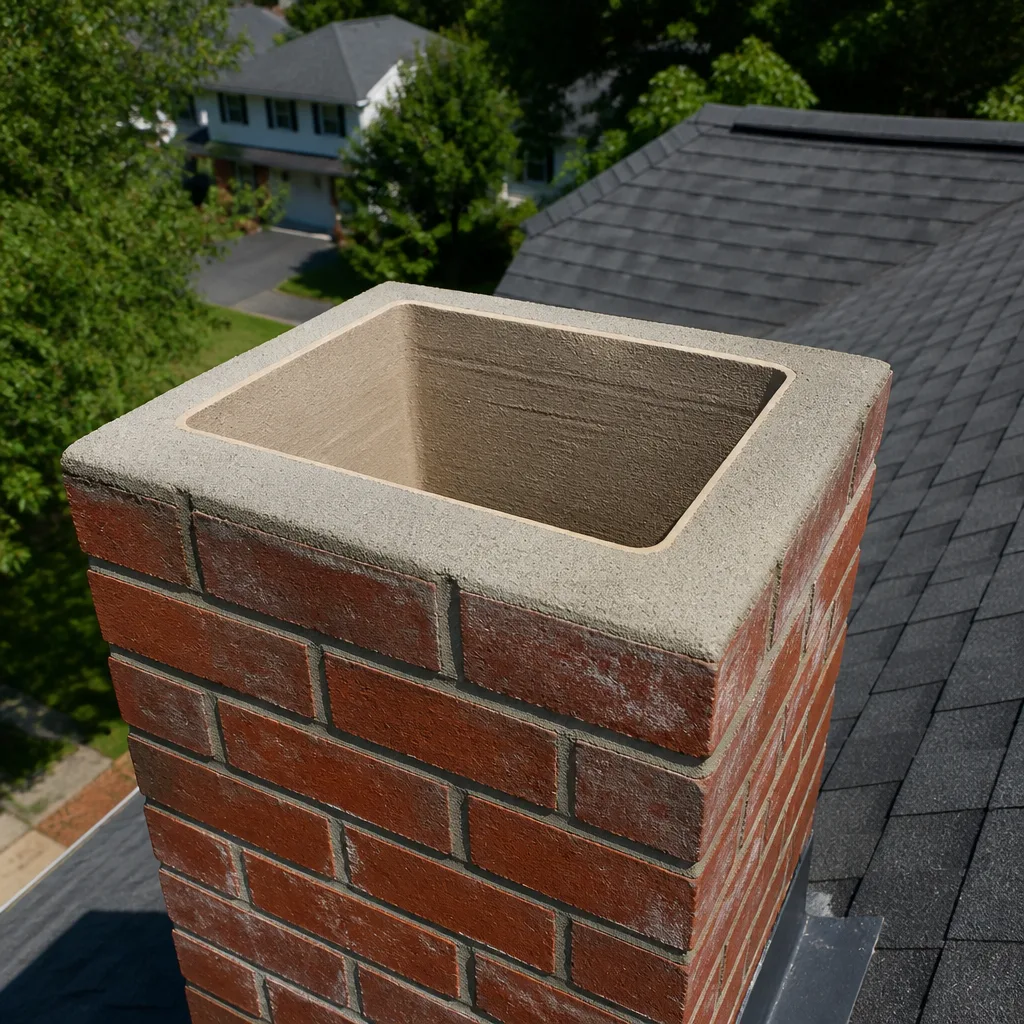 Flue relining
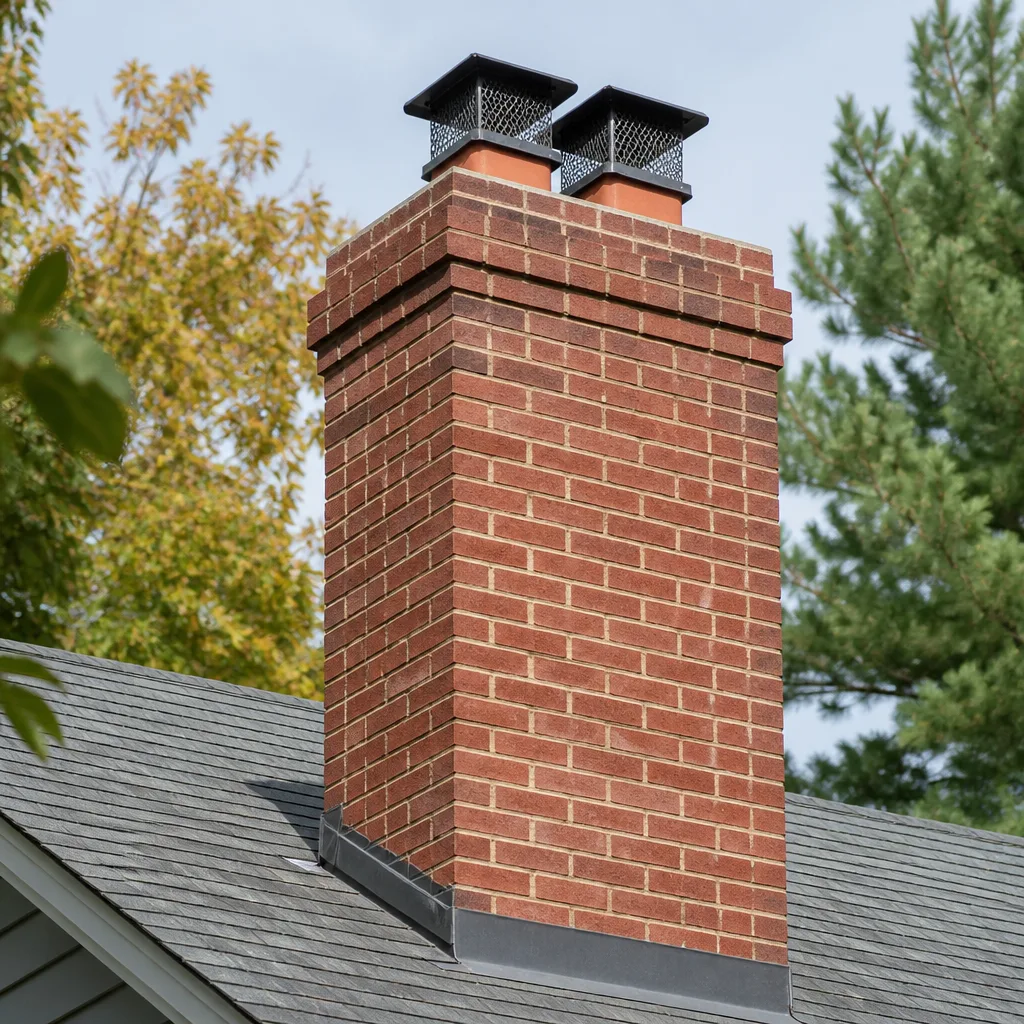 Masonry repair
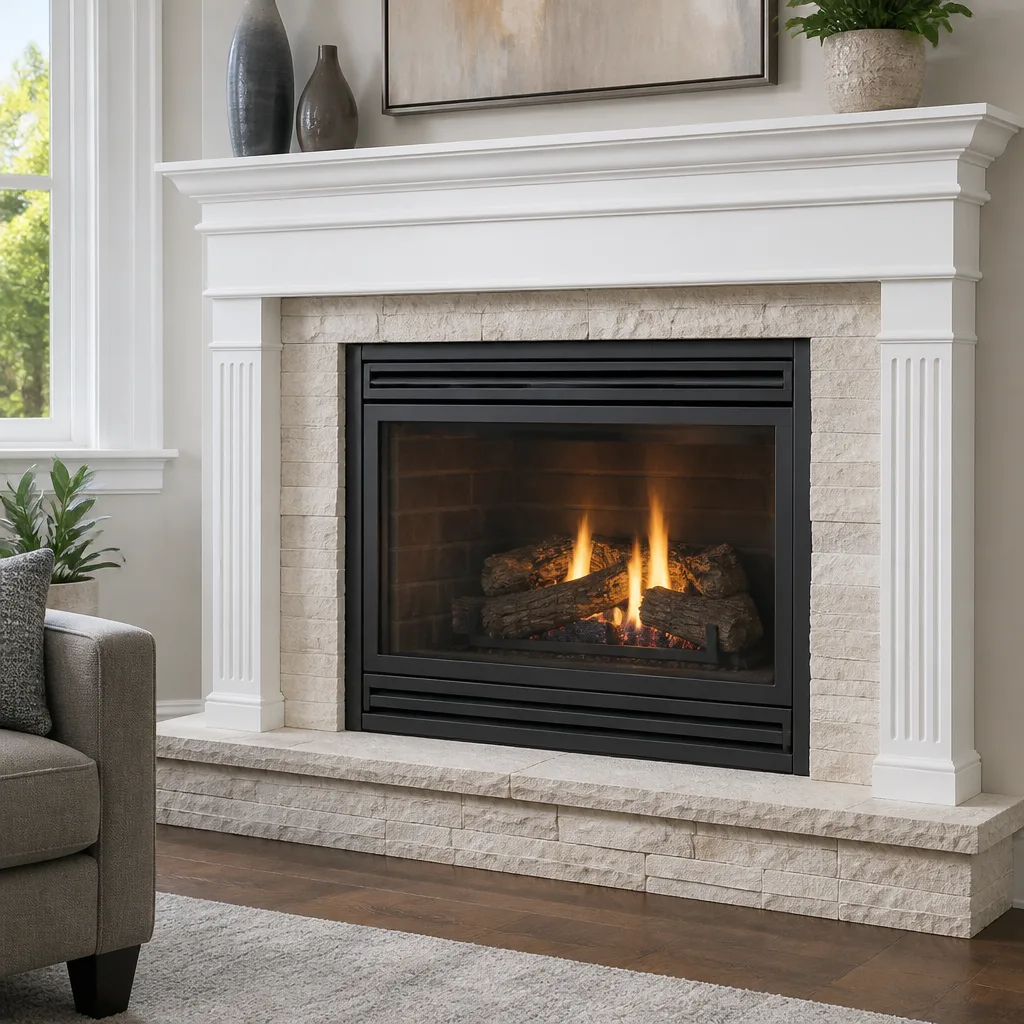 Gas fireplace service
Level 1 sweep and inspection to the NFPA 211 annual standard - flue, crown, cap, and flashing checked and photographed
Chimney sweep logs do not sweep chimneys. They loosen some creosote - which then falls where a brush and vacuum still have to collect it.
Chimney Sweep Maintenance Checklist for New Dorp Homeowners
Most chimney checklists tell you to look for cracks in the mortar and call it a day. They don’t tell you that a hairline crack in the crown and a displaced flue tile are separated by about three winters of deferred maintenance, and that the difference in repair cost between catching the first and ignoring the second is roughly $2,000. A checklist is only as useful as its ability to tell you what a finding means. That’s what this guide does. Each item is paired with a severity rating so you know whether to monitor, book a sweep, or stop using the fireplace until a technician has seen it. We’ve built this for New Dorp homeowners specifically, because the housing stock here and the way chimneys age here don’t match a generic national template.
Quick Answer
A chimney maintenance checklist for New Dorp homeowners should cover six components: crown, cap, flashing, liner, firebox, and damper. Each finding gets a severity rating – monitor, service soon, or stop use – so you know what action the observation actually requires. Most items can be checked from the ground or from inside the firebox; anything past the smoke chamber needs a camera scan from a technician. An annual sweep and inspection remains the baseline, and the written report from that inspection is what protects both your safety and your insurance coverage.
Styles & brands we work with
- Sweep & inspection
- Caps & crowns
- Flue relining
- Masonry repair
- Gas fireplace service
Table of Contents
- Why a Component-Based Checklist Beats a Seasonal One
- The Crown: Hairline Cracks vs. Structural Failure
- The Cap: What “Spec’d Correctly” Actually Means
- Flashing: The Leak Source Most Homeowners Miss
- The Liner: When Resurfacing Works and When It Doesn’t
- The Firebox: Reading Brick and Mortar Joints
- The Damper: A New Dorp-Specific Concern
- Building a Documentation Record That Follows the Home
Why a Component-Based Checklist Beats a Seasonal One
Seasonal checklists (spring this, fall that) are organized around when a homeowner happens to be thinking about the chimney. Component checklists are organized around how a chimney actually fails. That distinction matters, because the timing of a failure has nothing to do with the calendar. A crown can develop a crack in July and stay invisible until the first fall rain finds it. A damper can seize in the off-season from disuse, not from use.
We inspect before we recommend, which means the order of a proper assessment runs bottom-up and component by component:
- Firebox and damper – what you can see standing inside the hearth.
- Smoke chamber – where the firebox narrows toward the flue; needs a light and mirror, ideally a camera.
- Flue and liner – the full run of the flue, checked with a camera scan.
- Cap and crown – the top of the chimney, checked from the roof.
- Flashing – the roof-to-chimney junction.
For each finding, we assign one of three severity ratings. Knowing these three categories before you start is what turns a checklist from a list of worries into an action plan.
- Monitor – a normal wear item. Note it, re-check next year, change nothing.
- Service soon – book a professional within a few weeks. Do not defer past the next burning season.
- Stop use – do not light a fire until a technician has inspected. This applies to displaced flue tiles, visible liner gaps, and rust-through on a metal liner.
Everything that follows uses these three ratings. If a chimney professional you hire doesn’t tell you which category a finding falls into, ask them directly.
The Crown: Hairline Cracks vs. Structural Failure
The crown is the concrete or mortar cap at the very top of the chimney, sloped to shed water away from the flue opening. It’s a wear component, not a permanent fixture, and it takes the most weather abuse of anything in the system. Most crown failures start as a spider crack you’d need to look for with a light. They become a structural problem when water gets under the crown, freezes, and lifts the concrete away from the flue.
How to rate what you find
- Hairline crack, less than 1/16 inch, no displacement – Monitor. Sealing may be worthwhile but isn’t urgent.
- Crack wider than 1/8 inch, or the crown is separating from the flue – Service soon. Water is entering.
- Visible spalling (flakes of concrete coming off), or the crown is essentially flat or sloping toward the flue – Service soon to stop use, depending on how much water has already entered.
- Vegetation growing out of the crown – Stop use. This signals a long-standing leak has been feeding roots.
From the ground with binoculars, you can see the crown’s outline and any obvious spalling. You cannot see hairline cracks or determine whether water is getting under it. That’s the hard line where ground observation ends and a roof-level look begins.
The point about the three winters is this: a hairline crown crack resealed early is a small repair. Left alone, water migrates down into the masonry, the freeze-thaw cycle widens it, and the flue tile beneath becomes susceptible to displacement – at which point you’re looking at crown rebuild plus liner work. The gap is real, and it grows quietly.
When we rebuild or replace a crown, we use purpose-built crown mixes from professional supply lines rather than bagged mortar. A crown that’s the wrong mix or the wrong slope is worse than no crown at all, because it directs water into the flue instead of away from it. chimney cap & crown work is one of the first things we assess on any inspection.
The Cap: What “Spec’d Correctly” Actually Means
A chimney cap is a metal or masonry cover that sits on top of the flue, keeping rain, animals, and debris out while allowing smoke to escape. It’s the cheapest component to replace and the one most often fitted incorrectly. “Spec’d correctly” means three measurements, not a size off a shelf: the flue’s outside dimension, the flue’s inside dimension, and the height of the cap above the flue to clear smoke draft properly.
The severity ratings for caps are simpler than for most other components:
- Missing cap entirely – Service soon. Rain entry accelerates crown and liner degradation.
- Loose or tilted cap, or rust-through on a metal cap – Service soon. Wind-driven rain and animal entry become likely.
- Mesh broken or missing on a spark arrestor – Monitor to service soon, depending on nesting activity.
- Cap wrong size, resting loosely on the flue – Service soon. A cap that doesn’t fit tight can blow off in a storm and, in the meantime, doesn’t seal.
From the ground you can confirm the cap exists, its general shape, and whether it’s tilted. You cannot verify fit, seal, or mesh integrity. We fit caps from purpose-built chimney supply lines including Famco and Copperfield, which means the cap is measured to your flue instead of improvised from hardware-store stock. A stainless steel cap on a flue that needs a copper cap, or vice versa, is a mismatch that shows up as corrosion within a few years.
Caps matter for insurance in a quiet way most homeowners don’t realize: animal or water entry that leads to a firebox or liner repair is often excluded from claim coverage as a maintenance issue. A properly fitted cap is the single cheapest way to reduce that exposure.
Flashing: The Leak Source Most Homeowners Miss
Chimney flashing is the metal seal where the chimney meets the roof. It’s not a chimney component in the fire-safety sense, but it’s the source of more “chimney leak” calls than any other single item. Water entering at the flashing often runs down the outside of the flue and shows up as staining on the ceiling somewhere else in the house, so homeowners blame the roof instead of the chimney.
What you can check from the ground with binoculars:
- The presence of step flashing on the chimney’s sides.
- A visible apron (the L-shaped metal piece at the front of the chimney base).
- An obvious gap or missing section.
- Rusted-through metal.
What you cannot check from the ground: whether the flashing is bedded into a mortar joint or just tucked under the shingles; whether the counter-flashing is set into the masonry; whether the layers beneath are actually intact. That requires getting on the roof.
Severity ratings for flashing:
- Rusted but intact – Monitor. Note it and plan replacement within the next few years.
- Visible separation or missing step flashing – Service soon. Water entry is active.
- Active interior staining during rain – Service soon to stop use, because water may already be entering the flue system.
Flashing repair done wrong is worse than none, because a bad repair hides the entry point. We’ve seen plenty of “repaired” flashing on New Dorp chimneys where the sealant had simply been smeared over the joint instead of the metal re-bedded. When we work on flashing we re-bed it into the mortar, not around it.
The Liner: When Resurfacing Works and When It Doesn’t
The flue liner is the interior wall of the chimney. On older homes it’s typically clay tile; on newer or relined chimneys it’s a metal liner. The liner’s job is to contain combustion gases and route them out without exposing the surrounding masonry to heat and creosote. A compromised liner is the single most serious finding on any inspection.
What you can observe yourself
From inside the firebox with a strong light and a mirror, you can look up into the smoke chamber and the lower flue. You can see:
- Visible cracks in clay tiles at the bottom of the run.
- Spalling tile surfaces.
- Rust stains on the inside of the firebox (indicates water entry from above).
- Obvious gaps between tiles.
You cannot see the middle or top of the flue from the firebox. This is the hard line. A camera scan is the only way to see the full run, and it’s the only way to answer the question “do I really need a new liner?” with confidence.
Severity ratings for the liner
- Hairline cracks in clay tiles, no displacement, no gaps – Monitor. Note the finding.
- Displaced tile or visible gap – Stop use. A gap allows heat and gases to reach the masonry.
- Metal liner with visible rust-through or seam separation – Stop use.
- No liner at all in an older chimney – Stop use until assessed.
Not every compromised liner needs full replacement. HeatShield is a resurfacing system that rebuilds the interior of a flue with a specialist compound rather than inserting a new liner. It’s not right for every chimney – a badly displaced tile run generally can’t be resurfaced – but where it applies, it extends the chimney’s life without the cost of full relining. We’re set up to apply HeatShield, which is a technique-heavy job, not a general-purpose coating.
Where full relining is needed, DuraFlex flexible liner systems are the preferred solution for chimneys with offset or complex flue paths. A rigid liner can’t negotiate a jog in the flue; a flexible liner can, but it has to be measured and spec’d correctly. That’s a job for a technician, not a weekend project. chimney sweep visits often turn up liner questions that only a camera scan can settle.
The Firebox: Reading Brick and Mortar Joints
The firebox is where the fire actually burns, and it takes the most direct heat. Its failure pattern is different from the flue’s: firebox brick and mortar joint deterioration is thermal, not weather-driven. That means you’ll see it as crumbling or recessed mortar joints, cracked firebrick, or white powdering on the brick surface.
What you can assess from inside the firebox:
- Joint depth – run a fingertip along a mortar joint. If the joint is recessed more than 1/4 inch below the brick face, it needs repointing.
- Firebrick cracking – hairline cracks in firebrick are normal; cracks that displace the brick or go all the way through are not.
- White powdering (efflorescence) – indicates moisture migrating through the masonry. Rate as service soon.
- Missing firebrick – any gap where brick should be is a stop-use finding.
Repointing a firebox is not a masonry default – it requires a refractory mortar rated for the heat. Standard mortar will fail in a season. fireplace repair is a distinct job from chimney repair for exactly this reason.
Severity ratings:
- Recessed joints under 1/4 inch, hairline firebrick cracks – Monitor.
- Joints over 1/4 inch recessed, or efflorescence – Service soon.
- Displaced firebrick, missing brick, or a crack through a brick body – Stop use.
The firebox is also the place where CO detectors become relevant, discussed in the FAQ below.
The Damper: A New Dorp-Specific Concern
A damper is the movable plate that seals the flue when the fireplace is not in use. It’s what keeps heated indoor air from escaping up the chimney and what keeps cold air from coming down it. There are two main types: throat dampers (a plate hinged at the top of the firebox, operated by a handle or a pull chain) and top-mount dampers (a cap-mounted unit operated from below).
New Dorp’s older housing stock trends toward throat dampers, and those wear in ways top-mount dampers don’t:
- The hinge pivot rusts and seizes. The damper stops opening fully, which reduces draft and can force smoke into the room.
- The frame warps from heat cycling. A warped throat damper doesn’t seat flush, so it stays partly open even when “closed.”
- The operating handle or chain separates from the plate. The damper is stuck in whatever position it was last in.
- Creosote binds the plate. A damper that hasn’t been swept in several years can be glued shut by creosote on the plate edges.
What you can check yourself: whether the damper opens and closes fully with normal effort, whether it seats flat when closed (shine a light up from below and see if light passes around the edges), and whether the handle responds without binding. What you can’t check: whether the frame is warped, whether the plate has heat damage, or whether creosote is binding from above.
Severity ratings:
- Stiff but functional – Monitor. Note it and try working it gently once a month during the off-season.
- Won’t open fully, or won’t seat flat when closed – Service soon.
- Stuck open or stuck closed – Service soon. A damper stuck open wastes heat all winter; a damper stuck closed means you can’t use the fireplace safely.
Replacing a damper is a small job when it’s a top-mount unit and a more involved job when it’s a throat damper set in masonry. We stock and fit components from Gelco and Olympia Chimney for exactly this reason – a damper that’s the wrong size for the firebox opening is a chronic misalignment.
Building a Documentation Record That Follows the Home
The single most underrated part of chimney maintenance is the paper trail. A chimney with a documented inspection history is worth more at resale, insures more easily, and takes less guesswork to maintain. A chimney with no history is a negotiation point at best and a surprise at worst.
Every inspection should produce a written record containing the following. If a technician doesn’t offer to leave one, ask for it before they pack up.
- Date and inspector. Who looked and when.
- Method. Visual, camera scan, or both. Note what was actually scanned and what wasn’t.
- Component-by-component findings. Each item listed with its severity rating (monitor / service soon / stop use).
- Photo or video evidence. For any finding above “monitor,” the image or the camera footage should be provided and reviewable by the homeowner.
- Recommended actions with timing. “Repoint firebox joints before next season” is specific. “Repointing recommended” is not.
- Work performed this visit. What was actually done, not what was discussed.
- Next inspection due. A specific target, not “in a year or so.”
Keep these in a single folder – physical or digital – and pass them to a buyer at sale. In New Dorp, where many homes change hands within families, that record is often the only thing preventing a new owner from inheriting a deferred crown issue as a surprise cost.
We include a camera inspection and photo report as standard, because a written finding without an image is hard to trust and easy to dispute.
Common Mistakes to Avoid
- Treating all cracks as equal. A hairline crown crack and a displaced flue tile look like they belong in the same conversation, but they’re separated by years of deferred maintenance and, in most cases, well over $1,000 in repair scope. Reading them together under “cracks” is how homeowners defer the wrong one.
- Trusting a sweep that doesn’t include a camera scan. A brush sweep clears creosote. It tells you nothing about the liner’s middle and upper run. In older New Dorp homes especially, the only reliable liner verdict comes from a camera.
- Assuming the roof is always the leak source. Chronically, the flashing at the chimney base is the actual entry point, and a roofing repair won’t address it. If water appears at the ceiling and the roof has just been redone, suspect the flashing.
- Skipping the cap because it “looks fine.” A cap that’s the wrong size or resting loose on the flue looks fine from the driveway and seals poorly from above. “Spec’d correctly” is a measurement question, not a cosmetic one.
- Using standard mortar in the firebox. Refractory mortar is required; standard mortar fails within a season and can leave the joint worse than before.
- Not keeping a written record. A chimney with no inspection history is a hard sell and a harder insurance conversation. The paper trail is part of the maintenance.
- Assuming a CO detector substitutes for an inspection. A CO detector alerts you to a problem that’s already happening. It doesn’t prevent one, and it doesn’t tell you whether the liner is compromised. See the FAQ below.
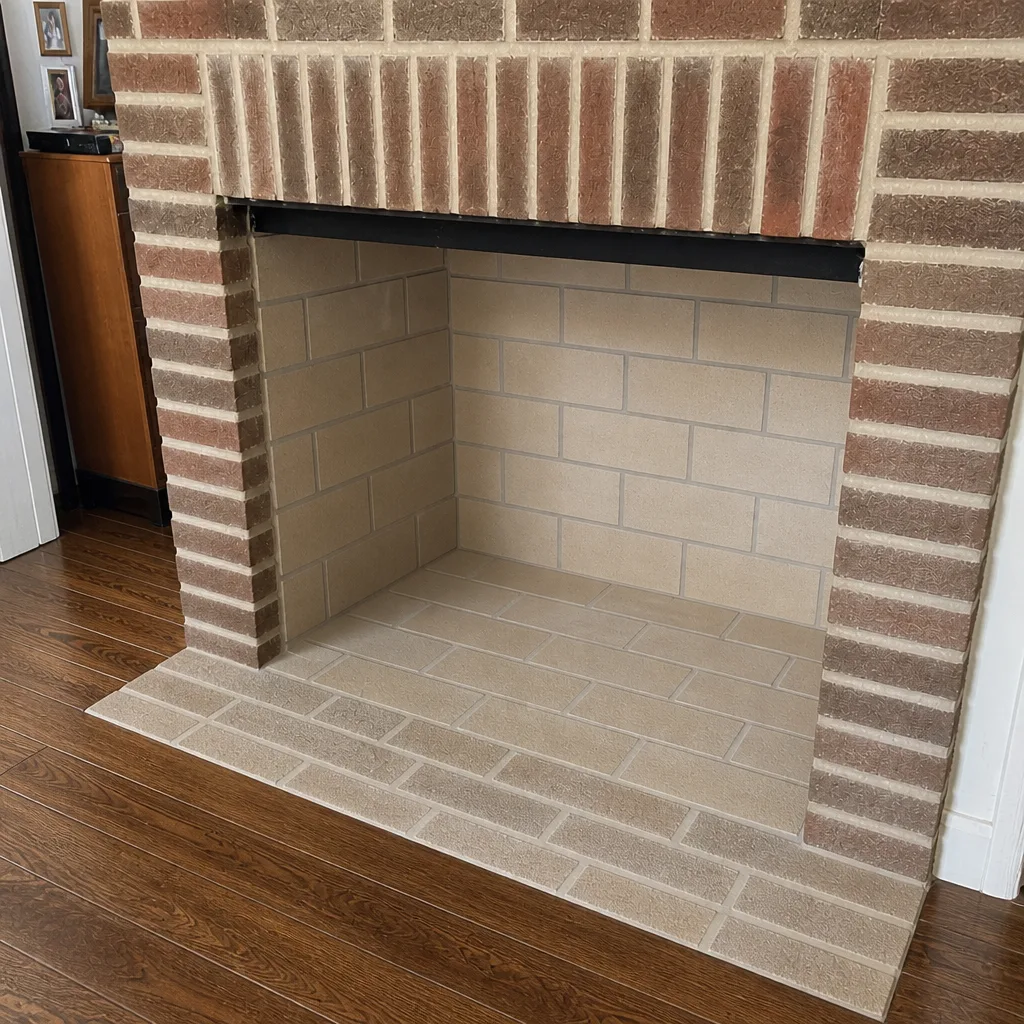
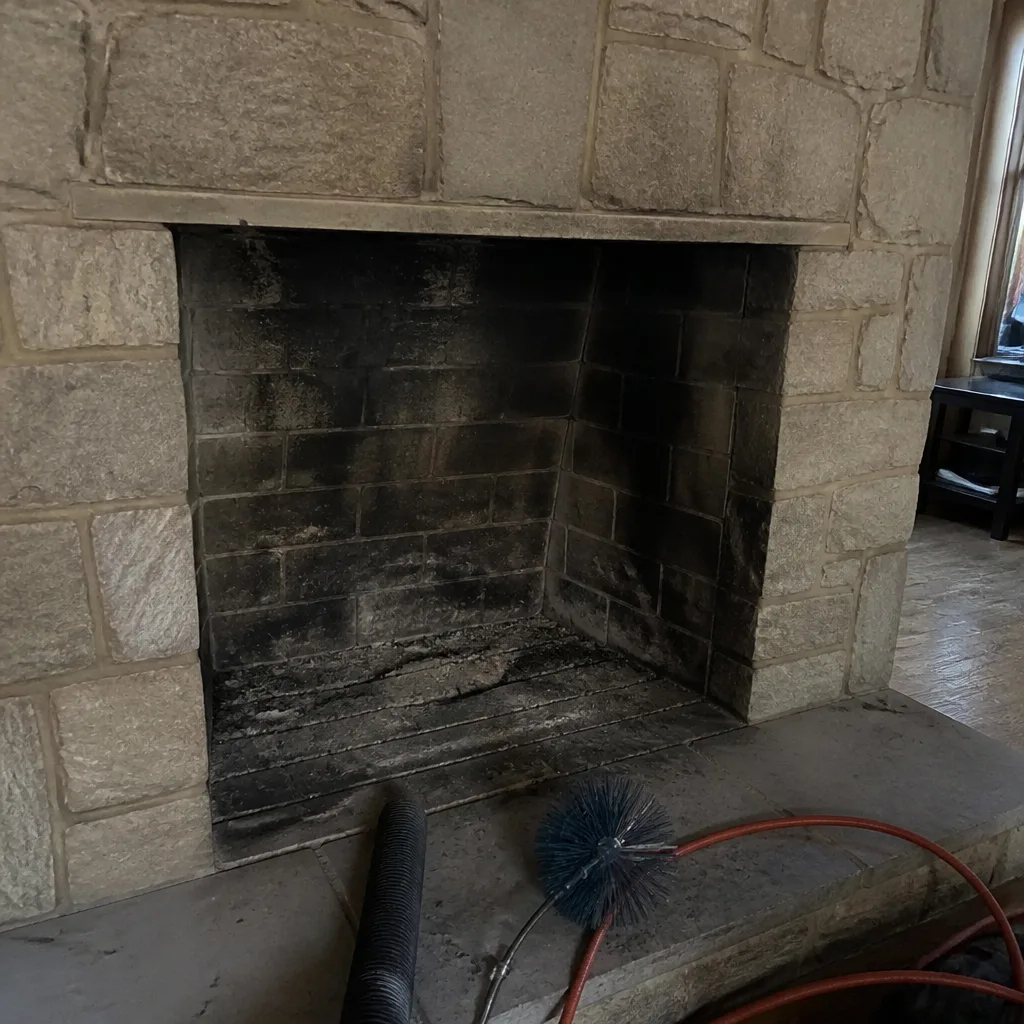
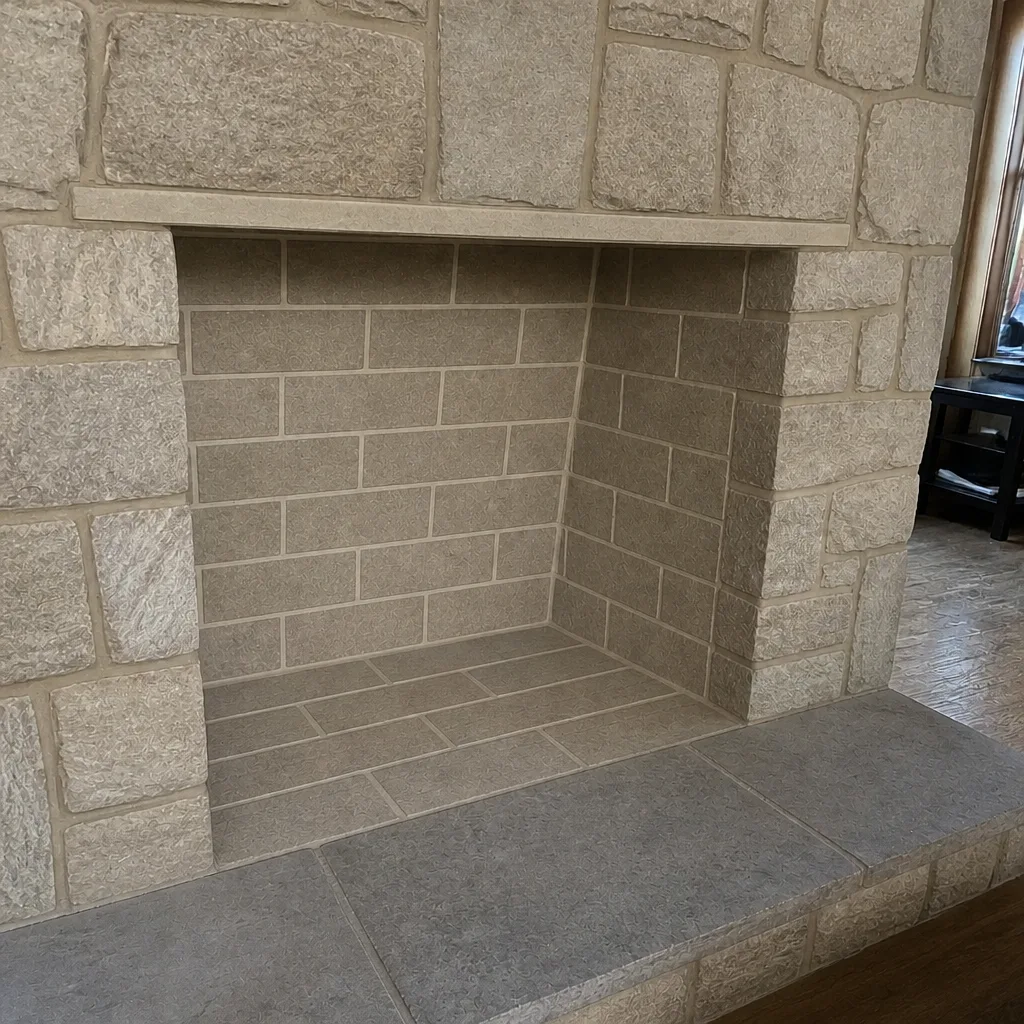
See the difference
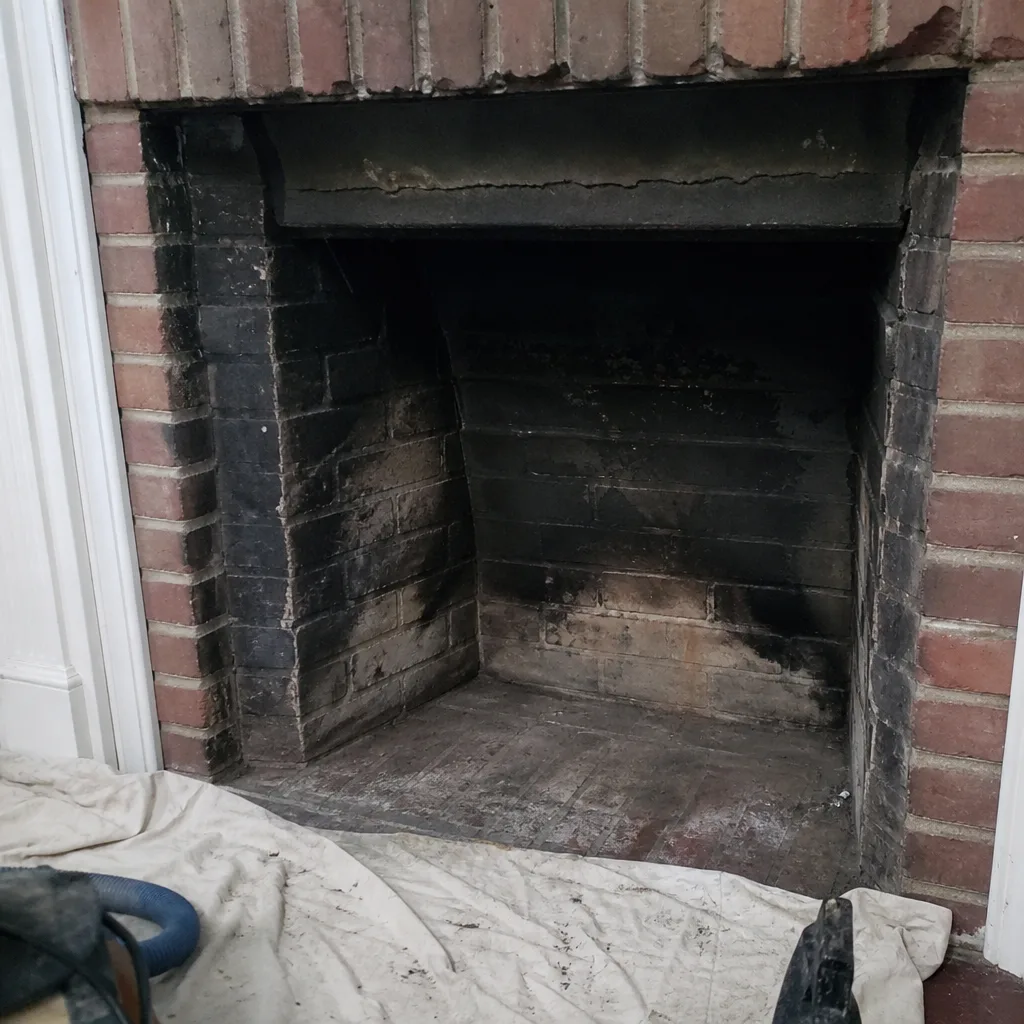 Before
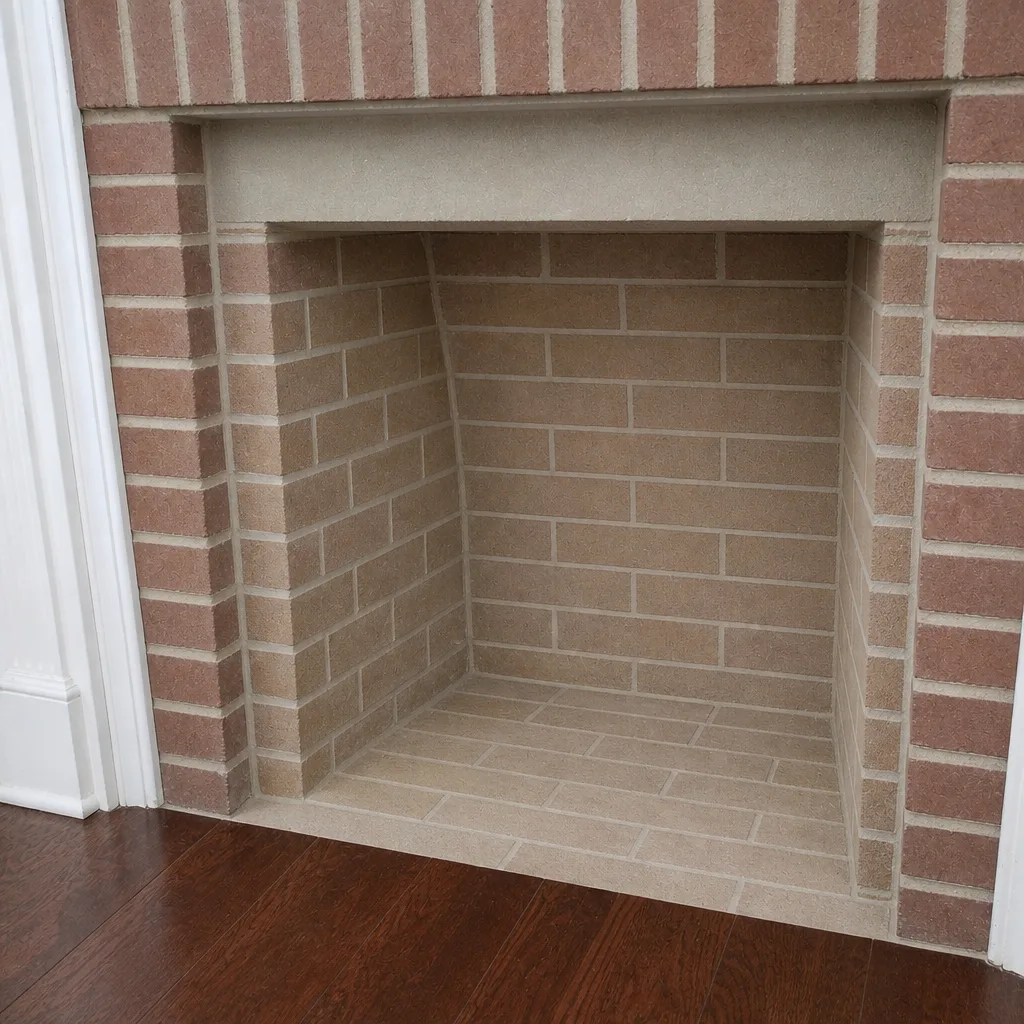 After
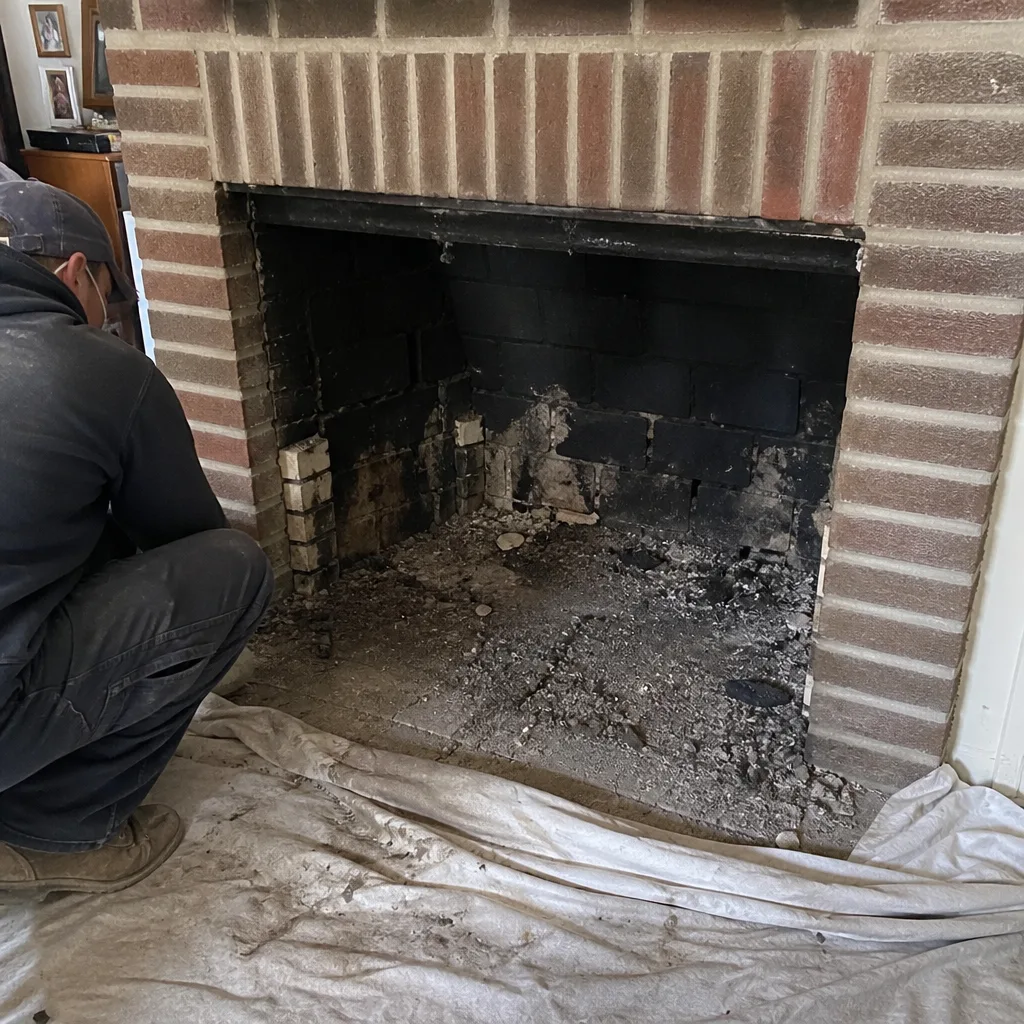 Before
 After
 Before
 After
When to Call a Professional
Call a professional immediately if any of the following apply: a damaged or missing damper, a displaced flue tile, a visible gap or rust-through on a metal liner, a firebox brick that’s missing or displaced, an active water stain that appears during rain, or any time the “stop use” rating shows up on more than one component. A chimney professional is also the only way to know whether a “service soon” finding is really what it looks like. Camera scans, liner work, damper replacement set in masonry, and any roof-level crown or flashing work all require a trained technician, and doing them wrong is worse than leaving them be. Our technicians have up to 15 years of experience, and we inspect before we recommend. Chimney Sweep New Dorp offers free estimates in New Dorp – call (855) 726-7829.
Frequently Asked Questions
A typical chimney sweep in New Dorp runs $150 to $300 for a standard brush sweep and visual inspection, and $200 to $450 when a camera scan is included. Pricing depends on the flue configuration, how much creosote is present, and whether a second flue is being serviced. The written estimate sets the final price, and the estimate is free. Call (855) 726-7829 for an exact quote – estimates are free.
You need a new liner when a camera scan shows displaced tiles, gaps between tiles, rust-through on a metal liner, or no liner at all in an older chimney. Not every liner problem requires full replacement. Where the tile run is intact and the issue is surface deterioration, HeatShield resurfacing can rebuild the interior without a new liner installation. Where the flue has an offset or jog, a DuraFlex flexible liner is often the right solution. The only way to know which applies is to look with a camera. Call (855) 726-7829 to book a camera scan – the estimate is free.
Once a year for a wood-burning fireplace in regular use, and once every two years for a gas fireplace or a wood fireplace used only seasonally. Beyond frequency, the sweep should produce a written report on every component – crown, cap, flashing, liner, firebox, damper – not just a statement that the flue was cleaned. The interval matters less than the annual look. Call (855) 726-7829 to book the annual sweep – estimates are free.
Skipping the annual sweep means creosote accumulates and liner damage goes unnoticed, both of which raise fire risk and can allow carbon monoxide into the house if the flue is compromised. Skipping the inspection is the more expensive half of the decision, because crown and flashing damage compounds quietly and the repair cost climbs. Nothing terrible happens the first year. It’s the second and third that widen the gap. Call (855) 726-7829 – estimates are free, and some findings can safely wait.
No. A CO detector alerts you after carbon monoxide has already entered the living space – it doesn’t prevent the problem and it doesn’t compensate for a compromised liner. It’s a backup, not a substitute for a camera scan. If a liner gap is present, the priority is to stop using the fireplace until a technician inspects, not to rely on detection. Call (855) 726-7829 to schedule an inspection – estimates are free.
Yes, in two ways. A documented inspection history makes a claim much easier to substantiate, because it proves a finding was known and addressed. And a missing record can push a loss into the “maintenance exclusion” category, which is the insurance term for damage that accrued slowly rather than in a single event. Water damage from a failed crown or flashing is the most common case of this, and animal entry is a close second. If your chimney has no record, that’s a reason to start one. Call (855) 726-7829 to book an inspection – estimates are free.
The Bottom Line
A chimney maintenance checklist is only useful if it tells you what each finding means and what to do about it. That’s why we organized this one by component – crown, cap, flashing, liner, firebox, damper – with a severity rating on every item. The crown is where the compounding starts; the liner is where it becomes serious; the damper is where New Dorp’s older housing stock needs its own specific look. Som