
Last updated November 25, 2026
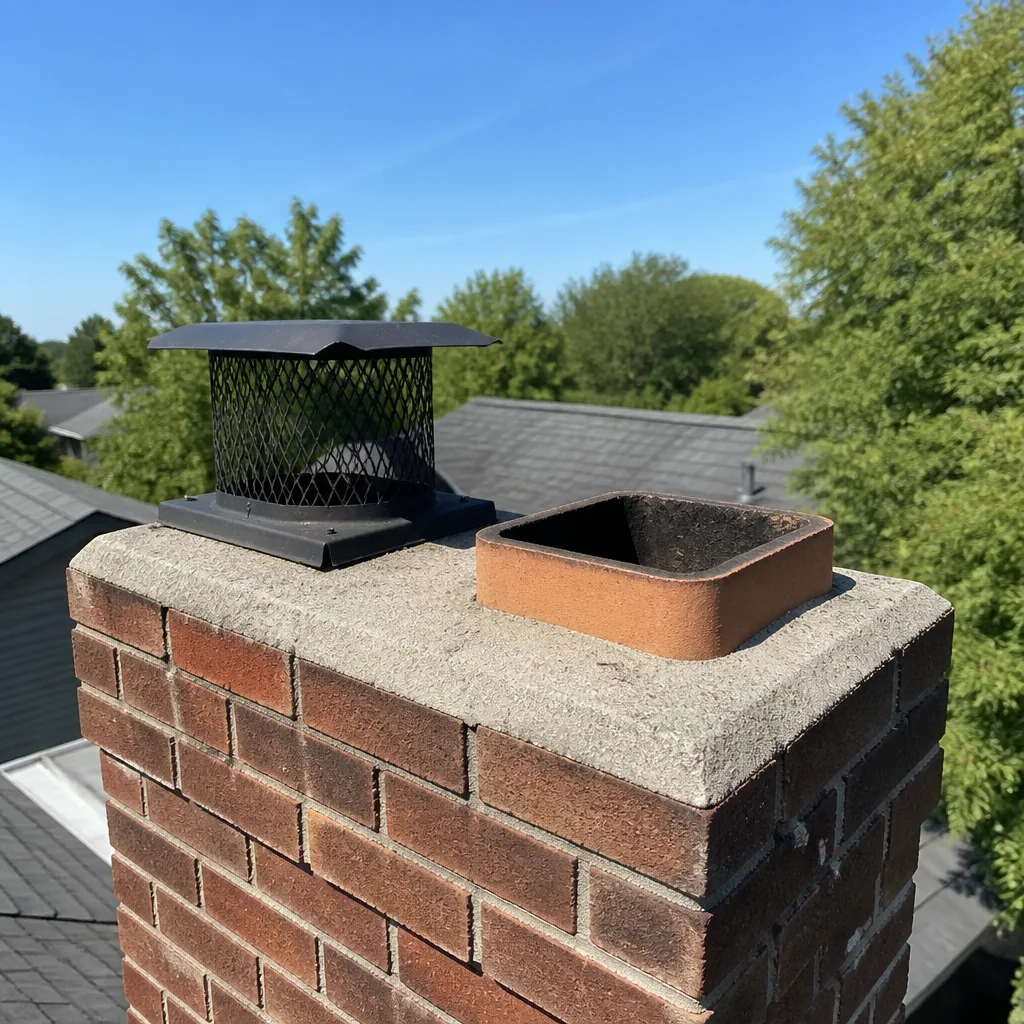 Sweep & inspection
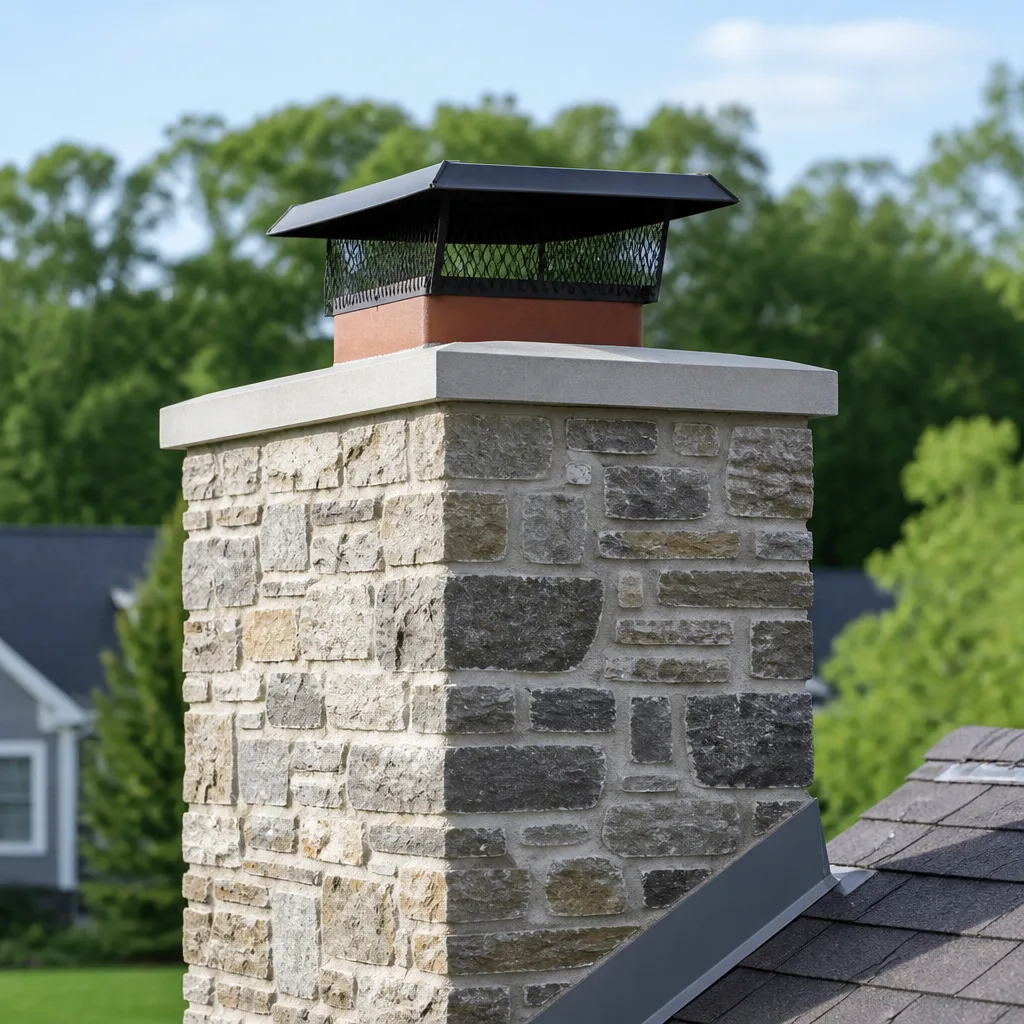 Caps & crowns
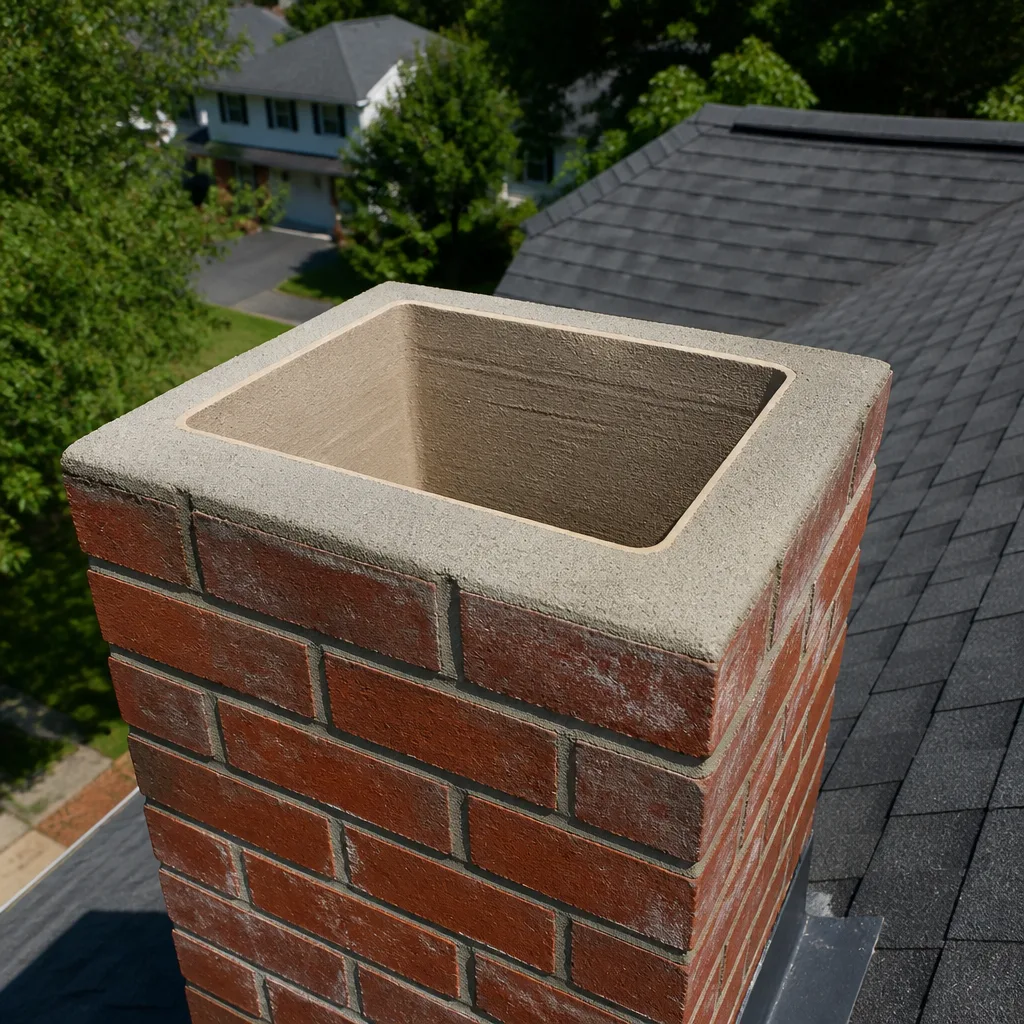 Flue relining
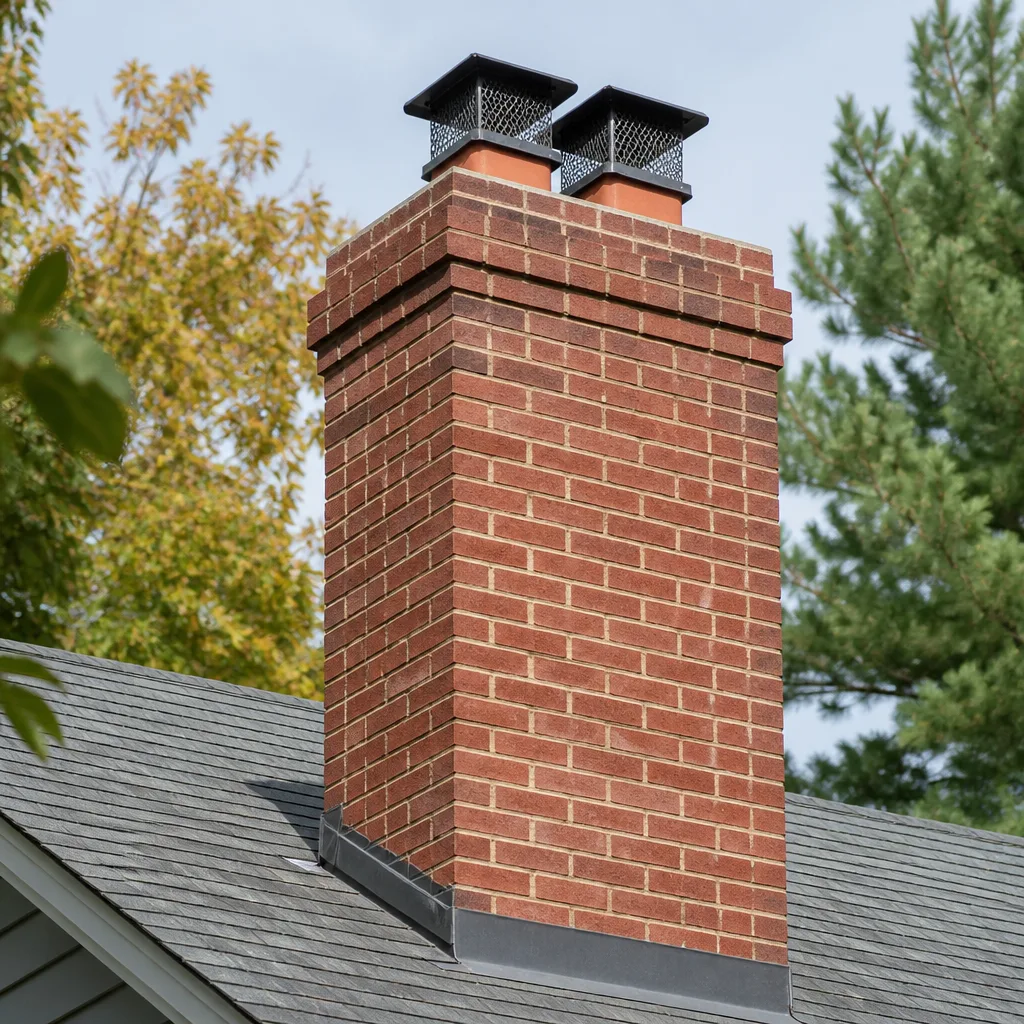 Masonry repair
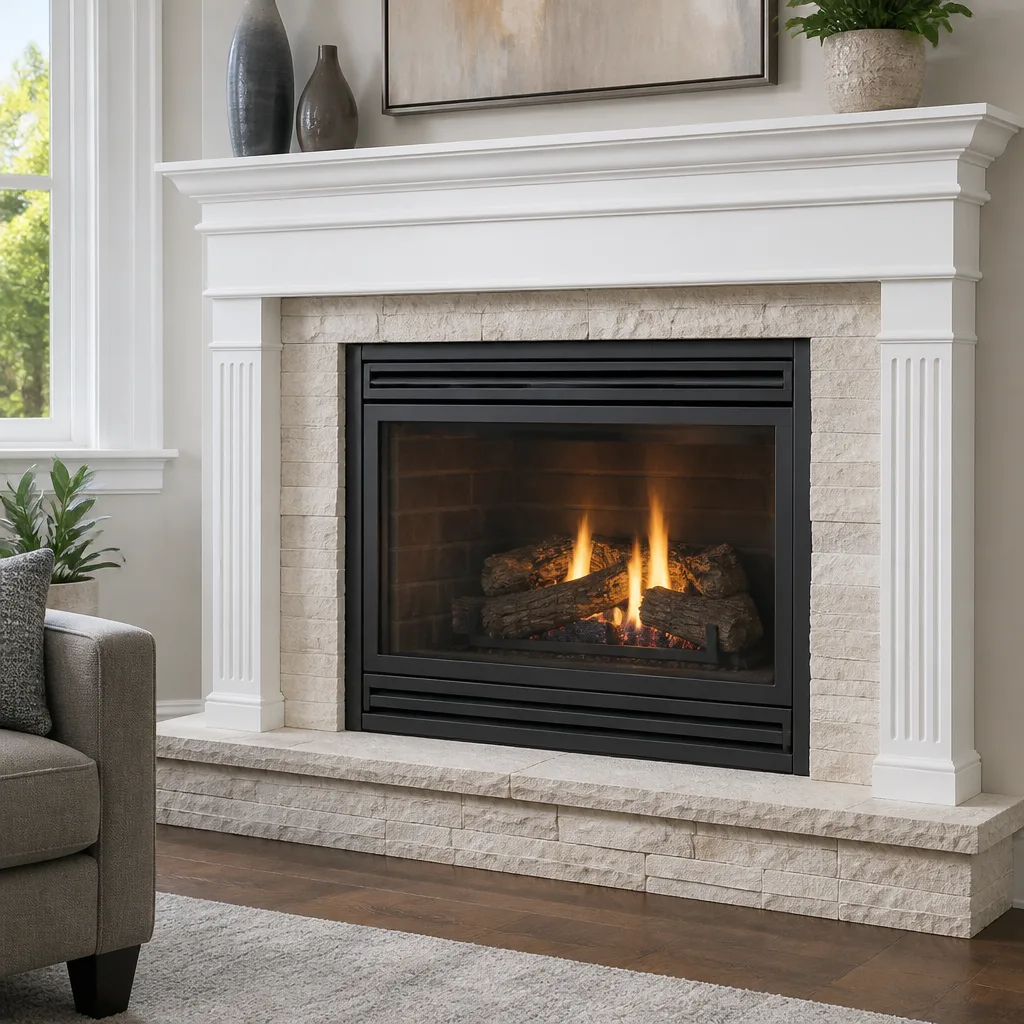 Gas fireplace service
Level 1 sweep and inspection to the NFPA 211 annual standard - flue, crown, cap, and flashing checked and photographed
Chimney sweep logs do not sweep chimneys. They loosen some creosote - which then falls where a brush and vacuum still have to collect it.
Chimney Cleaning Warning Signs: A New Dorp Homeowner’s Reference Guide
A smoky smell in the living room on a windy day isn’t a draft problem you can fix by cracking a window. More often it’s a negative pressure symptom, and it points to a specific flue or damper failure that most homeowners haven’t considered. The trouble with chimney warning signs is that they rarely look the way people expect. We’ve walked through hundreds of homes around New Dorp and the pattern is consistent: the clues were there for weeks, sometimes a whole season, but they were misread. This guide decodes what’s actually happening inside the system when each symptom shows up, so you can tell the difference between a quirk and a failure.
Quick Answer
The most reliable chimney cleaning warning signs are a strong creosote smell in warm weather, smoke rolling back into the room when you light a fire, white staining on exterior brick, and any debris falling into the firebox. Performance symptoms like slow draft and smoke rollout usually mean a partial blockage or a failing damper, while structural symptoms like loose bricks or flaking liner material mean the chimney needs to be assessed before the next burn. If you see any of these in New Dorp, book a sweep and inspection before the heating season starts.
Styles & brands we work with
- Sweep & inspection
- Caps & crowns
- Flue relining
- Masonry repair
- Gas fireplace service
Table of Contents
- Performance Symptoms vs. Structural Symptoms
- Why Smoke Rolls Back Into the Room
- What White Staining on the Brick Really Means
- The “It’s Always Done That” Problem
- Sounds and Smells Your Eyes Can’t Catch
- Reading Creosote: Soot, Crust, and Glaze
- Which Signs Mean “Soon” and Which Mean “Stop Using It”
- What to Expect From a Proper Inspection
Performance Symptoms vs. Structural Symptoms
The single most useful distinction in this whole guide is between a performance symptom and a structural symptom. Homeowners tend to treat both the same way: they notice something, they decide it’s “just how the fireplace is,” and they carry on. But these two categories call for very different responses.
A performance symptom is about how the fire behaves. Smoke rolling out of the fireplace opening, a fire that’s hard to start, a weak draft, soot collecting on the glass doors, or a fire that dies down when you’d expect it to roar. These symptoms tell you the flow of air through the flue isn’t right. That can come from a partial creosote blockage, a damper that won’t open fully, an undersized flue for the appliance, or pressure issues inside the house.
A structural symptom is about the chimney itself. Flaking liner material in the firebox, loose bricks in the crown, white staining on exterior masonry, debris landing on the hearth, or cracks you can see from the roof. Structural symptoms mean the containment of the fire and its byproducts may be compromised. That’s a different level of concern.
Why does the split matter? Because in New Dorp, most homes with a fireplace are older builds where the flue has been through decades of freeze-thaw cycles. A performance symptom in one of these chimneys is often the first signal that the flue liner has started to fail. The fire still burns. The smoke still mostly goes up. But the draft is weakening because the liner has cracks or gaps that are bleeding air. A performance problem and a structural problem can be the same underlying issue showing different faces.
We always treat performance symptoms as an invitation to look, and structural symptoms as a reason to stop and inspect before the next fire. That’s the core of Chimney Sweep New Dorp – inspect before we recommend, and never guess at what’s happening inside the flue when we can see it with a camera.
Why Smoke Rolls Back Into the Room
Smoke rollout is the symptom homeowners describe most often, and it’s also the one most often misdiagnosed. The fire is lit, the smoke is going up the chimney, then a gust outside or a door opening elsewhere in the house sends a puff of smoke back into the room. People assume they need to open a window or crack a door to “help the draft.” That works for a minute. It doesn’t fix the cause.
There are three common explanations for smoke rollout in a New Dorp home:
- Negative pressure inside the house. Modern homes are tighter than they used to be. When a kitchen exhaust fan, a dryer, or a bathroom fan runs, it pulls air out of the house. That air has to come from somewhere, and if the house is tight, it comes down the chimney. The fire loses its draft and the smoke spills into the room.
- A partially blocked flue. Creosote buildup narrows the path for smoke. It doesn’t have to be total blockage. Once the flue is more than about a third restricted, draft can drop off noticeably, especially in cold weather when the fire is working hard.
- A damper that doesn’t open all the way. The damper is the metal plate above the firebox that controls airflow. If it sticks, sags, or has lost its linkage, it may only be opening partially. The fire gets enough air to burn but not enough to draft cleanly.
Before assuming the worst, check the obvious: is the damper fully open, is another exhaust fan running, is the firebox door or glass cracked? If you’ve ruled those out and smoke still rolls, it’s time for a proper chimney sweep and inspection. A sweep clears any blockage, an inspection identifies which of the three causes is at play. We can’t tell you which one it is until we look. That’s the point of the sweep.
What White Staining on the Brick Really Means
White staining on the exterior brick of a chimney is called efflorescence, and it’s a moisture indicator. Homeowners often read it as a cosmetic issue, a bit of chalky residue to pressure-wash off in the spring. But efflorescence is not cosmetic. It’s what happens when water gets into the masonry, dissolves salts from the brick and mortar, and then migrates back to the surface as the chimney dries. The white powder is the salt left behind.
The pattern of the staining tells you where the water is entering:
- Staining near the top of the chimney, under the crown: the crown has cracked or pulled away from the flue, and water is running down the outside of the liner. This is the most common pattern in New Dorp, where freeze-thaw cycles widen any crack that started small.
- Staining in a horizontal band around the middle: a flashing failure where the chimney meets the roofline, or a mortar joint that has opened up on the weather-facing side.
- Staining scattered across the entire face: the brick itself is absorbing water, usually because the mortar is old and porous or the brick is spalling from years of freeze-thaw.
- Staining concentrated near the firebox on the interior side: a flue crack, a failing liner, or condensation from a gas appliance venting wet exhaust.
Here’s the counter-intuitive part: efflorescence appears before the spalling. The white staining is the early warning. By the time the brick face starts to flake and pit, the masonry has already taken on water and frozen through several seasons. In New Dorp, where winters reliably dip below freezing, that progression from white staining to visible spalling can happen in a few seasons. If you see the staining now, that’s the window to act, and it usually involves a crown replacement or repointing. We fit chimney cap & crown components spec’d correctly for the flue, so the repair actually solves the water entry rather than covering it up.
The “It’s Always Done That” Problem
We hear this constantly. “It’s always smoked a little when I first light it.” “It always smells a bit in the summer.” “It’s always made that sound.” The phrase is the single most common reason a small issue turns into a large repair. It’s a way of deciding that a symptom is the normal behavior of the fireplace, when in fact it’s a symptom that has been quietly worsening.
The problem is that “always” is usually a comparison to a vague memory. Homes have small changes that shift how a fireplace behaves: new windows, new insulation, a new exhaust fan, a change in the wood being burned, a season with more wind than usual. The fireplace doesn’t suddenly work worse. It gradually works worse, and the homeowner adapts. By the time the smell or the smoke has crossed a real threshold, it feels like “always.”
So let’s set some actionable thresholds. These are the behaviors that have stopped being normal:
- Smoke when first lighting the fire: normal for the first minute or two as the flue warms. Actionable if it happens every time, lasts more than a few minutes, or happens only on windy days.
- A faint smoky smell on cold mornings: normal after a fire, as the flue cools. Actionable if the smell is present in rooms the fireplace doesn’t open into, or persists into the following day.
- A slight musty smell in the firebox in summer: normal if the chimney is closed up. Actionable if it’s a persistent odor in the living space, which usually points to moisture or an animal issue.
- Soot flaking off the firebox walls: normal at a small scale. Actionable if chunks are landing on the hearth, because that means the liner or the mortar is failing.
- A faint ticking or ticking sound as the chimney cools: normal for metal components. Actionable if the sound is a scrape or a clang rather than a tick, because that points to a loose damper plate or a piece of hardware that has come free.
If you can’t remember whether the fireplace used to smell or smoke like this, that’s your answer. The honest move is to have it checked. In our experience, the “always done that” case is the one where we find the most creosote, because no one has looked in years.
Sounds and Smells Your Eyes Can’t Catch
Visual inspection misses a lot. The two senses that catch what eyes don’t are hearing and smell. Both are worth understanding because they flag categories of problem that don’t show up in a normal look-around.
Musty smell in winter. A musty, damp, or earthy smell coming from the fireplace during the heating season usually means moisture is trapped somewhere in the flue or the masonry. It can come from a failed crown letting water in, a crack in the flue liner, or a chimney that has no cap and takes rain directly. Moisture in the flue is a real problem because it degrades the liner and, in the case of a clay tile liner, causes the tiles to crack as the water freezes and expands. A chimney cap & crown that’s fitted properly keeps water out at the top. If the smell is there, the cap or crown is the first place we look.
Animal sounds. Scratching, chirping, or flapping above the damper is a sign that a bird, squirrel, or raccoon has come into the chimney. A chimney without a cap is essentially an open pipe. Animal nests block the flue and are a fire hazard in their own right. The fix is a cap (Famco and Copperfield caps and components are the ones we spec), but the immediate step is to have the animal removed and the flue cleared before the next fire.
The specific sound of a loose damper plate. A damper that has come off its pivot makes a distinctive metallic scrape or clang when the fire pulls air through it. It’s not a tick. It’s not the normal expansion sound of metal cooling. If you hear a metallic clang from the firebox during a burn, the damper is misaligned and needs to be looked at. A damper that’s stuck open or closed is a performance problem, but one that’s partially detached can drop into the firebox, so we treat it as a stop-burning-until-checked sign.
If any of these have been present for more than a couple of weeks, the sweep and inspection are the right next step. They’re not dramatic. They’re the basic diagnostic step that tells you whether it’s a small fix or a bigger one, and the inspection report with photos means you can see what we see.
Reading Creosote: Soot, Crust, and Glaze
Most homeowners think of chimney buildup as “soot” and assume it’s all the same stuff. It isn’t. Creosote forms in three recognizable stages, and the stage tells you how urgently the flue needs attention.
- Stage one: soot and light fluff. This is the powdery, feathery deposit you’d see after a season of normal burning. It’s the easiest to remove with a standard sweep. If your chimney is at this stage, you’re fine to book a routine sweep before the next heating season.
- Stage two: crusty, flaky creosote. The deposit has hardened and started to form crusts on the flue walls. It’s still sweepable, but it takes more work and more passes. This stage is where a sweep every year becomes genuinely important, because the crust grows.
- Stage three: glazed creosote. The deposit has become a hard, shiny, tar-like layer. It’s difficult to remove with a brush alone, and it’s the most combustible stage. Glazed creosote can ignite at flue temperatures that a normal fire reaches. If you’re at stage three, the fireplace shouldn’t be used until the flue has been cleaned and inspected.
You can’t reliably tell the stage by looking up the flue from the firebox. The camera inspection is what tells you. The report includes photos of what we found, so you can see the deposit for yourself rather than taking a verbal description. That’s the piece a lot of homeowners say they’ve never gotten from a sweep before: proof of what’s actually in the flue.
If the inspection does find glazed creosote in a flue that’s otherwise sound, sometimes the fix is a chemical sweep plus a resurfacing. HeatShield is the system we use for that kind of liner resurfacing, and it can restore a flue without a full reline. That’s a repair-first approach, and it’s usually cheaper than a liner replacement.
Which Signs Mean “Soon” and Which Mean “Stop Using It”
This is the section to print and keep near the fireplace. Some warning signs mean “book a service soon.” Others mean “don’t light another fire until a technician has cleared it.” Getting the two confused in either direction is where real problems start.
Schedule service soon (within a few weeks, before the next heating season):
- A persistent smoky smell in warm weather
- White efflorescence staining on the exterior brick, no spalling yet
- Slow draft that has gotten noticeably worse this season
- A faint musty smell coming from the firebox
- Soot on the glass of a fireplace door that’s increased this season
- A fire that’s harder to start than it used to be
- A small amount of soot flaking onto the hearth
Stop using the fireplace until a technician has cleared it:
- Any visible crack in the liner or firebox masonry
- Debris larger than a flake of soot landing on the hearth
- A metallic clang or scrape from the firebox during a fire
- Smoke rolling into the room even when the damper is fully open
- Animal sounds above the damper, or evidence that an animal is in the flue
- A shiny, glazed coating on the flue walls you can see from the firebox
- Any sign of moisture on the firebox walls
The reason for the urgency on the second list is that these signs point to compromised containment. A cracked liner, a disconnected damper, a nest in the flue, glazed creosote: each of these can turn a normal fire into a problem. Carbon monoxide can enter the living space if the flue isn’t sealed. A glazed creosote deposit can ignite. A dropped damper can land in the firebox. None of these are common, and none of them require panic. But they do require the fireplace stay dark until a technician has checked the flue and given the all-clear.
Call (855) 726-7829 to book a sweep and inspection. We answer 24/7, with fast dispatch from 7am to 7pm, Sunday through Friday. Estimates are free, and the written estimate sets the price before any work begins.
What to Expect From a Proper Inspection
Chimney inspections come in levels, and it helps to know which level you’re getting when you book. A Level I inspection is a visual check of the readily accessible parts of the chimney: firebox, damper, the visible portion of the flue, the cap, the crown, and the exterior. It doesn’t require anything to be opened up or moved.
A Level II inspection is more thorough. It uses a camera to look the full length of the flue and includes the accessible parts of the attic, crawlspace, and any chimney connections to appliances. It’s the inspection you want after any structural symptom shows up, and it’s the inspection that produces the photo report.
Here’s what a proper inspection should produce for you, whether you call us or someone else:
- A camera report. Photos of the flue, the firebox, the cap and crown, and the exterior masonry. You should see them, not just be told about them.
- A clear statement of what was found. In plain language. Not “the flue is compromised,” but “there’s a crack in the liner about six feet up, visible on the attached photo.”
- A separation of what needs to happen now from what can wait. A sweep, a cap repair, and a liner resurfacing are three different things. A good inspection tells you which of them actually apply, and when the non-urgent items can be scheduled.
- Photos of the material transitions. If the flue has been relined before, or has a heat shield or a resurfacing, the inspection should show where the transitions are. That matters if you ever need work done down the line.
We work with DuraFlex for flexible liner systems, HeatShield for resurfacing, and Olympia Chimney and Gelco for components, because the contractor-grade parts allow the repair to match the diagnosis. A camera gets a proper look at an offset flue. A flexible DuraFlex liner handles the complex path. A hardware-store substitute usually doesn’t, and that’s when a repair fails a few years later.
If you’d like to know more about the sweep side of the process, the team behind chimney sweep services at Chimney Sweep New Dorp can walk you through what the appointment involves. For fireplace work specifically, fireplace repair covers dampers, firebox masonry, and the parts of the system inside the room.
Common Mistakes to Avoid
- Burning through the warning signs. The most common mistake is treating a symptom as a season-long inconvenience and burning through it anyway. Smoke rollout, a slow draft, and a musty smell are all things that get worse, not better, and they’re cheapest to fix in the off-season in New Dorp rather than mid-winter.
- Waiting for a chimney fire to book a sweep. Creosote is combustible at flue temperatures that a normal fire reaches. A sweep scheduled before the heating season clears the deposit before it can reach that point, and it costs far less than the structural repair after a fire.
- Assuming there’s no cap because you don’t see one from the ground. Many chimneys in New Dorp have a cap installed years ago that’s since rusted loose, come off in a windstorm, or been knocked aside. If you can’t see a cap from the roof line, have it checked. An uncapped chimney takes water and invites animals.
- Painting over white staining on the brick. The staining is moisture coming out. Paint traps it in. That accelerates the spalling that the efflorescence was warning you about. The fix is to stop the water at the crown or flashing, not to hide the symptom.
- Slapping a hardware-store cap on a flue with a specific diameter. A cap that doesn’t fit the flue properly creates a gap at the seal, which lets water in exactly where you were trying to keep it out. A cap spec’d correctly for the flue is a small cost that prevents a larger repair.
- Burning green or unseasoned wood. Wet wood produces far more creosote per fire than dry wood. The creosote stage climbs faster and the cleanup is harder. If you’re not sure about your wood supply, ask the sweep to check the firebox deposit before the season starts.
- Skipping the camera inspection because the sweep looked fine. A sweep clears the flue. An inspection tells you what’s happening in the liner, the crown, and the masonry. They’re not the same service, and the inspection is the one that tells you what to fix.
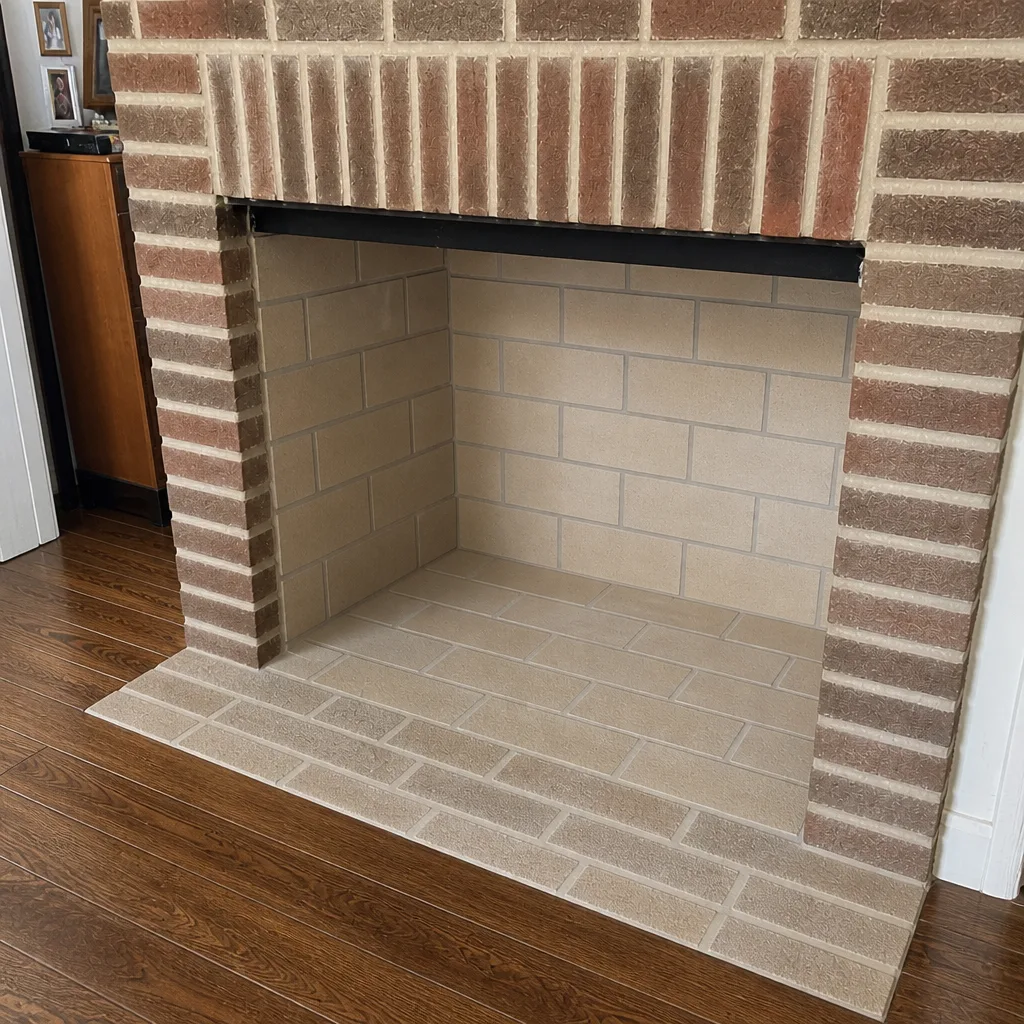
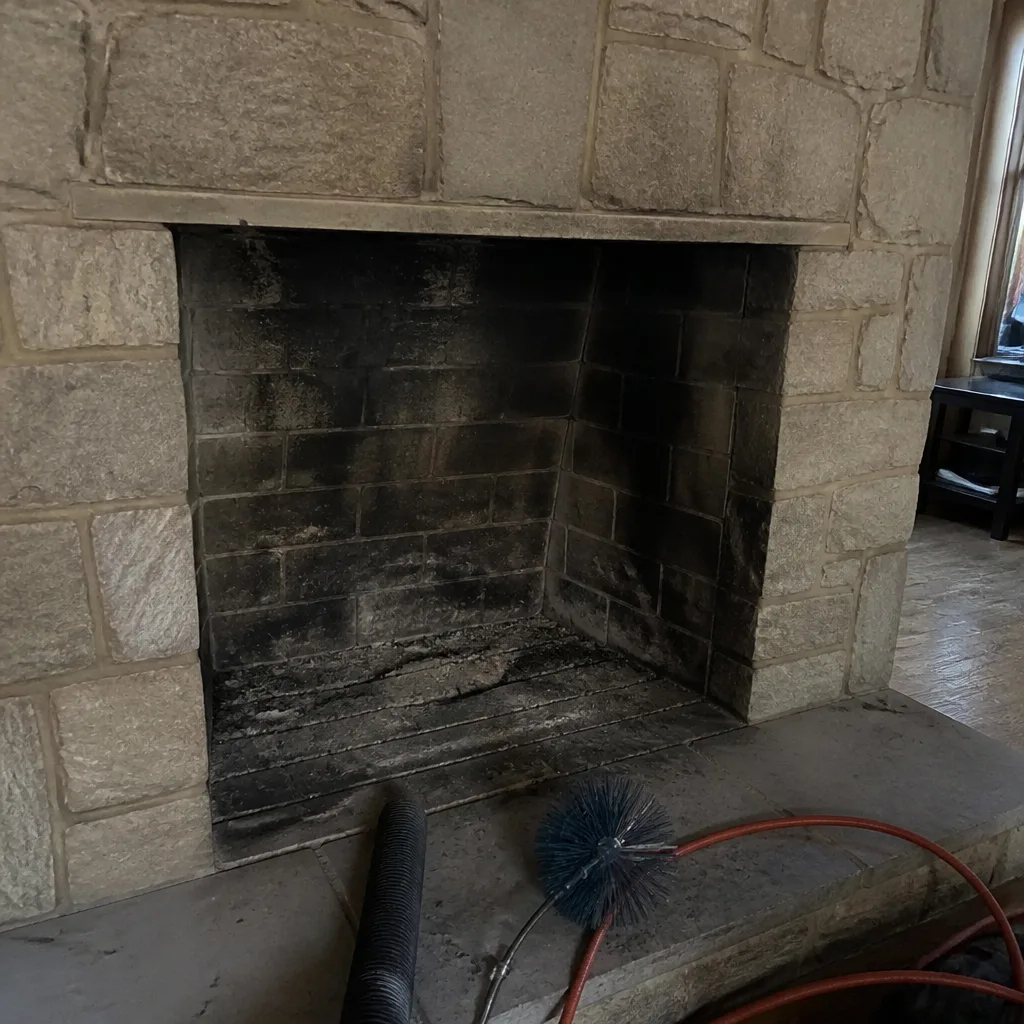
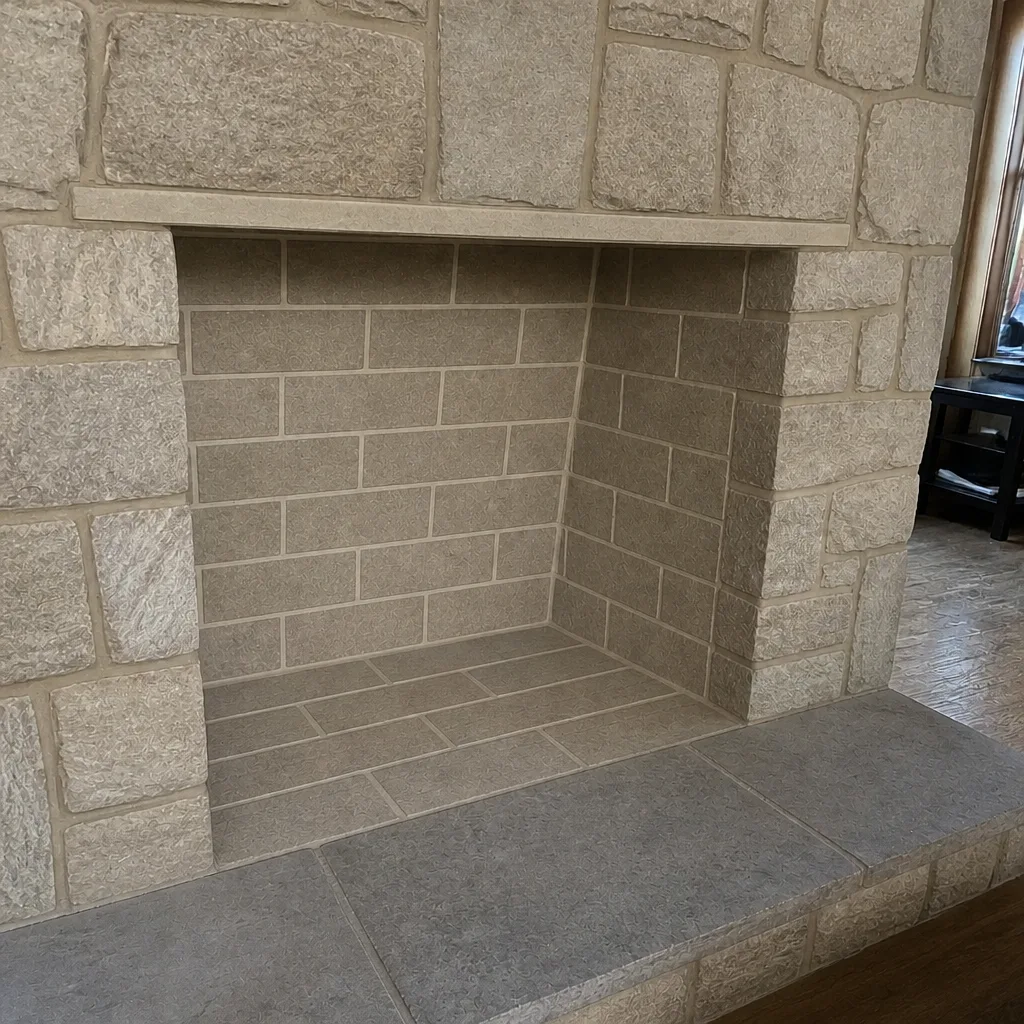
See the difference
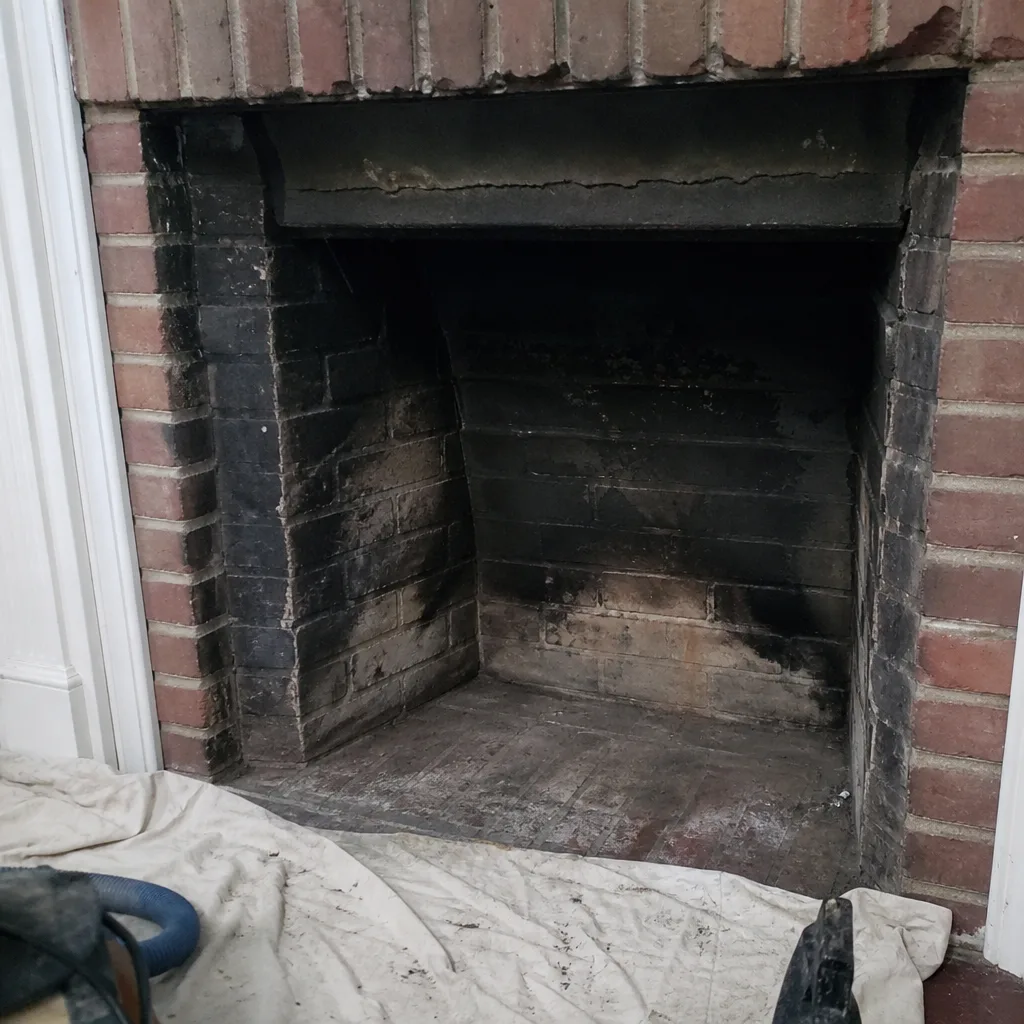 Before
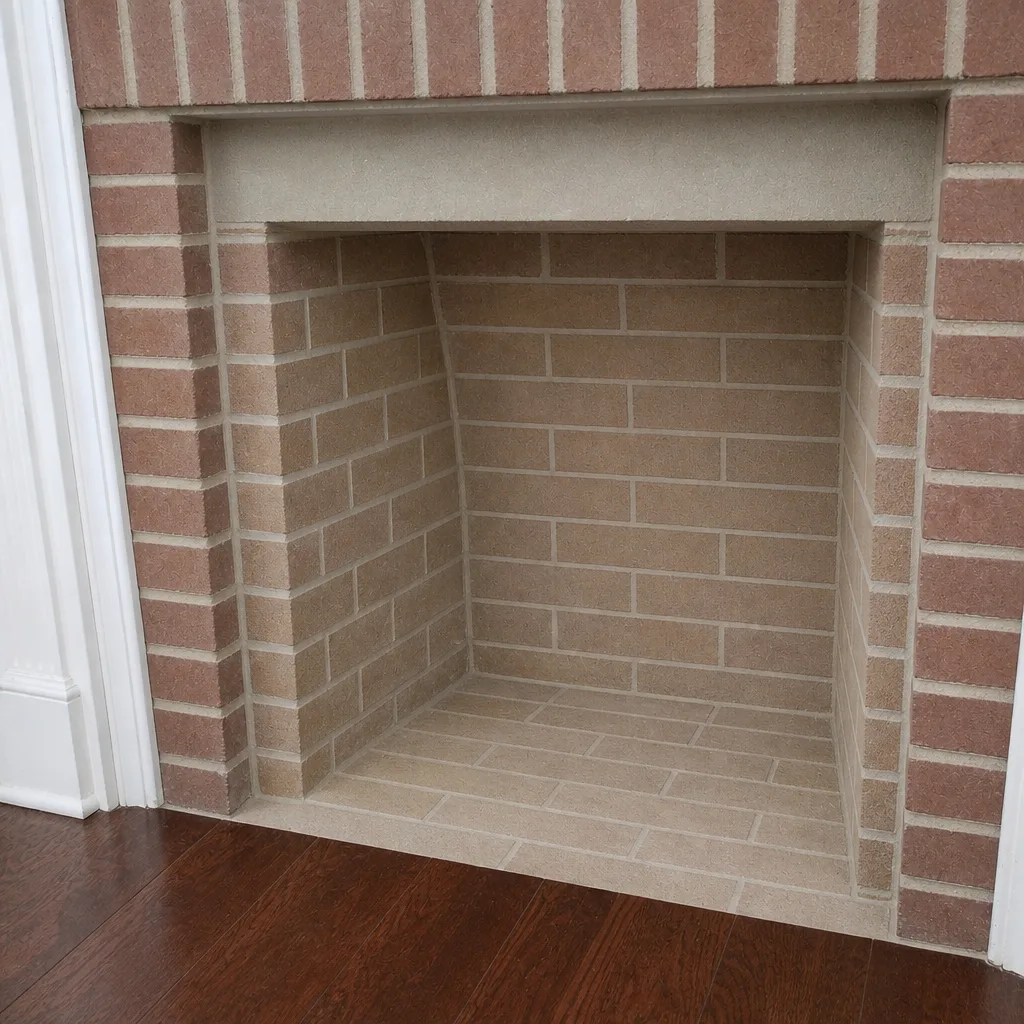 After
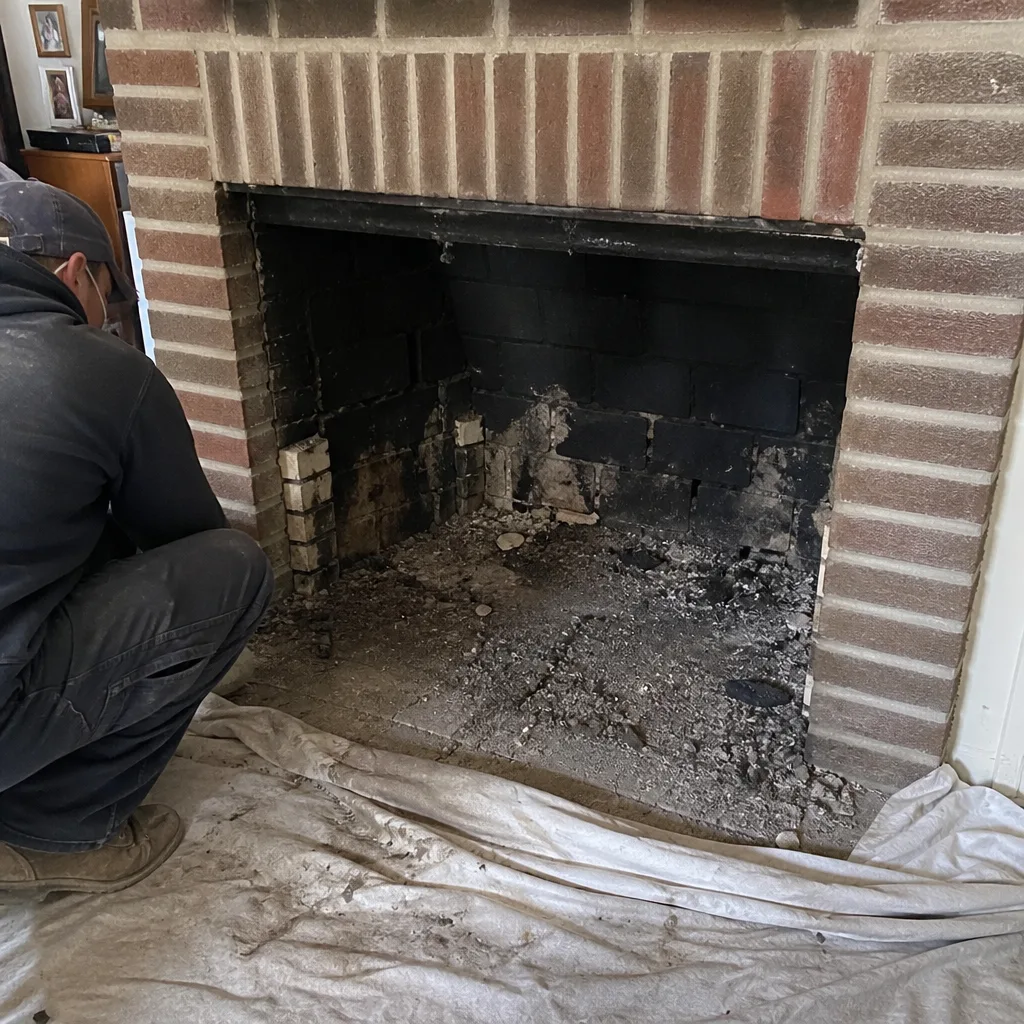 Before
 After
 Before
 After
When to Call a Professional
Call a chimney professional if any of the following apply in your New Dorp home: you’ve seen any item on the “stop using it” list, you’ve noticed white efflorescence on the exterior brick, your fireplace has started smoking in a way it didn’t before, you haven’t had a sweep in more than a year, or you’ve recently moved into a home with a fireplace and don’t know its history. Those are the moments the camera inspection is worth it. Chimney Sweep New Dorp offers free estimates in New Dorp. Call (855) 726-7829. We answer 24/7, with fast dispatch from 7am to 7pm, Sunday through Friday.
Our technicians have up to 15 years of experience, and the sweep, inspection, cap and crown work, fireplace repair, and full chimney repair are all handled by the same specialist team. From the first sweep to a full liner replacement, the findings from an inspection are addressed by the technicians who identified them, so you don’t get handed off mid-project.
Frequently Asked Questions
A persistent creosote smell in the living room during warm weather is the strongest single sign. It means the deposit in the flue has built up enough to odor even when the fireplace isn’t in use, which usually corresponds to a stage-two or stage-three creosote deposit. Book a sweep and inspection. Call (855) 726-7829 for an exact quote. Estimates are free.
A chimney should be swept at least once a year if you burn wood regularly, and more often if you burn frequently or burn unseasoned wood. Gas fireplaces still need an annual inspection, though the sweep frequency is lower. In New Dorp, the right time to book is before the heating season starts, when the deposit can be cleared before it thickens. Call (855) 726-7829 to book.
It’s a moisture problem, and it’s worth addressing before the brick starts spalling. The white staining is efflorescence: salt left behind as water migrates out of the masonry. The fix is to find where the water is entering, usually the crown, the flashing, or a porous mortar joint. A camera inspection and a look at the crown and cap will show which. Call (855) 726-7829 for a free estimate.
Not if the weakness has appeared this season or is getting worse. A weak draft means the flue isn’t venting properly, and the cause can be a partial creosote blockage, a failing liner, or a stuck damper. A light fire in that state can push carbon monoxide into the living space. Don’t burn until it’s been checked. Call (855) 726-7829 to schedule.
A sweep is priced per job by the written estimate, and the estimate is free. The estimate reflects the size of the flue, the level of the deposit, and whether the inspection is a Level I or a Level II. The written estimate sets the final price, and no work begins until you’ve agreed to it. Call (855) 726-7829 for a free estimate.
A sweep removes the deposit from the flue. An inspection assesses the condition of the flue, the firebox, the crown, the cap, and the masonry. They’re often done together, but they do different jobs. The sweep is the maintenance step, the inspection is the diagnostic step, and the camera report from the inspection tells you what to fix. Call (855) 726-7829 to book both.
Smoke and carbon monoxide can enter the living space through the crack, and a cracked liner is a pathway for the fire to reach the framing of the house. Neither is theoretical: both happen. The response is to stop using the fireplace until the liner has been inspected, and then to repair or resurface it. Call (855) 726-7829 for an inspection before the next fire.
Usually not. A cap that doesn’t match the flue diameter creates a poor seal and lets water in at the gap. We fit Famco and Copperfield caps and components because they’re spec’d to the flue rather than improvised. Call (855) 726-7829 to talk through your chimney’s size.
The Bottom Line
The warning signs that matter most are the ones that show up quietly and stay: the smoky smell in summer, the white staining on the brick, the draft that’s quietly weaker this season. Those are the ones that turn into liner and masonry repairs if they’re ignored, and they’re easiest to address in the off-season before the deposit thickens and the freeze-thaw cycle does its work. The louder signs (smoke rollout, debris in the firebox, an animal in the flue) are clear stop-and-check moments. If you’re not sure which of these you’re looking at in your New Dorp home, a free estimate and a camera inspection will tell you exactly. Call (855) 726-7829. We answer 24/7, with fast dispatch from 7am to 7pm, Sunday through Friday.
Written by the team at Chimney Sweep New Dorp.