
Last updated November 25, 2026
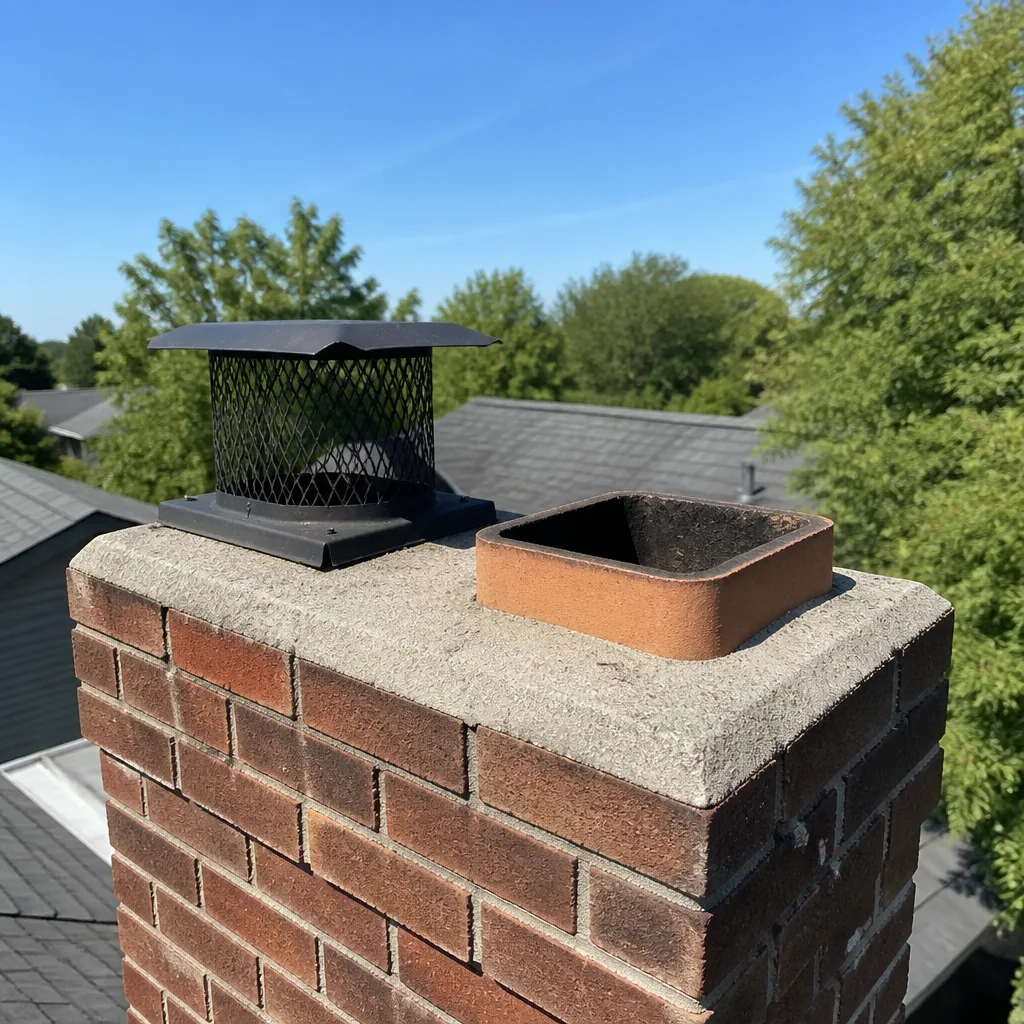 Sweep & inspection
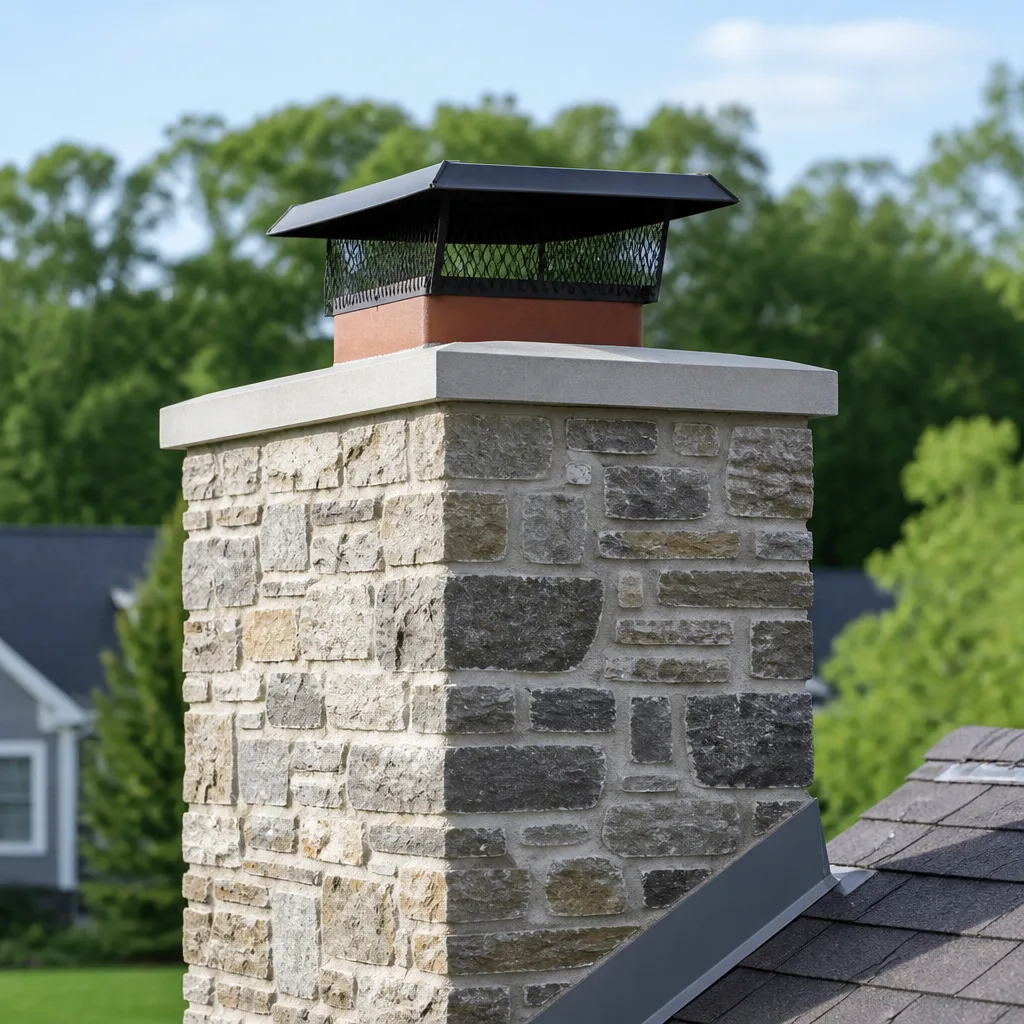 Caps & crowns
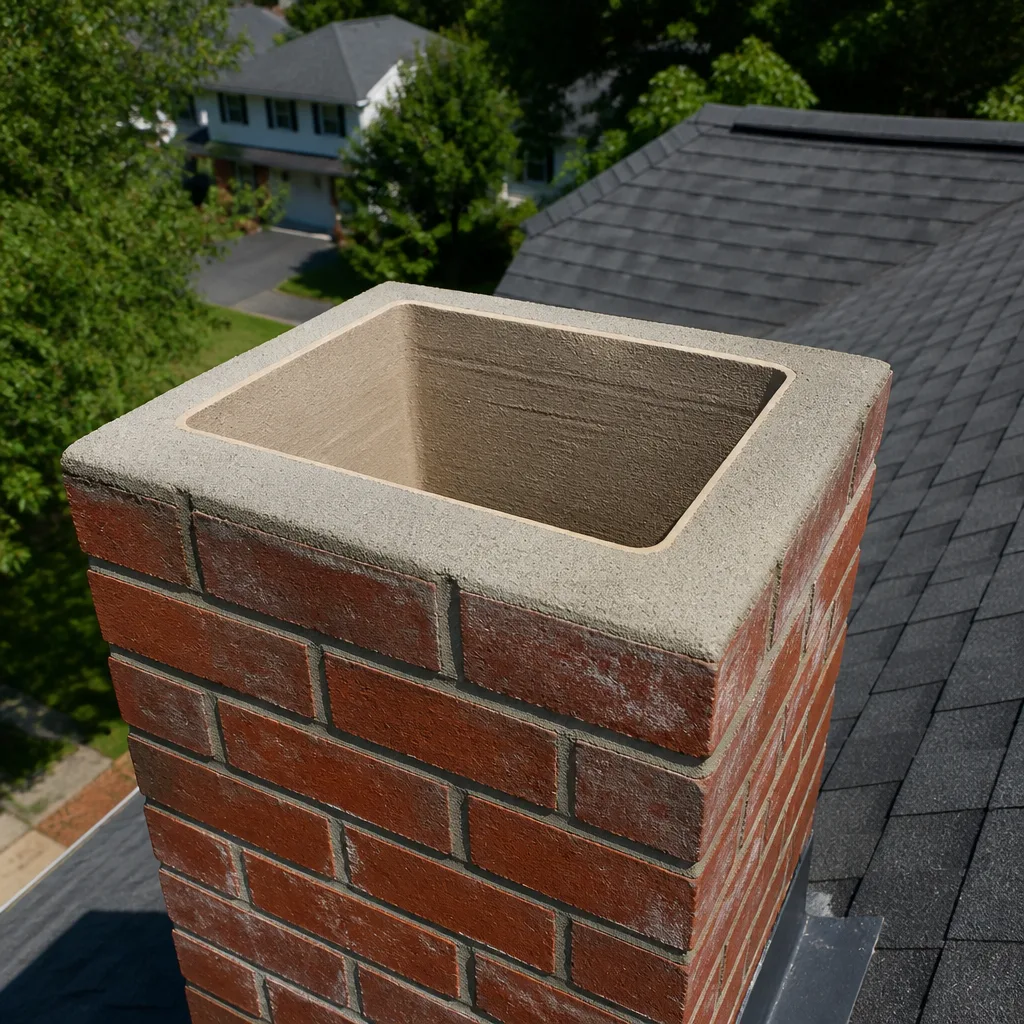 Flue relining
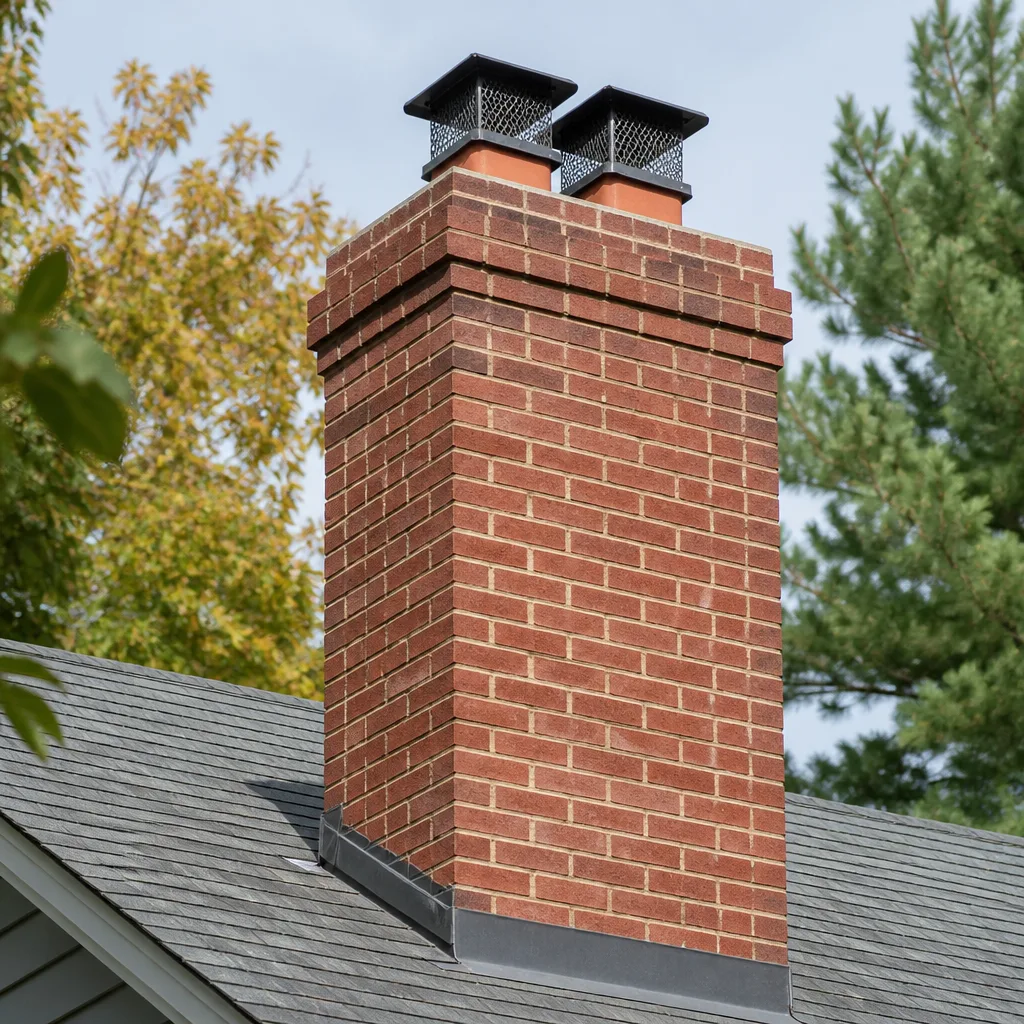 Masonry repair
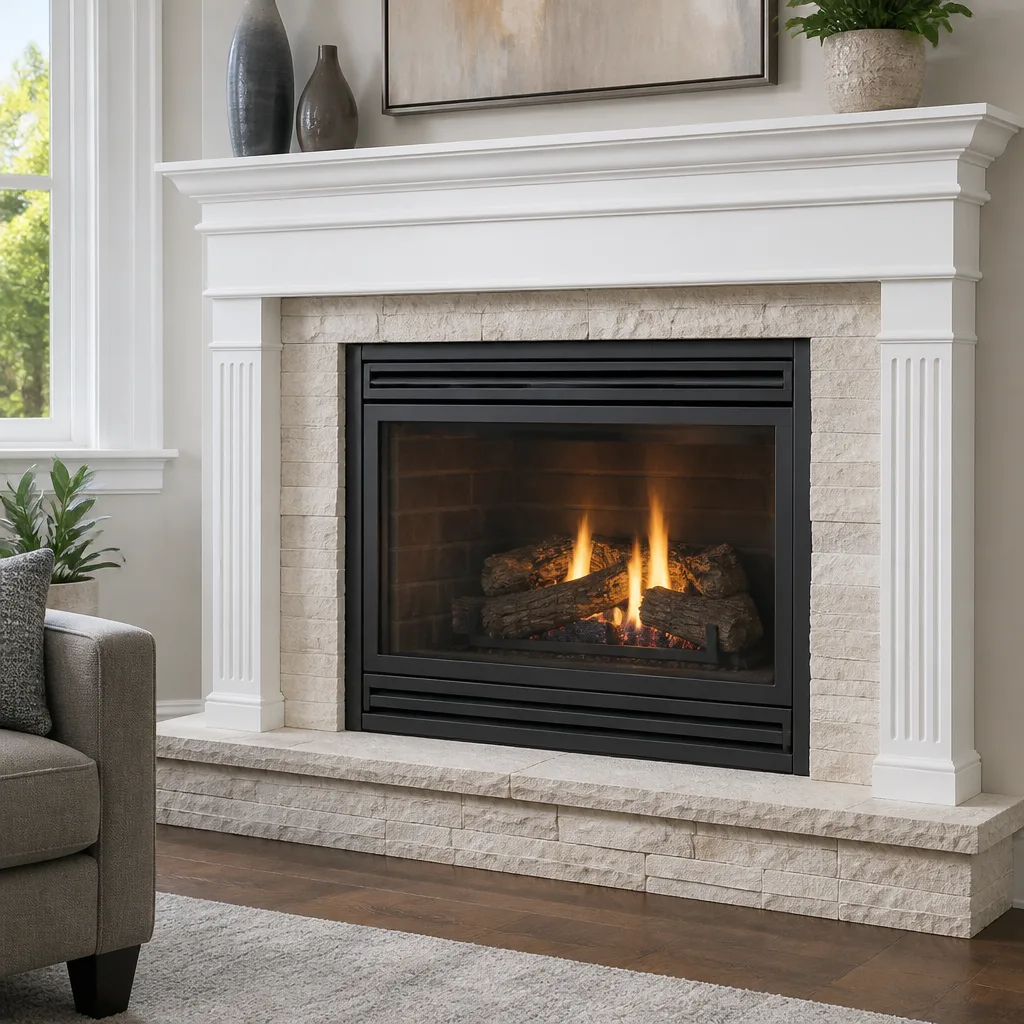 Gas fireplace service
Level 1 sweep and inspection to the NFPA 211 annual standard - flue, crown, cap, and flashing checked and photographed
Chimney sweep logs do not sweep chimneys. They loosen some creosote - which then falls where a brush and vacuum still have to collect it.
Chimney Cleaning Permits, Codes & Inspections in New Dorp, NY: What You Need to Know
The sweep itself needs no permit. That’s the part most New Dorp homeowners get wrong in the other direction, assuming the whole chimney trade lives under a stack of paperwork. Chimney cleaning is maintenance, and maintenance is exempt. But the work a cleaning commonly turns up, a cracked flue lining, a failing crown, a masonry joint opening behind the flashing, sits in a different column entirely, and some of it requires a filing with the NYC Department of Buildings before anyone touches the chimney. In this guide we walk through which chimney services are exempt and which are not, the code sections that actually govern venting, how FDNY and DOB records interact on the mixed-use buildings common around New Dorp, and what an unpermitted job looks like at closing. Bring the paperwork questions. We’ll answer them honestly.
Quick Answer
Chimney cleaning in New Dorp, NY does not require a permit, because sweeping and inspection are maintenance. Structural chimney work, installing or replacing a flue liner, and connecting a new appliance to a flue generally do require a permit and inspection through the NYC Department of Buildings. The NFPA 211 standard isn’t NYC code, but it’s the technical benchmark inspectors, insurers, and chimney professionals use to judge whether the flue is safe, so it matters even where it isn’t cited in a filing.
Styles & brands we work with
- Sweep & inspection
- Caps & crowns
- Flue relining
- Masonry repair
- Gas fireplace service
Table of Contents
- Where the Permit Line Falls: Sweeping vs. Repair
- Which Code Sections Actually Govern Your Chimney
- FDNY Records and DOB Work History on Multi-Family Buildings
- What NFPA 211 Is, and Why Inspectors and Insurers Cite It
- The Three Inspection Levels and When Each Applies
- What Happens at Closing When Chimney Work Was Unpermitted
- How New Dorp’s Climate and Housing Shape Chimney Wear
- How to Research Your Chimney’s Paper Trail
Where the Permit Line Falls: Sweeping vs. Repair
The single most useful distinction for a New Dorp homeowner is between maintenance and construction. New York City treats them very differently, and the difference determines whether your sweep can go ahead this week or whether a filing has to happen first.
Here’s how the line typically falls:
- No permit typically required: sweeping and cleaning, Level I and Level II inspections, cap installation where it’s a like-for-like replacement on an existing flue, minor crown patching, and routine fireplace maintenance.
- Permit generally required: installing a new flue liner or relining an existing flue, structural masonry repair to the chimney stack itself, removing or rebuilding a chimney above the roofline, and connecting a new appliance, such as a wood stove or a new heating unit, to an existing flue.
- Judgment call: crown replacement and flashing repair sit close to the line. A cap or crown replacement on an existing chimney is often treated as repair, but a full crown rebuild that changes the structure usually is not. This is where you want a straight answer in writing before work begins.
Chimney cleaning in New Dorp is exempt. But if your sweep finds a compromised liner, that’s the moment the conversation changes. Relining is a change to the venting system, and it’s exactly the kind of work the city expects to see on a permit. When we recommend a liner, we say so plainly, and we tell you whether the job falls into permit territory. We’d rather have that conversation up front than have it come back years later.
If you want the fast version of that conversation, start with a chimney sweep and a photo report. Nothing gets recommended without camera evidence you can see yourself, and we’ll say plainly when a repair can wait.
Which Code Sections Actually Govern Your Chimney
New York City’s chimney requirements come from two places: the NYC Building Code, which sets out how venting systems are built and altered, and the NYC Fire Code, which addresses how they’re used, maintained, and inspected. Homeowners don’t need to memorize either. You need to know they exist so you can ask a contractor the right question.
The Building Code governs the physical system. The relevant chapters cover chimneys and vents, and they set out requirements for flue liners, clearances to combustible material, chimney height above the roof, and the materials permitted for venting appliances. When a liner is installed or a flue is rebuilt, the design and installation are governed by these provisions, and a permit filing is where the city reviews them.
The Fire Code governs use and maintenance. It addresses the condition of chimneys, the requirement that they be kept clean and in good repair, and the obligations of building owners to maintain venting systems so they don’t present a fire or carbon monoxide hazard. On commercial and mixed-use buildings, these obligations carry a paper trail.
One practical note: the sections that apply to your building depend on occupancy, appliance type, and whether the chimney is masonry or a factory-built system. There isn’t a single paragraph that covers every New Dorp chimney, and any contractor who tells you there is hasn’t looked closely. The right move is to ask which code provision applies to your specific flue, and expect a specific answer.
Safety matters here beyond the paperwork. A blocked or cracked flue is a carbon monoxide path into the living space, and that’s why venting systems are regulated at all. A trained professional with a camera can see what a visual check from the hearth cannot, and that’s a job for someone qualified, not a DIY inspection.
FDNY Records and DOB Work History on Multi-Family Buildings
New Dorp has a lot of two- and three-family homes, plus mixed-use buildings where a commercial space sits under apartments. On those buildings, two separate city paper trails intersect at the chimney, and it’s worth understanding both.
The NYC Department of Buildings holds the construction record. Permit filings, approved plans, and sign-offs on any structural work, including flue liners and chimney repairs, live in DOB’s system and are searchable by address. When a job was done with a permit and proper inspection, there’s a record. When it wasn’t, there’s a gap.
The FDNY record is about operation and compliance rather than construction. Fire prevention and building maintenance obligations under the Fire Code generate their own documentation, particularly for buildings where venting serves commercial cooking or heating equipment. Those records speak to whether the system is being maintained, not to whether it was built correctly.
The two aren’t interchangeable, and that’s the point. A building can have a clean FDNY maintenance history and still have a chimney that was relined without a DOB filing twenty years ago. The reverse is also true: a properly permitted installation that has never been maintained. For a mixed-use building, a thorough Chimney Sweep New Dorp assessment checks the physical system and then helps you understand what the records should show, so you can spot the gaps.
If you’re buying or refinancing a multi-family property around New Dorp, ask for both stacks of records by address. An open permit or a missing sign-off is easier to resolve before a sale than during one.
What NFPA 211 Is, and Why Inspectors and Insurers Cite It
NFPA 211 is the national standard for chimneys, fireplaces, vents, and solid fuel-burning appliances. It is not New York City code, and nobody in New Dorp will ever be cited for a violation of NFPA 211 by the city. So why does it come up constantly?
Because it’s the technical benchmark. When a chimney professional evaluates your flue, they’re applying the same standards NFPA 211 lays out: how much clearance a chimney needs from combustible material, what condition a flue liner must be in, how a crown should shed water, what an inspection should look for. When an insurance adjuster reviews a chimney fire claim, they’re often looking at the same criteria. And when a home inspector flags a chimney issue, the language they use usually traces back to it.
The practical consequence is this: work that meets NYC code but falls short of NFPA 211 can still fail an insurance review or a home inspection. A flue that technically passes a code inspection but has a deteriorated liner, inadequate clearance, or a crown that’s letting water into the masonry is a problem under the national standard even when nobody at the city is going to write a ticket.
That’s why we use professional-grade materials rather than hardware-store substitutes. HeatShield, a resurfacing system applied inside the flue to restore a deteriorated liner, and DuraFlex flexible liner systems for offset or complex flue paths, exist because a repaired flue has to hold up to the same standard as a new one. Getting the materials right is the whole job. Getting the paperwork right is the other half.
The Three Inspection Levels and When Each Applies
Chimney inspections follow a recognized tiered standard, and knowing which level you need keeps you from paying for work you don’t need, or skipping work you do.
- Level I. A visual check of readily accessible portions of the chimney and venting, without tools that would disturb the structure. This is the routine annual inspection for a chimney with no known problems, no changes to the appliance, and no recent event like a chimney fire. On a healthy New Dorp chimney that’s been maintained, this is often all you need.
- Level II. Everything in Level I plus accessible portions of attics, crawl spaces, and other areas, using a camera to examine the interior of the flue. Required when a property changes hands, when an appliance is replaced or added, after a chimney fire or other event, and whenever the flue condition is unknown. For most home sales in New Dorp, this is the inspection the buyer should ask for.
- Level III. Includes Level I and II plus the removal of parts of the chimney or building to access concealed areas. Reserved for serious suspected problems where the flue can’t be evaluated any other way.
We include a camera inspection and a photo report as part of the work, so you see what we see. That matters most at Level II, where the interior of the flue is the whole point. If a camera reveals a liner that needs resurfacing, the right fireplace repair conversation can happen honestly, with evidence on the table, and you can decide whether to schedule it now or wait for the season to end.
What Happens at Closing When Chimney Work Was Unpermitted
This is the part that catches New Dorp homeowners off guard. Unpermitted chimney work often sits quietly for years, then surfaces during a title search or a buyer’s inspection at the worst possible moment.
Here’s how it typically plays out:
- Title search. A title search turns up open permits and DOB filings without a final sign-off. An open permit on record can hold up a closing until it’s resolved, and resolving it after the fact is harder than filing it correctly in the first place.
- Buyer’s inspection. A Level II inspection on a house being sold often finds a liner or masonry repair that doesn’t match the DOB record. The buyer’s inspector flags it, the buyer asks for documentation, and there isn’t any.
- Insurance. An insurer reviewing a property can decline coverage or raise questions if the venting system doesn’t meet the standard the policy expects. A claim tied to an unpermitted or substandard installation gets complicated fast.
The fix, once you’re in the middle of a sale, is rarely cheap: paperwork, a re-inspection, sometimes remediation if the original work doesn’t meet the standard. The fix beforehand is simple. When a repair is recommended, ask whether it requires a permit, get the answer in writing, and if it does, make sure the filing happens and the sign-off is recorded.
We’ve seen the aftermath of this more than once in New Dorp. A chimney that was repaired properly and permitted doesn’t have a story. A chimney that wasn’t does, and it tends to get told at closing.
How New Dorp’s Climate and Housing Shape Chimney Wear
Staten Island’s climate puts a specific kind of stress on chimneys, and it’s worth understanding because it’s usually the reason a cleaning turns into a repair conversation.
Our winters are cold enough that a masonry chimney goes through repeated freeze-thaw cycles, and the freeze-thaw is what does the damage. Water gets into the masonry through a cracked crown or a failing flashing joint, freezes, expands, and opens the crack a little wider. Over a season or two, a hairline crack becomes a joint that needs repointing. The crown, which sheds water off the top of the chimney, takes the worst of it. When the crown cracks, water gets into the structure from the top, and that’s the damage path we see most often around New Dorp.
Housing stock matters too. New Dorp has a lot of mid-century homes, many with masonry chimneys that were built for a wood-burning fireplace or an older heating appliance. Those chimneys were often relined or retrofitted over the years, sometimes with a permit and sometimes without. When we open one up and find a liner that doesn’t match the record, that’s not a rare event here. It’s a routine find.
The bottom line for local homeowners: get the chimney checked before the burning season, not after the first cold snap. A crown that needs repair is a cheap job in September and a bigger one in February. For the crown specifically, a correctly spec’d chimney cap & crown is the difference between water shedding off the top and water soaking into the masonry.
How to Research Your Chimney’s Paper Trail
You don’t need to hire anyone to check the basics. If you’re buying a New Dorp property, or you’ve inherited a chimney of unknown history, here’s the order we’d work through:
- Search the DOB record by address. NYC’s building information system lets you pull permit history for a property. Look for chimney, venting, or major repair filings, and check whether each one has a final sign-off. An open permit is a flag.
- Ask for the inspection history. If the home has been maintained, there should be a record of chimney inspections. A seller who can’t produce one isn’t necessarily hiding something, but it means the flue condition is unknown.
- Have a Level II inspection done. A camera inspection of the flue tells you what the records can’t: the actual physical condition of the liner and the masonry. That’s the ground truth, and it’s what any future buyer will want to see.
- Match the findings to the record. If the inspection finds a relined flue and the DOB record shows no permit for relining, you’ve found a paperwork gap. That’s not automatically a disaster, but it needs to be resolved before closing.
- Get any recommendation in writing. Whatever a contractor tells you, put it in writing, including whether the work requires a permit. If it does, the filing should happen before the work, not after.
This is the same research we do when a homeowner calls us with a chimney of unknown history. It’s not glamorous work, but it’s the difference between a chimney with a clean record and one with a surprise buried in the file.
Common Mistakes to Avoid
- Assuming cleaning needs a permit. It doesn’t. Sweeping and inspection are maintenance and exempt. Spending time chasing a permit for a cleaning wastes effort and confuses the actual permit question, which is about the repair the cleaning finds.
- Assuming the repair doesn’t need one. Relining a flue, structural masonry work, and new appliance connections generally do. Asking the contractor directly, and getting the answer in writing, is the whole fix.
- Skipping the Level II inspection at a home sale. A visual check can miss a deteriorated liner entirely. On a New Dorp property changing hands, the camera inspection is the one that matters.
- Trusting a verbal all-clear on the flue. Ask to see the camera footage or the photo report. Any real recommendation comes with evidence you can look at yourself.
- Ignoring a crown crack until spring. Water getting into the masonry through a failed crown is the most common damage path we see locally, and freeze-thaw makes it worse every winter. A small crown repair now prevents a bigger masonry repair later.
- Not checking the DOB record before buying. An open permit on a New Dorp property can hold up closing. It’s a five-minute check that saves a bad surprise.
- Letting an unpermitted repair sit undocumented for years. The longer a paperwork gap stays open, the more likely it surfaces during a sale or an insurance review. Resolving it now is cheaper than resolving it under deadline.
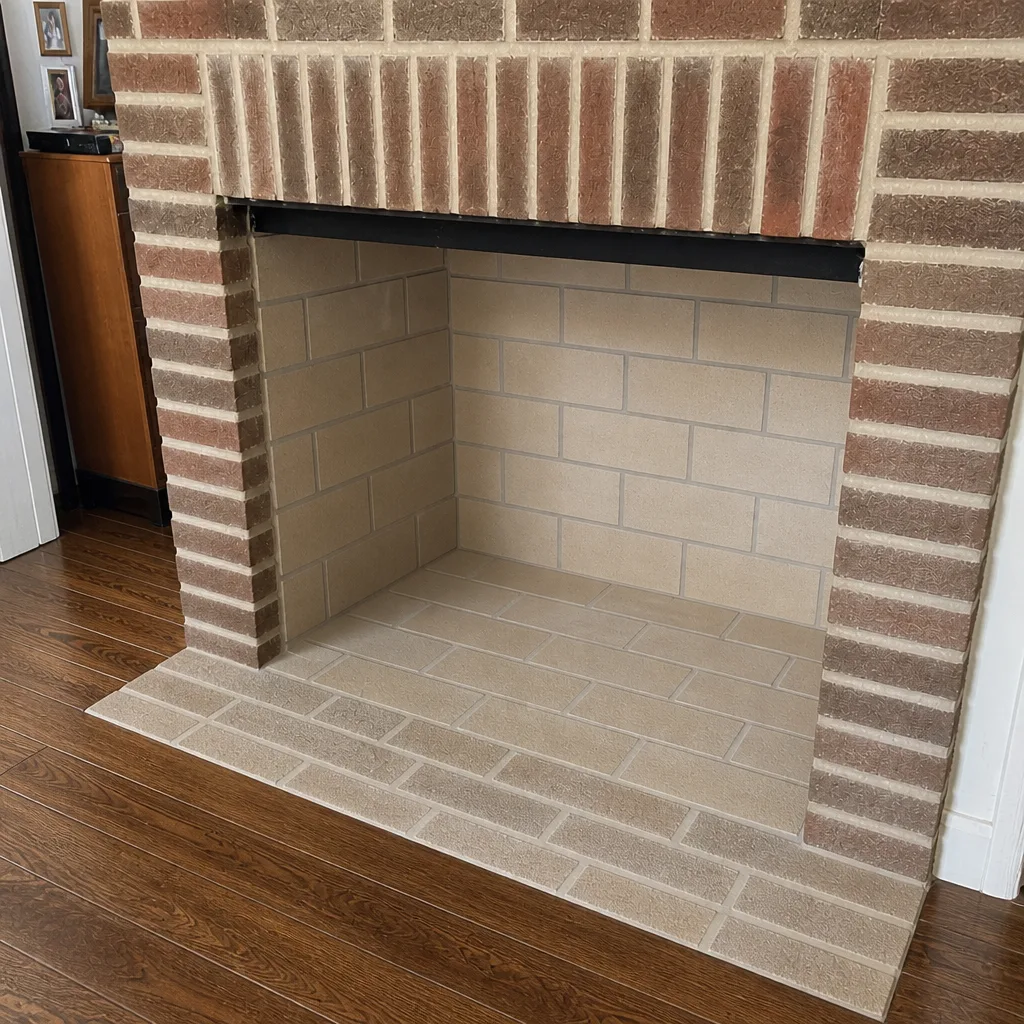
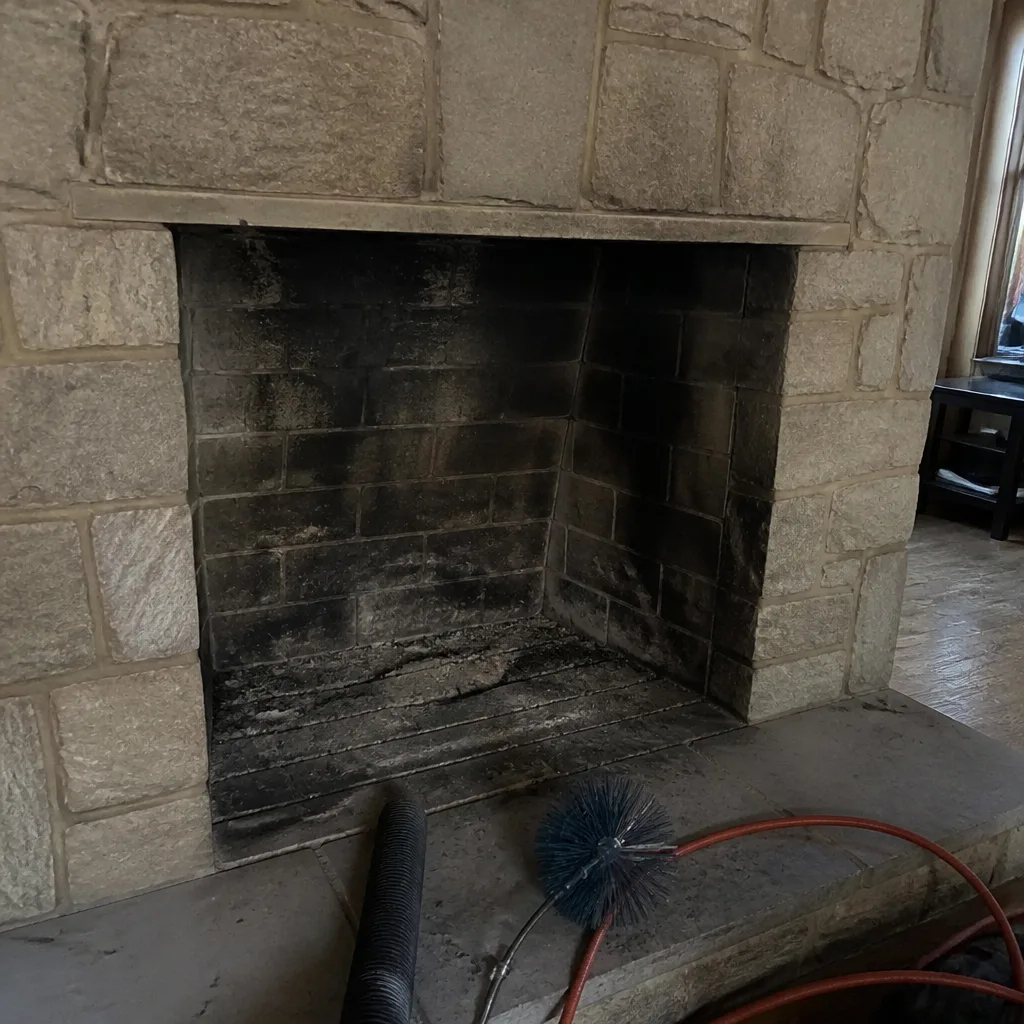
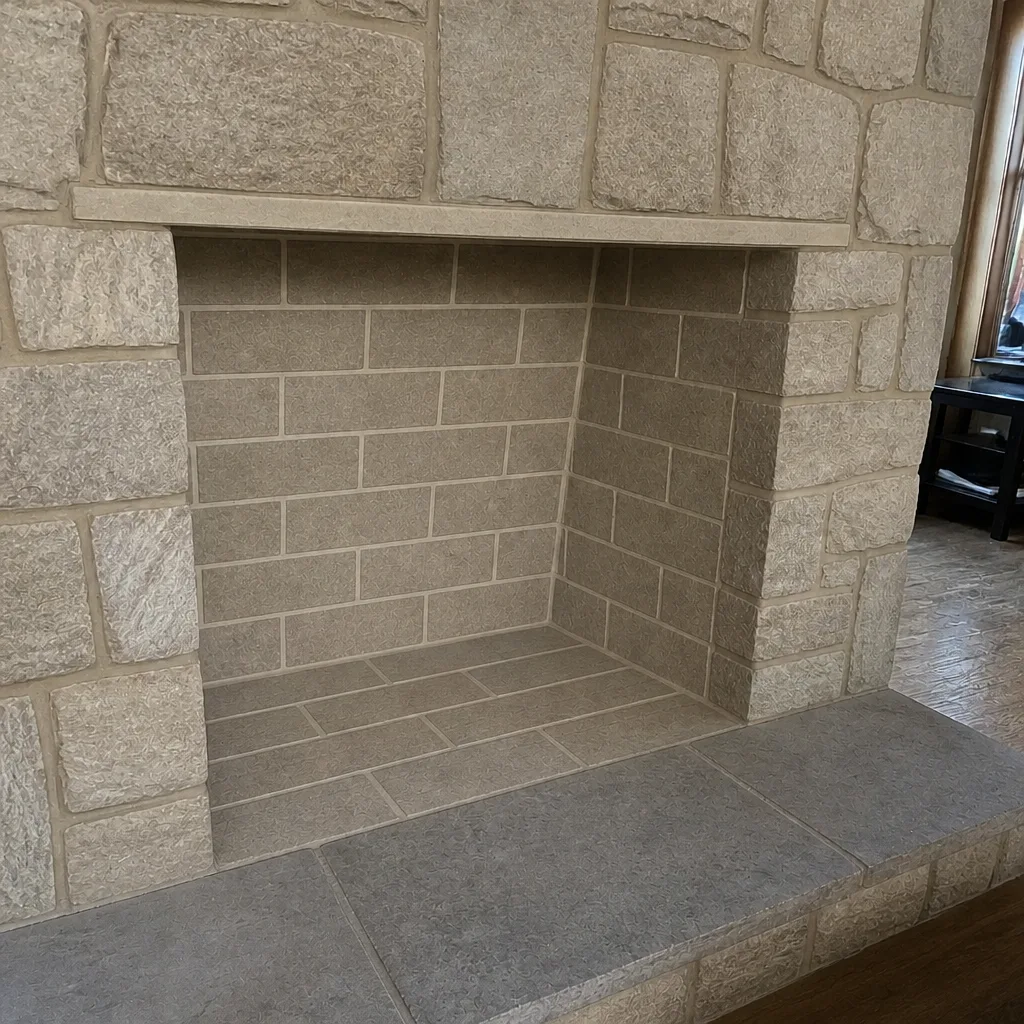
See the difference
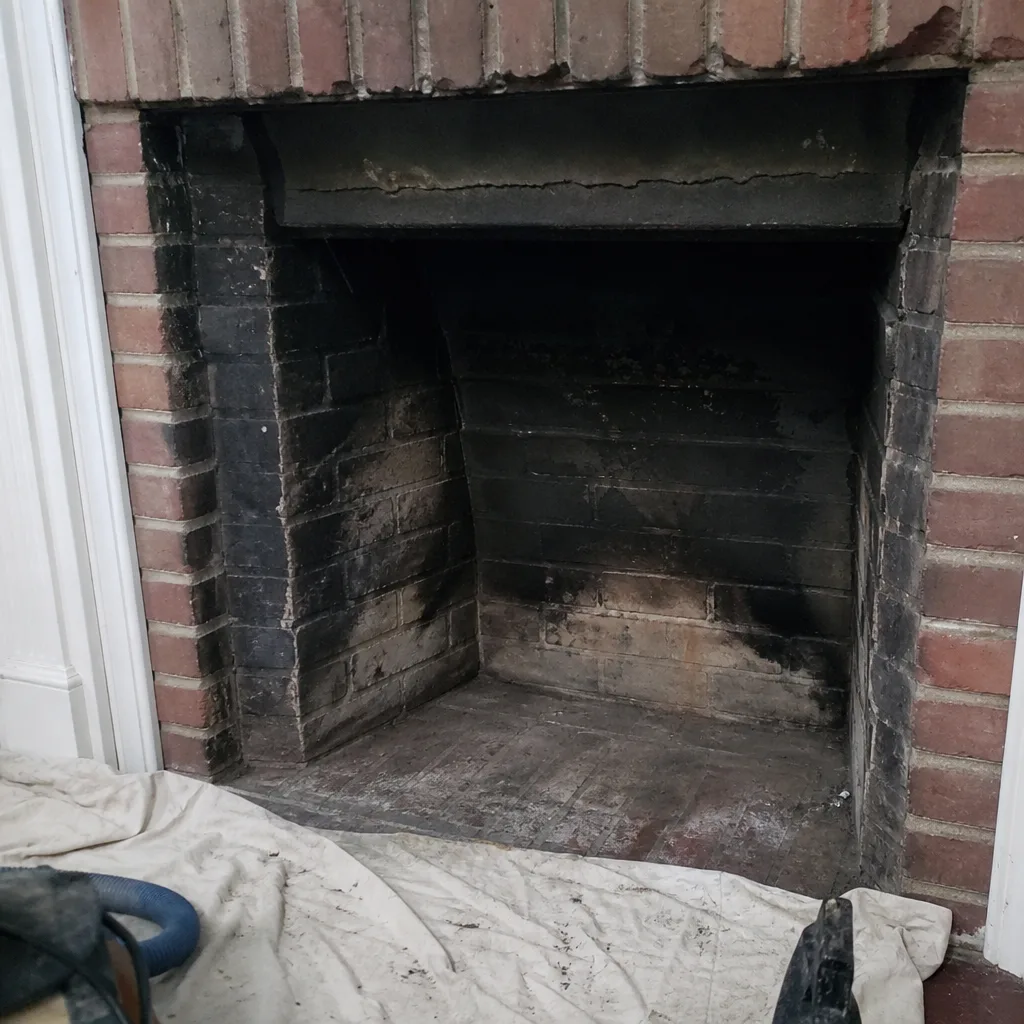 Before
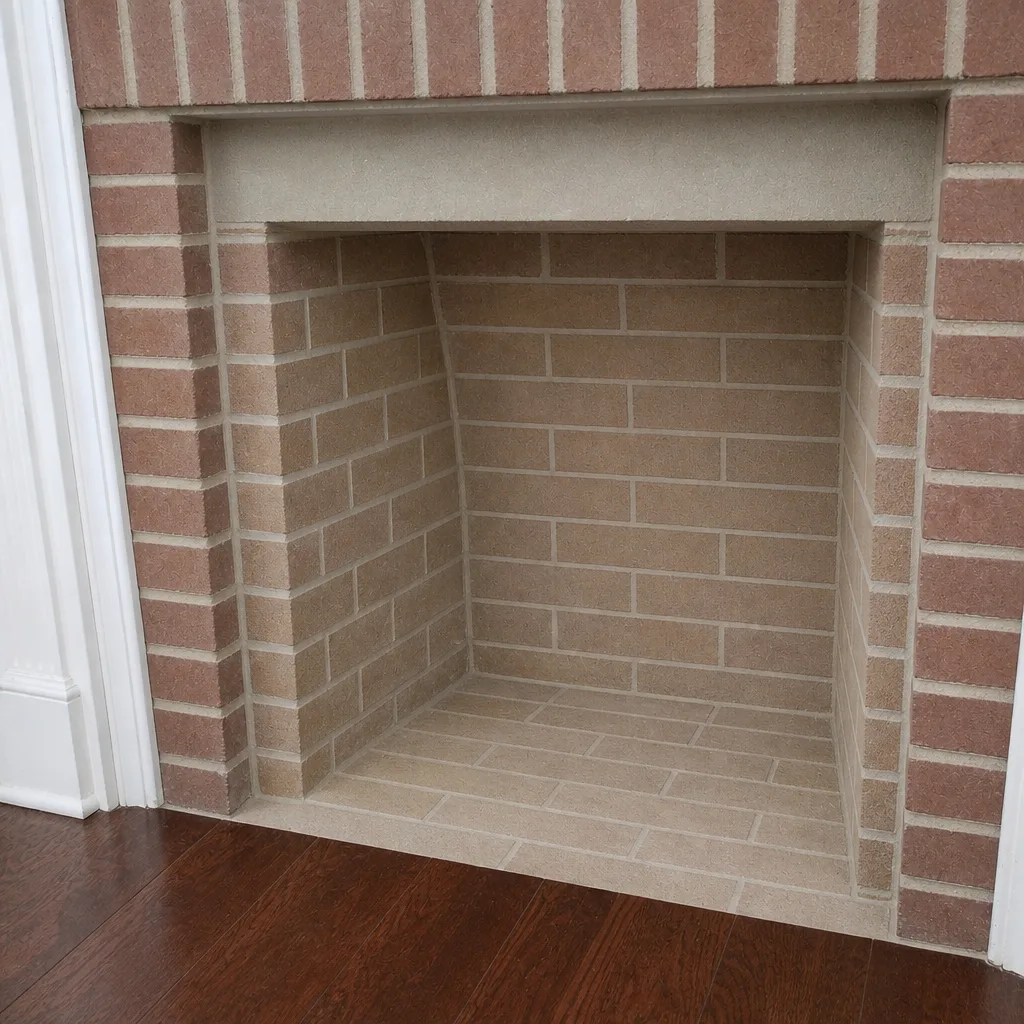 After
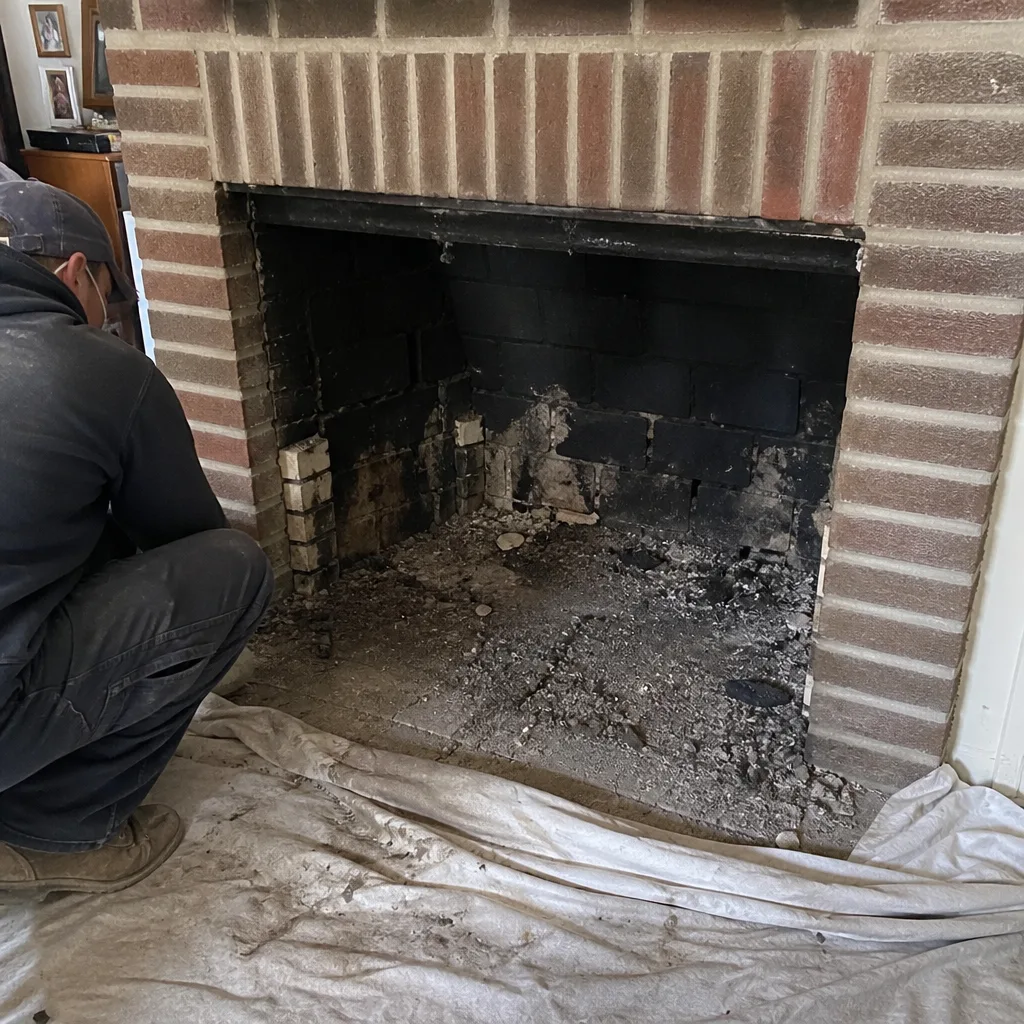 Before
 After
 Before
 After
When to Call a Professional
Some chimney questions are paperwork, and some are physical. Call for the physical ones. If you’ve never had the flue inspected, or the last inspection was years ago, a Level II with a camera is the right starting point. If you’re buying or selling a New Dorp property and the chimney history is unknown, get the inspection done before the sale moves forward. If you smell smoke in the house when the fireplace is burning, or a draft that’s reversed, or you’ve had a chimney fire, even a small one, the flue needs a professional look. And if a contractor has recommended a liner or masonry repair without showing you camera footage, get a second opinion that comes with evidence. Chimney Sweep New Dorp offers free estimates in New Dorp. Call (855) 726-7829 for yours. We answer 24/7. Fast dispatch from 7am to 7pm.
Frequently Asked Questions
No. Chimney cleaning and inspection are maintenance, and NYC does not require a permit for sweeping. The permit question is about repairs: relining a flue, structural masonry work, and connecting a new appliance generally do require a filing with the Department of Buildings. Call (855) 726-7829 and we’ll tell you which category your situation falls into, with a free estimate.
Generally yes. Installing or replacing a flue liner is a change to the venting system, and New York City typically treats it as permitted work that requires a filing and inspection. The specific provisions depend on your appliance type and building occupancy, so the right move is to ask for a written answer that cites the applicable code. Call (855) 726-7829 for an exact quote on the work, and we’ll walk through the filing question with you.
DOB holds the construction record: permits, plans, and sign-offs for any structural work, including flue liners and chimney repairs. FDNY records relate to fire code compliance and maintenance, particularly on mixed-use and commercial buildings. They’re separate systems, and a building can have a clean FDNY history with an unpermitted reline in its DOB record. Pull both before a purchase. Call (855) 726-7829 if you want us to check the physical system against those records.
No. NFPA 211 is a national technical standard, not NYC code, so nobody gets cited for violating it. It still matters because inspectors, insurance adjusters, and chimney professionals use it as the benchmark for a safe flue. Work that meets city code but falls short of the standard can still fail an inspection or raise an insurance question. Call (855) 726-7829 for an inspection that applies that standard and shows you the evidence.
An open permit or missing sign-off can hold up a closing until it’s resolved, and a buyer’s inspection that finds a repair not matching the DOB record can create renegotiation pressure. Resolution usually means paperwork, a re-inspection, and sometimes remediation. The cheaper path is to file correctly when the work is done. Call (855) 726-7829 before any repair begins and we’ll tell you what needs a permit and what doesn’t.
Once a year for a chimney in active use, plus a Level II camera inspection whenever the property changes hands, an appliance changes, or there’s been a chimney fire. New Dorp’s freeze-thaw winters are hard on masonry and crowns, so an annual check catches water damage while it’s still a small repair. Call (855) 726-7829 for a free estimate on your inspection.
The Bottom Line
The permit line is the thing to remember: cleaning is maintenance and never needs a permit, but relining, structural masonry repair, and new appliance connections generally do. Get that answer in writing before any repair starts, because an unpermitted chimney is a problem that waits quietly until a title search or a buyer’s inspection drags it into the light. Pull the DOB record, get a Level II inspection with camera evidence, and match what’s found against what’s filed. NFPA 211 isn’t city code, but it’s the standard your insurer and your buyer’s inspector will use. We see the paperwork problems at closing, and they’re avoidable. New Dorp homeowners can get a free estimate by calling (855) 726-7829. We answer 24/7. Fast dispatch from 7am to 7pm, Sunday through Friday.
Written by the team at Chimney Sweep New Dorp.